 how-to
Preparing for Your First GLP-1 Consultation
Last Updated: October 22, 2026
Quick Summary
A GLP-1 consultation is a medical appointment where a licensed clinician reviews your health history, current medications, and weight-loss goals before deciding whether a GLP-1 medication is appropriate for you. Prepare by bringing a written medication list, recent lab results, and written questions, and by being fully honest about your history.
- Expect your first visit to include intake, history review, a physical check, lab discussion, and a treatment conversation.
- Bring a written list of every prescription, supplement, and vitamin with doses and frequency.
- Photograph the front and back of every pill bottle on your phone before the visit.
- Do not fast or stop a prescribed medication on your own before the appointment.
- Seek urgent care for severe abdominal pain, especially if it radiates to your back.
Table of Contents
- Why the First GLP-1 Consultation Matters
- What to Expect at a GLP-1 Consultation
- Your GLP-1 Consultation Checklist: What to Bring
- Questions to Ask About GLP-1 Medication
- What to Do Before Your First GLP-1 Shot
- In-Person vs. Telehealth GLP-1 Consultations
- Contraindications, Side Effects, and When to Seek Urgent Care
- Conclusion: Book Your Consultation Today
- Frequently Asked Questions
Why the First GLP-1 Consultation Matters
A GLP-1 consultation is a medical appointment where a licensed clinician reviews your health history, current medications, and weight-loss goals before deciding whether a GLP-1 medication is appropriate for you. It is the step that separates a safe, supervised program from an online purchase with no oversight.
That distinction carries real weight. GLP-1 receptor agonists are prescription drugs that affect digestion, blood glucose, and appetite. They are not supplements you can start on a hunch. The first appointment is where a prescribing clinician screens for contraindications, sets a starting dose, and maps out monitoring. Skip it, and you lose the safety net that makes the medication workable.
At Ideal Weight Loss & Cosmetic Center, the team treats this visit as the foundation of the whole treatment plan. Below, this guide walks through exactly what to expect, what to bring, and the questions worth asking, so you leave the appointment with a clear plan instead of vague reassurance.
What to Expect at a GLP-1 Consultation
Most first visits follow a predictable arc: intake, history review, a physical check, lab discussion, and a treatment conversation. Expect the appointment to feel closer to a thorough primary care visit than a quick sales pitch. A clinician who rushes past your history is a red flag.
Medical History and Health Assessment
The clinician will ask about far more than your current weight. Expect questions about past weight-loss attempts, family history of thyroid or pancreatic disease, prior surgeries, and any history of disordered eating. Personal medical history drives the eligibility decision, so answer fully and honestly.
A physical examination usually follows. Blood pressure, heart rate, and weight are standard. The clinician may also check for signs tied to metabolic health.
Baseline Labs and Test Results
Baseline labs give the clinician a starting point for monitoring. Common tests include blood glucose or A1c, kidney and liver function, and a lipid panel. Bring any test results from the past year so the clinician can avoid duplicate orders.
If you have recent labs from another provider, say so at the start. Prior results often save time and money.
Your GLP-1 Consultation Checklist: What to Bring
Arriving prepared shortens the visit and improves the quality of the advice you get. A common mistake is showing up with nothing and trying to recall medication names from memory. The clinician then works from incomplete information, and the treatment plan suffers.

Most top-ranking guides tell you to bring a medication list. Few give you a printable checklist organized by category, and almost none pair it with patient-led questions. Use the checklist below as a one-page prep sheet you can print or save to your phone.
Documents and Records
- Photo ID and insurance card (front and back)
- A written list of every prescription medication, including dose and frequency
- All supplements, vitamins, and herbal products, with doses
- Recent lab or test results from the past 12 months, if available
- Names and dates of past weight-loss programs, medications, or surgeries
- Contact information for your primary care clinician and any specialists
Health and Lifestyle Snapshot
- A simple 3-day log of your current eating and activity habits
- Your current weight and height, if you track them at home
- Any history of thyroid, pancreatic, kidney, or liver conditions
- Personal or family history of medullary thyroid carcinoma or MEN 2
- A list of prior adverse reactions to medications
- Notes on sleep, stress, and alcohol use, since these affect treatment planning
Questions to Ask the Clinician
Bring written questions, because it is easy to forget them once the conversation starts. These cover the concerns patients raise most often:
- Which GLP-1 medication fits my health profile, and why?
- What is the starting dose, and how will it be increased over time?
- What side effects should I expect, and which ones warrant a call?
- How will the clinician monitor my progress between visits?
- What happens if I stop the medication?
- Does my insurance cover it, and what will I pay out of pocket?
- How often are follow-up appointments, and what do they involve?
- What should I do before my first shot?
What Not to Do
Do not fast or skip meals before the appointment unless the clinician instructs you to. Do not stop a prescribed medication on your own to "prepare." And do not rely on a verbal summary of your history when a written list takes five minutes to assemble. A prepared patient gets a more precise plan, and the visit runs on time.
Questions to Ask About GLP-1 Medication
The best consultations are two-way conversations. Bring written questions, because it is easy to forget them once the conversation starts. These cover the concerns patients raise most often:
- Which GLP-1 medication fits my health profile, and why?
- What is the starting dose, and how will it be increased over time?
- What side effects should I expect, and which ones warrant a call?
- How will the clinician monitor my progress between visits?
- What happens if I stop the medication?
- Does my insurance cover it, and what will I pay out of pocket?
- How often are follow-up appointments, and what do they involve?
- What should I do before my first shot?
Ask about cost directly. Pricing for GLP-1 programs varies by medication, dose, and coverage, so request a clear breakdown rather than a monthly estimate. For current pricing, check with Ideal Weight Loss & Cosmetic Center directly.
Book your consultation today →
What to Do Before Your First GLP-1 Shot
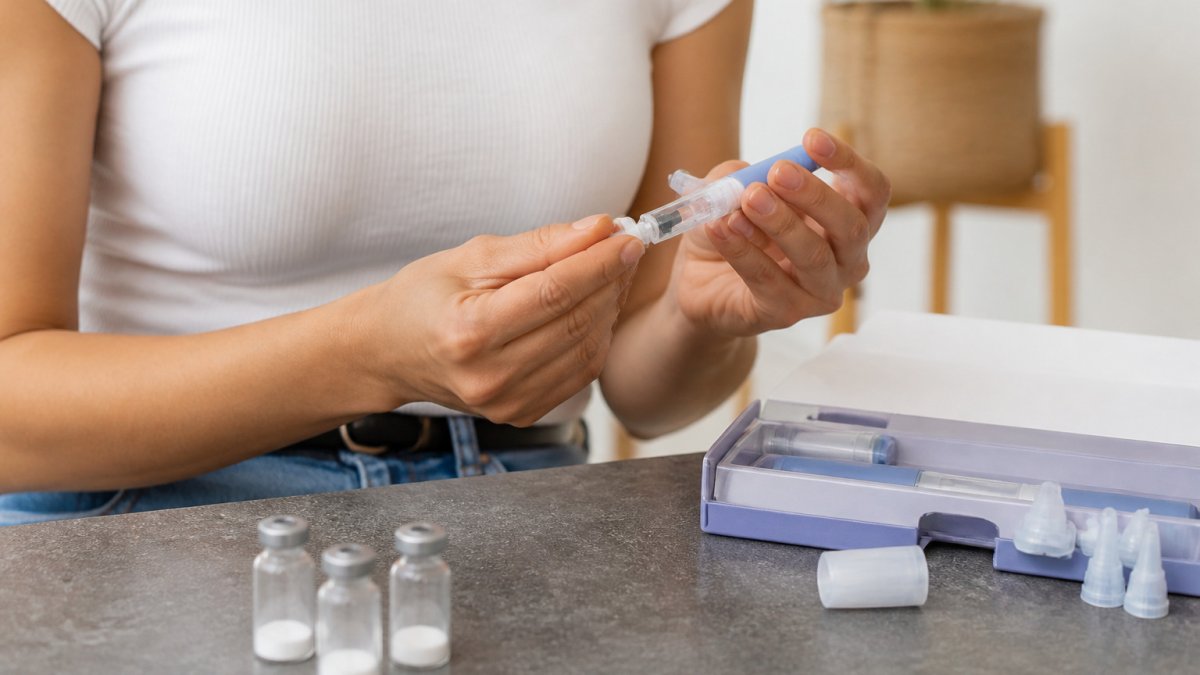
Preparation for the first injection is mostly about routine, not drama. The clinician or nurse will show you how to use the syringe or pen, where to inject, and how to rotate injection sites. Ask for a hands-on demonstration, then repeat it back.
A few practical steps help:
- Clean the injection site with an alcohol pad and let it dry
- Follow the storage instructions on the label exactly
- Keep a simple log of dose, date, and any side effects
- Eat smaller, more frequent meals and prioritize protein and fiber
- Drink enough water, especially in the first weeks
In-Person vs. Telehealth GLP-1 Consultations
Both formats can work, but they suit different needs. Telehealth is convenient for follow-ups, dose checks, and quick questions. It removes travel time and fits around work.
In-person visits allow a physical examination, hands-on injection training, and lab draws in one trip. For a first appointment, that combination is hard to beat, especially if you have never self-injected before.
The right choice depends on your history. If you have complex conditions, take multiple medications, or want a full assessment, an in-person visit gives the clinician more to work with. If you are established on treatment and stable, telehealth follow-ups are a reasonable option. Many programs blend both, and a legitimate service will be transparent about which visits require an office.
Contraindications, Side Effects, and When to Seek Urgent Care
GLP-1 medications are not appropriate for everyone. A clinician screens for contraindications during the consultation, including a personal or family history of medullary thyroid carcinoma or multiple endocrine neoplasia syndrome type 2, and a history of pancreatitis. Pregnancy and breastfeeding also change the picture. Be upfront about all of it.
Contraindications and Precautions
Absolute contraindications generally include a personal or family history of medullary thyroid carcinoma and MEN 2. Relative precautions include a history of pancreatitis, severe gastroparesis, and active gallbladder disease. The clinician will also review your medication list for interactions. Drugs that slow gastric emptying, such as some anticholinergics, can compound gastrointestinal effects. Insulin and sulfonylureas may need dose adjustment because GLP-1 medications lower blood glucose. If you take either, ask how your clinician plans to monitor and adjust the dose.
Common Side Effects
Common side effects include nausea, vomiting, diarrhea, and constipation, especially during dose escalation. Most ease as the body adjusts. Nutrition choices matter here: greasy foods and large meals tend to make gastrointestinal symptoms worse, while small frequent meals with adequate protein and fiber help. Hydration is equally important, particularly in the first weeks.
Warning Symptoms and Escalation Steps
Seek urgent care for severe or persistent abdominal pain, especially if it radiates to your back, which can signal pancreatitis. Other warning signs include signs of dehydration (dizziness, dark urine, rapid heart rate), severe vomiting that prevents you from keeping fluids down, and symptoms of gallbladder problems such as upper-right abdominal pain, fever, or jaundice. Do not push through symptoms that feel wrong. Call your clinician's office for guidance, and if symptoms are severe, go to an emergency department.
Conclusion: Book Your Consultation Today
The first GLP-1 consultation is where a supervised program begins, and preparation is what makes it count. Bring your medication list, your questions, and an honest account of your history. The clinician handles the rest.
If you are ready to start, Ideal Weight Loss & Cosmetic Center offers board-certified medical expertise, personalized treatment plans, and over two decades of experience guiding patients through medically supervised weight management. Book your consultation today and take the first step toward a plan built around your health.
Frequently Asked Questions
What should I bring to my first GLP-1 consultation?
Bring a list of all current medications and supplements, including doses, plus any recent lab or test results. Note your medical history, including past surgeries and family history of thyroid or pancreatic conditions. Write down your weight-loss goals and any previous weight-loss attempts. A completed GLP-1 consultation checklist helps the prescribing clinician assess eligibility and build an accurate treatment plan from the start.
What questions should I ask about GLP-1 medication?
Ask which GLP-1 receptor agonist the clinician recommends and why, what the starting dose and dose escalation schedule look like, and how side effects like nausea are managed. Ask about injection technique, medication storage, and the follow-up appointment schedule.
What should I do before my first GLP-1 shot?
Before your first injection, review the injection instructions with your clinician, wash your hands, and prepare the syringe and alcohol pad. Choose an injection site on the abdomen, thigh, or upper arm, rotating sites to reduce irritation. Keep your follow-up appointment for monitoring weight change and blood glucose.
What happens during a GLP-1 consultation?
A GLP-1 consultation typically includes a review of your medical history, current medications, and supplements, a health assessment, and a discussion of your weight-loss goals and treatment expectations. The prescribing clinician may order baseline labs, and outline the starting dose and monitoring plan. You leave with a clear treatment plan and next steps, or a referral if GLP-1 medication is not appropriate for you.