 how-to
Nutritional Strategies for GLP-1 Therapy: A How-To Guide
Table of Contents
- Understanding Nutritional Needs on GLP-1 Therapy
- What to Eat on GLP-1 Medication for Optimal Results
- Protein on GLP-1: Preserving Muscle While Losing Weight
- GLP-1 Nausea Food Tips: Managing Gastrointestinal Side Effects
- Meal Planning for GLP-1 Therapy: Building Your Weekly Strategy
- Micronutrient Adequacy and Supplementation Guidance
- Common Mistakes to Avoid on GLP-1 Therapy
- When to Seek Professional Guidance
- Frequently Asked Questions
Last Updated: October 20, 2026
Understanding Nutritional Needs on GLP-1 Therapy
GLP-1 medications work by slowing digestion and signaling fullness to the brain, which means your body processes food differently than before treatment.
When appetite drops, nutrient density becomes critical. At Ideal Weight Loss & Cosmetic Center, our medically supervised approach pairs GLP-1 medication with personalized nutrition guidance to ensure patients preserve muscle, maintain energy, and avoid deficiencies that derail long-term success.
The challenge most patients face: they reduce food intake without adjusting what they eat. That creates gaps in protein, fiber, vitamins, and minerals. This section covers the fundamentals of eating on GLP-1 so your body thrives, not just survives.
What to Eat on GLP-1 Medication for Optimal Results
Nutrient-Dense Foods and Portion Control
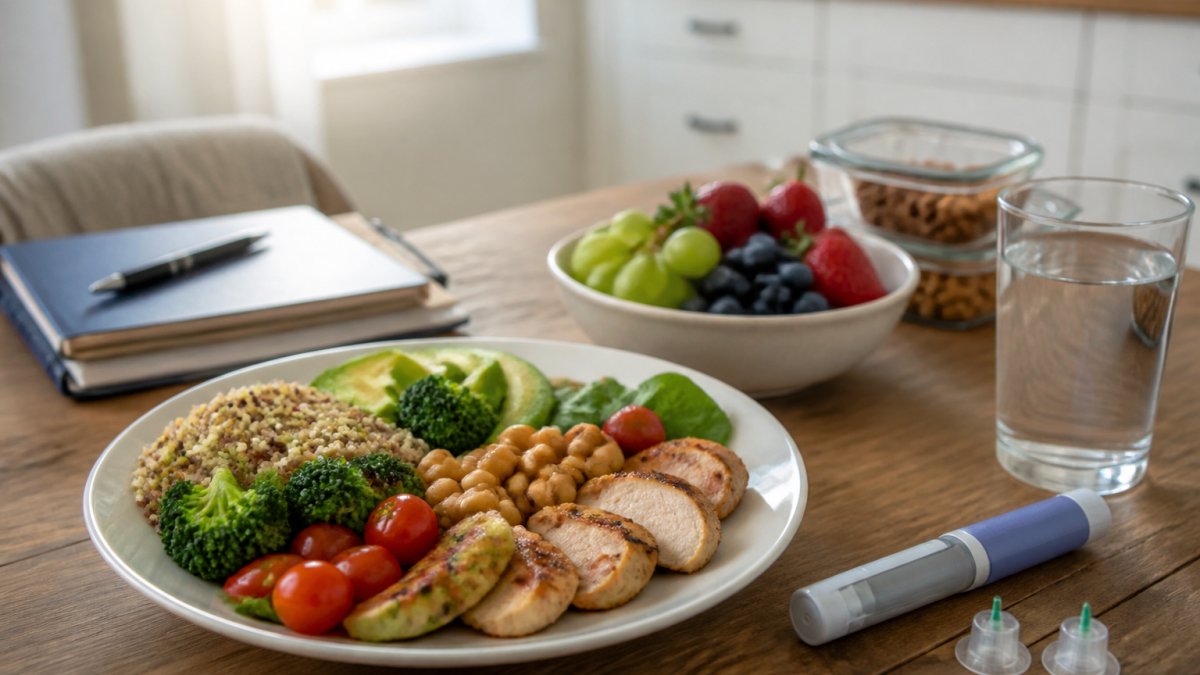
Nutrient-dense foods deliver maximum nutrition in smaller portions. On GLP-1 therapy, this principle matters more than ever because your appetite is naturally suppressed, but your body's need for essential nutrients hasn't changed.
Focus on these categories:
- Lean proteins: chicken breast, turkey, fish, eggs, Greek yogurt, cottage cheese
- Vegetables: broccoli, spinach, bell peppers, zucchini, Brussels sprouts, asparagus
- Whole grains: brown rice, quinoa, oats, whole wheat bread (in modest amounts)
- Healthy fats: olive oil, avocado, nuts, seeds (portion-controlled)
- Low-sugar fruits: berries, apples, citrus (measured servings)
Portion control shifts naturally on GLP-1 because satiety happens faster. Many patients find that 3-4 ounces of protein, a cup of vegetables, and a small starch serving satisfy them fully.
Foods to Limit or Avoid
High-fat foods cause problems on GLP-1 therapy. Delayed gastric emptying means fatty meals sit in your stomach longer, triggering nausea, bloating, and discomfort.
Limit or avoid:
- Fried foods: french fries, fried chicken, fried fish
- High-fat dairy: full-fat cheese, whole milk, heavy cream, butter-heavy sauces
- Processed meats: bacon, sausage, deli meats, fatty cuts of beef
- Desserts and sweets: cookies, cakes, ice cream, candy, sugary drinks
- Greasy restaurant meals: pizza, burgers, creamy pasta dishes
- Alcohol: slows digestion further and triggers nausea in many patients
These foods aren't forbidden forever, but during active GLP-1 therapy, they're counterproductive. Your body will tell you, nausea and discomfort follow within 30-60 minutes of eating them.
Protein on GLP-1: Preserving Muscle While Losing Weight
Protein Targets and High-Quality Sources
Protein becomes your anchor nutrient on GLP-1 therapy. As you lose weight, your body breaks down both fat and muscle for energy. Adequate protein intake signals your body to spare muscle tissue and prioritize fat loss instead.
Most patients on GLP-1 therapy need 80-100 grams of protein daily, though individual needs vary based on body weight and activity level. A practical target: aim for roughly 1.2-1.5 grams per kilogram of body weight per day.
High-quality protein sources deliver all essential amino acids:
- Fish and seafood: salmon, cod, shrimp, tuna (excellent omega-3 source)
- Poultry: skinless chicken breast, turkey breast
- Eggs: whole eggs or egg whites
- Dairy: Greek yogurt, cottage cheese, low-fat milk
- Plant-based: tofu, tempeh, lentils, chickpeas (combine with grains for complete amino acids)
Quality matters because your reduced appetite means you eat less total food. Cheap protein sources often contain fillers and additives. Choose whole foods and minimal-ingredient products.
Timing and Distribution Throughout the Day
Spreading protein across meals and snacks matters more on GLP-1 than on standard diets. Your appetite is suppressed, so you might skip meals or eat very little at certain times. Distributed protein intake ensures your muscles get steady amino acid availability throughout the day.
A practical eating pattern:
- Breakfast: 20-25 grams protein (eggs, Greek yogurt, or protein-rich smoothie)
- Mid-morning snack: 10-15 grams protein (cheese, nuts, or protein shake)
- Lunch: 25-30 grams protein (grilled chicken, fish, or tofu with vegetables)
- Afternoon snack: 10-15 grams protein (Greek yogurt, hard-boiled eggs, or protein bar)
- Dinner: 25-30 grams protein (lean meat, fish, or plant-based option with vegetables)
This pattern prevents muscle loss while working within reduced appetite. You're eating smaller amounts more frequently, which also stabilizes energy and prevents the nausea that comes from eating too much at once.
GLP-1 Nausea Food Tips: Managing Gastrointestinal Side Effects
Digestive-Friendly Foods and Meal Composition
Nausea and constipation are common GLP-1 side effects, especially in the first 4-8 weeks. Food choices directly influence symptom severity. Digestive-friendly eating reduces discomfort and helps your body adjust to the medication.
Gentle on digestion:
- Lean proteins: white fish, skinless chicken, turkey, tofu
- Soft vegetables: carrots, green beans, zucchini, sweet potato, peas (cooked, not raw)
- Low-fiber grains: white rice, plain pasta, white bread (temporarily)
- Broths and soups: bone broth, vegetable broth, light soups with soft ingredients
- Bland fruits: bananas, applesauce, canned peaches in juice
Harder to digest:
- Cruciferous vegetables: raw broccoli, cauliflower, cabbage (cook them instead)
- High-fiber foods: raw vegetables, whole grains, beans (introduce slowly)
- Spicy foods: trigger nausea in many patients
- Acidic foods: citrus, tomato-based dishes, vinegar
- Caffeine and carbonation: worsen nausea and bloating
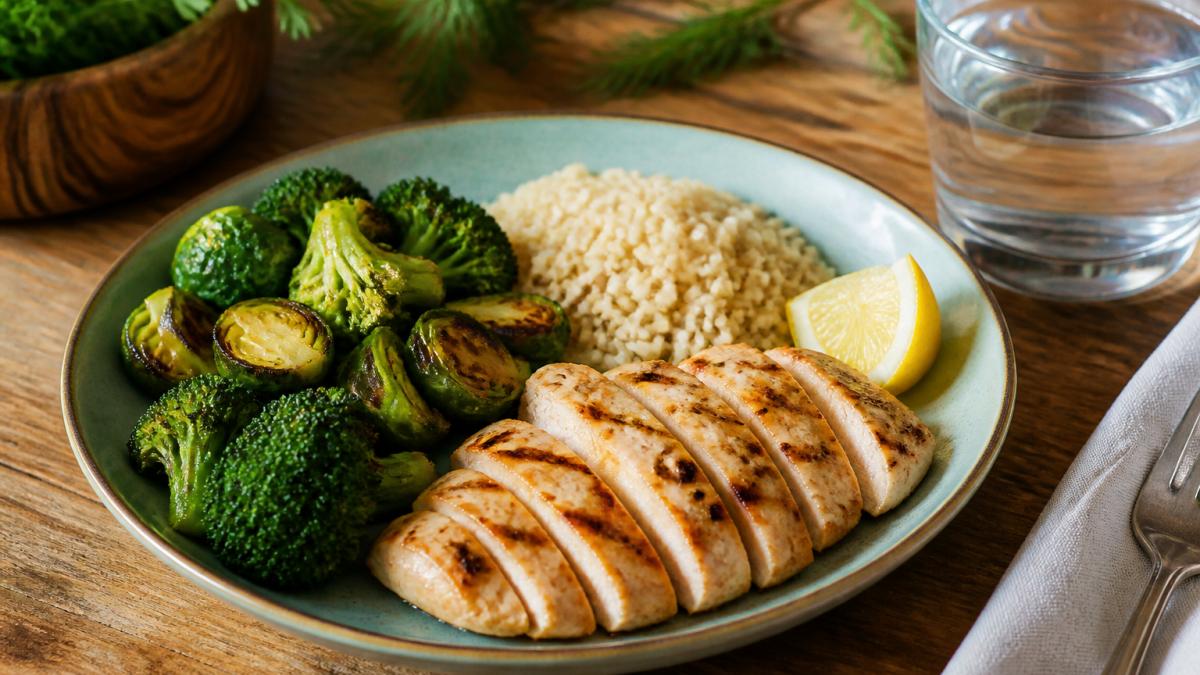
A practical meal example: grilled chicken breast, steamed carrots, white rice, and a small glass of water. Simple, protein-rich, easy to digest.
Hydration and Electrolyte Balance
Dehydration amplifies nausea and constipation on GLP-1 therapy. Many patients don't drink enough because appetite suppression extends to thirst signals. Deliberate hydration is essential.
Target 80-100 ounces of fluid daily, spread throughout the day:
- Water: the primary choice, sipped slowly
- Herbal tea: ginger tea naturally reduces nausea
- Broth: adds electrolytes and nutrients
- Low-sugar electrolyte drinks: for days with significant nausea or constipation
- Coconut water: natural electrolytes, use sparingly due to sugar content
Avoid sugary drinks, excessive caffeine, and alcohol. Sip fluids between meals rather than with meals to prevent feeling overly full.
Book your consultation today →
Electrolyte balance matters because reduced food intake means less sodium and potassium from food sources. If you experience dizziness, weakness, or muscle cramps, electrolyte supplementation may help. A healthcare provider can assess whether your electrolyte levels need support.
Meal Planning for GLP-1 Therapy: Building Your Weekly Strategy
Structuring Meals and Snacks for Appetite Reduction
Meal planning prevents poor food choices when appetite suppression hits. Many patients skip meals because they're not hungry, then overeat later or reach for convenient junk food. Structure prevents that pattern.
A simple weekly approach:
- Monday-Wednesday: rotate between 2-3 protein sources (chicken, fish, tofu)
- Thursday-Friday: introduce variety with different proteins
- Weekend: batch-cook proteins and vegetables for the coming week
- Daily snacks: prepare 3-4 grab-and-go protein options
This removes decision fatigue. You're not figuring out what to eat each day, you have a plan. Consistency also helps your body adjust to GLP-1 side effects because you're eating predictable, gentle foods.
| Meal | Protein | Vegetable | Starch | Fluid |
|---|---|---|---|---|
| Breakfast | 2 eggs | none | 1 slice whole wheat toast | 8 oz water |
| Snack | Greek yogurt (6 oz) | none | none | 4 oz water |
| Lunch | Grilled chicken (4 oz) | Steamed broccoli (1 cup) | Brown rice (1/3 cup) | 8 oz water |
| Snack | Hard-boiled eggs (2) | none | none | 4 oz water |
| Dinner | Baked fish (4 oz) | Roasted carrots (1 cup) | Sweet potato (1/3 cup) | 8 oz water |
Practical Shopping and Preparation Tips
Preparation determines success. Patients who batch-cook proteins and vegetables stick to their nutrition plans. Those who shop without a list or cook daily often make impulsive, less nutritious choices.
Shopping strategy:
- Protein: buy in bulk, portion into 4-ounce servings, freeze
- Vegetables: choose pre-cut options to save time, or cut and store in containers
- Grains: buy small quantities since portions are modest on GLP-1
- Pantry staples: olive oil, salt, pepper, garlic, herbs, low-sodium broth
- Avoid: processed foods, high-fat snacks, sugary items
Preparation tips:
- Sunday prep: grill 2-3 proteins, roast 3-4 vegetables, cook a batch of brown rice
- Storage: use glass containers with lids for 4-5 days of ready-to-eat meals
- Freezing: proteins and cooked vegetables freeze well; reheat gently
- Seasoning: use herbs and spices to make simple foods taste good without added fat
Micronutrient Adequacy and Supplementation Guidance
Reduced food intake on GLP-1 therapy creates risk for micronutrient deficiencies. Vitamin B12, iron, calcium, and vitamin D are common concerns because GLP-1 slows stomach acid production and reduces overall nutrient absorption (pubmed.ncbi.nlm.nih.gov).
Common deficiency risks:
- Vitamin B12: needed for energy and nerve function; absorption decreases with GLP-1
- Iron: especially critical for women; reduced food intake lowers intake
- Calcium: bone health matters during weight loss; dairy intake often drops
- Vitamin D: works with calcium; many people are deficient already
- Folate: supports cellular function; found in vegetables that may trigger nausea initially
A multivitamin designed for weight loss or bariatric patients covers most bases. Look for formulations that include B12, iron, calcium, and vitamin D in bioavailable forms. Discuss supplementation with your healthcare provider because individual needs vary based on your baseline health, medications, and food tolerances.
Common Mistakes to Avoid on GLP-1 Therapy
Eating too little. Appetite suppression is powerful, but undereating slows metabolism and increases muscle loss.
Skipping meals. Missing breakfast or lunch often leads to poor choices later or overeating at dinner. Structure prevents this.
Ignoring nausea signals. If a food causes nausea, stop eating it. Your body is telling you something.
Neglecting hydration. Thirst signals are suppressed on GLP-1. Drink deliberately, not just when thirsty.
Stopping GLP-1 without a plan. Many patients regain weight after stopping because they haven't built sustainable eating habits.
When to Seek Professional Guidance
Nutritional strategies GLP-1 therapy work best with professional support. Schedule a consultation with your healthcare provider if:
- Nausea persists beyond 4-8 weeks despite dietary adjustments
- You experience fatigue, weakness, or dizziness (possible deficiency)
- You're losing weight faster than 2-3 pounds per week (may indicate undereating)
- You have existing medical conditions like diabetes or kidney disease (needs personalized adjustments)
- You're struggling with meal planning or hitting protein targets
A registered dietitian familiar with GLP-1 therapy can create a personalized plan tailored to your food preferences, medical history, and goals. At Ideal Weight Loss & Cosmetic Center, our team works with board-certified physician Dr. Gina Nichols to ensure your nutrition plan aligns with your GLP-1 therapy and supports lasting results.
GLP-1 therapy offers real opportunity for sustainable weight loss, but success depends on nutrition choices that support your body's changing needs. Nutrient-dense foods, adequate protein, digestive-friendly meals, and consistent hydration form the foundation.
Frequently Asked Questions
What should I eat while taking a GLP-1 medication?
Focus on nutrient-dense foods including lean proteins (chicken, fish, eggs), non-starchy vegetables (broccoli, spinach, bell peppers), whole grains, and healthy fats. Avoid high-fat meals, fried foods, and foods high in added sugars, which can worsen nausea and digestive symptoms. Smaller, frequent meals work better than large portions because GLP-1 therapy reduces appetite. Your healthcare provider or dietitian can create a personalized nutrition plan tailored to your medication dose and individual tolerance.
How much protein should I aim for on GLP-1 therapy?
Most guidelines recommend 80-120 grams of protein daily, or approximately 1.2-1.5 g/kg of your body weight per day, to preserve muscle mass during weight loss. Distribute protein evenly across meals (25-35 grams per meal) to support muscle preservation and satiety. High-quality protein sources include chicken, fish, Greek yogurt, cottage cheese, legumes, and lean beef. If you struggle to meet targets through food alone, a protein supplement can help, but discuss this with your healthcare provider first.
What foods can help reduce nausea on GLP-1 medications?
Eat bland, easily digestible foods like crackers, toast, rice, applesauce, and clear broths. Ginger tea and peppermint can soothe the stomach. Avoid greasy, spicy, and high-fat foods, which trigger nausea. Stay hydrated with water, electrolyte drinks, or herbal tea. Eat slowly and in smaller portions. If nausea persists despite dietary adjustments, contact your healthcare provider, they may adjust your medication dose or recommend additional support.
How can I prevent constipation while taking a GLP-1 medication?
Increase dietary fiber gradually through vegetables, whole grains, and legumes (aim for 25-30 grams daily), drink at least 80-100 ounces of water daily, and stay physically active. GLP-1 medications slow digestion, making constipation common. If fiber and hydration don't resolve the issue, your healthcare provider may recommend a stool softener or other interventions. Avoid sudden large increases in fiber, which can worsen bloating; increase gradually over 1-2 weeks.