 listicle
Weight Loss Clinic: Complete Guide to Medical Options
Table of Contents
- What Makes a Medical Weight Loss Clinic Different
- Medical Weight Loss Programs Cost and What Affects Pricing
- Understanding GLP-1 Prescription Requirements for Weight Loss
- Insurance Coverage for Weight Loss Medication Explained
- Personalized Assessment and Body Composition Analysis
- Bariatric Surgery and Endoscopic Options When Needed
- Long-Term Weight Maintenance and Post-Program Support
- Conclusion
- Frequently Asked Questions
Last Updated: August 15, 2026
What Makes a Medical Weight Loss Clinic Different
A medical weight loss clinic differs fundamentally from commercial diet programs because it operates under clinical oversight from qualified physicians and healthcare providers. Rather than relying on generic meal plans or willpower alone, a weight loss clinic integrates medical expertise, personalized assessment, and evidence-based treatment protocols to address the root causes of weight gain, including metabolic dysfunction, hormonal imbalances, and underlying health conditions.

Obesity is increasingly recognized as a metabolic disease, not a personal failure. Research from the American Medical Association's obesity treatment guidelines emphasizes that sustainable weight loss requires medical oversight, not just calorie restriction. Medical weight loss clinics order lab work, assess body composition, evaluate medication interactions, and prescribe evidence-based treatments, including GLP-1 medications, hormone optimization, and nutritional strategies tailored to each patient's physiology. A board-certified physician oversees the entire process, adjusting protocols based on how the patient's body responds.
This clinical foundation changes outcomes. Patients who attempt weight loss through willpower alone often regain weight because they haven't addressed the metabolic and hormonal factors driving their appetite and metabolism. A medical weight loss clinic provides the tools to reset these systems, not just restrict calories, resulting in more sustainable weight loss and better long-term maintenance.
Medical Weight Loss Programs Cost and What Affects Pricing
Medical weight loss programs vary significantly in cost depending on the treatment approach, whether medications are involved, and how extensively the program includes nutrition counseling, behavioral support, and follow-up visits. Understanding what factors drive costs helps you evaluate what makes sense for your situation.
Primary cost drivers include the type of program, whether prescription medications like GLP-1 are included, the frequency and duration of clinical visits, and whether the program covers body composition analysis, lab work, and ongoing nutritional guidance. Programs that include GLP-1 medications typically cost more than programs using lifestyle modification alone, but they also deliver measurably different results for many patients.
Insurance coverage plays a major role in what you'll actually pay out of pocket. Some insurance plans cover portions of medical weight loss programs, particularly if they include medically necessary components like lab work or if you have weight-related comorbidities such as diabetes or hypertension. However, coverage varies widely by plan, employer, and state regulations.
When evaluating program costs, ask clinics directly about their pricing structure. Reputable medical weight loss clinics provide transparent breakdowns of what's included, whether that's initial assessment, weekly visits, medication costs, lab work, or ongoing support. For specific pricing from Ideal Weight Loss & Cosmetic Center, contact the clinic directly to discuss your individual needs and insurance situation.
Understanding GLP-1 Prescription Requirements for Weight Loss
GLP-1 medications, such as Wegovy and Zepbound, have become central to modern medical weight loss because they work on appetite regulation and metabolic pathways in the brain, reducing hunger signals and increasing feelings of fullness. This physiological approach explains why many patients experience significant weight loss when using these medications alongside lifestyle changes.
To receive a GLP-1 prescription for weight loss, you need a clinical evaluation from a qualified healthcare provider, typically a physician, nurse practitioner, or physician assistant with prescribing authority. This evaluation includes a review of your medical history, current medications, and any conditions that might contraindicate GLP-1 use, such as certain thyroid cancers or pancreatitis history.
The FDA approves GLP-1 medications for weight management in patients with a body mass index of 30 or higher, or those with a BMI of 27 or higher who also have weight-related health conditions like type 2 diabetes, hypertension, or cardiovascular disease. Your healthcare provider will assess whether you meet these criteria and whether GLP-1 is appropriate for your specific situation.
According to FDA safety monitoring data on GLP-1 medications, these medications have been used safely in diabetes management for years and are now approved for weight loss with careful medical oversight. Like all medications, they carry potential side effects, nausea, vomiting, and constipation are most common, particularly when first starting, but serious complications are rare when prescribed and monitored appropriately.
The prescription process typically involves an initial consultation where the provider assesses your candidacy, discusses potential side effects and benefits, and establishes a monitoring plan. Once prescribed, GLP-1 medications require ongoing follow-up visits to evaluate your response, adjust dosing if needed, and monitor for side effects.
Insurance Coverage for Weight Loss Medication Explained
Whether your insurance covers weight loss medications depends on your specific plan's benefits, your employer's coverage decisions, your state's insurance regulations, and whether you have weight-related health conditions that make the medication medically necessary rather than elective.
Most major insurance plans now cover GLP-1 medications when prescribed for type 2 diabetes management. However, coverage for weight loss specifically, without an accompanying diabetes diagnosis, varies significantly. Some plans cover GLP-1 for weight management if you have other weight-related conditions like hypertension or sleep apnea. Other plans do not cover weight loss medications at all.
To determine your coverage, contact your insurance company directly and ask whether they cover GLP-1 medications for weight loss. Provide your specific diagnosis and ask about any prior authorization requirements, copay amounts, and whether there are quantity limits or step-therapy requirements.
Many clinics have staff who specialize in insurance verification. If your plan initially denies coverage, a clinic familiar with insurance appeals can often resubmit with additional clinical documentation showing medical necessity. For patients whose insurance doesn't cover GLP-1 medications, some clinics offer cash-pay options at reduced rates or work with pharmaceutical assistance programs that can lower out-of-pocket costs.
Personalized Assessment and Body Composition Analysis
An effective medical weight loss program begins with comprehensive assessment, far more detailed than stepping on a scale. A personalized assessment evaluates your metabolic health, body composition, hormone levels, and any underlying conditions affecting your weight, allowing your healthcare provider to design a treatment plan specifically matched to your physiology.
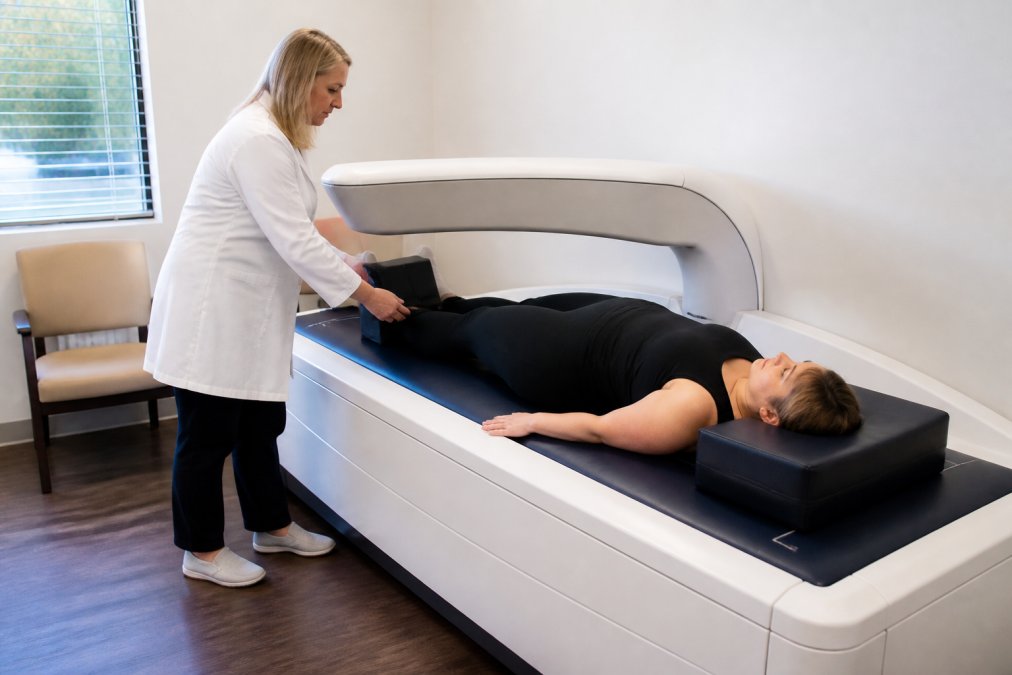
Body composition analysis measures not just how much you weigh, but what that weight consists of: muscle mass, fat mass, bone density, and water distribution. Two people at the same weight can have vastly different body compositions and different health risks. Someone with high muscle mass and low body fat is metabolically healthier than someone with the same weight but high body fat and low muscle. Body composition analysis provides actionable information that weight alone cannot.
Book your consultation today →
Common body composition assessment methods include DEXA scans (dual-energy X-ray absorptiometry), bioimpedance analysis, and in some cases, hydrostatic weighing. Your medical weight loss clinic will recommend the approach that fits your situation and provides the baseline data needed to track progress meaningfully.
A thorough assessment also includes metabolic testing, measuring your resting metabolic rate to understand how many calories your body burns at rest. This is critical because metabolic rate varies significantly between individuals and can be suppressed by previous dieting. Knowing your actual metabolic rate allows your nutritionist to design a nutrition plan that's realistic and sustainable.
Hormone evaluation is another essential component. Thyroid disorders, cortisol imbalances, insulin resistance, and sex hormone imbalances all affect weight management. A medical weight loss clinic orders appropriate lab work to identify these issues so they can be addressed directly through medication, supplementation, or lifestyle changes.
Bariatric Surgery and Endoscopic Options When Needed
For patients who have not achieved adequate weight loss through medical management alone, bariatric surgery and newer endoscopic procedures offer additional options. These are not first-line treatments; they're reserved for situations where medical weight loss programs have been tried and results are insufficient, or where the patient's health situation demands more rapid weight loss.
Bariatric surgery works by reducing the amount of food the stomach can hold, bypassing portions of the digestive system to reduce calorie absorption, or both. Common procedures include gastric bypass, gastric sleeve, and lap-band surgery.
Endoscopic procedures represent a newer middle ground between medical management and surgery. These minimally invasive techniques, such as endoscopic sleeve gastroplasty or intragastric balloon placement, reduce stomach volume without requiring traditional surgery. Recovery is faster and risks are lower than surgical approaches, though effectiveness varies.
According to the American Society of Metabolic and Bariatric Surgeons guidelines, candidates typically have a BMI over 40, or a BMI over 35 with weight-related health conditions, and have documented attempts at medical weight loss. Bariatric and endoscopic procedures work best when combined with ongoing medical management, nutrition counseling, and behavioral support. Surgery alone doesn't guarantee long-term success.
Long-Term Weight Maintenance and Post-Program Support
The hardest part of weight loss isn't losing the weight, it's keeping it off. Most people who lose weight through any method regain some or all of it within 1-2 years without ongoing support. This is why the best medical weight loss programs don't end when you reach your goal weight. They transition into a maintenance phase with continued clinical oversight, periodic assessments, and support systems to prevent regain.
Effective maintenance programs include periodic body composition reassessment to catch weight regain early, continued nutrition counseling to address changing life circumstances, and ongoing medication management if GLP-1 or other medications are part of your plan. Some programs include support groups or wellness coaching.
A common question is what happens when you stop taking GLP-1 medications. Some patients regain weight after stopping, while others maintain their loss. The difference typically comes down to whether the underlying lifestyle changes, eating patterns, activity level, and stress management were truly established during the active weight loss phase.
Ask any weight loss clinic about their post-program support structure before enrolling. How long do they monitor you after you reach your goal? What's the cost of ongoing visits? Do they offer group support or coaching? These details matter more than the initial weight loss phase because they determine whether your results last.
Conclusion
Choosing a medical weight loss clinic represents a commitment to addressing obesity as a health condition requiring professional oversight, not a personal failing requiring willpower alone. The most effective clinics combine board-certified medical expertise with personalized assessment, evidence-based treatment options including GLP-1 medications, and strong post-program support to ensure lasting results.
Ideal Weight Loss & Cosmetic Center, led by board-certified physician Dr. Gina Nichols with over two decades of experience, provides exactly this integrated approach. The clinic offers personalized treatment plans tailored to your unique metabolic and hormonal profile, GLP-1 medication management with clinical monitoring, hormone optimization for men and women, and non-surgical body contouring to address stubborn fat deposits. By combining medical expertise with comprehensive support, Ideal Weight Loss & Cosmetic Center helps patients achieve not just weight loss, but lasting health improvements and regained confidence.
Book your consultation today to discuss which approach, medical management, GLP-1 therapy, hormone optimization, or a combination, aligns with your health goals and situation.
Frequently Asked Questions
What is the difference between a medical weight loss clinic and a commercial diet program?
A medical weight loss clinic operates under the supervision of a board-certified physician or obesity medicine specialist who can order diagnostic tests, prescribe medications like GLP-1 injectables, and monitor your metabolic health. Commercial diet programs typically focus on meal plans or behavioral coaching without prescription medications or clinical oversight. Medical clinics address underlying metabolic conditions, thyroid disorders, hormonal imbalances, diabetes, that may be driving weight gain, whereas commercial programs treat weight loss as a standalone issue.
What kind of doctor prescribes GLP-1 medications for weight loss?
GLP-1 medications for weight loss can be prescribed by board-certified physicians, endocrinologists, obesity medicine specialists, nurse practitioners, and physician assistants with appropriate training and credentials. The prescriber must evaluate your medical history, metabolic health, and any contraindications before starting therapy. Some clinics require an in-person consultation before issuing a prescription, while others may offer telehealth evaluations. Always verify that your prescriber is licensed and board-certified in their specialty.
How long can you be prescribed GLP-1 medications for weight loss?
GLP-1 medications like Wegovy and Zepbound are approved for long-term use in patients with obesity or overweight with related conditions. Many patients continue treatment for 6 months to several years, depending on their progress, tolerance, and clinical response. Your prescriber will monitor you regularly through follow-up visits to assess effectiveness and any side effects. Some patients maintain results indefinitely with ongoing medication, while others transition to lifestyle management alone. The duration is individualized based on your metabolic health and goals.
Does insurance typically cover medical weight loss programs?
Insurance coverage for medical weight loss programs varies significantly by plan, carrier, and whether the program includes prescription medications. Many insurers cover GLP-1 medications if medically necessary (such as for diabetes management or obesity with related conditions like hypertension), but coverage for the program itself, consultations, nutrition counseling, body composition analysis, depends on your specific policy. Some plans require documentation of failed weight loss attempts or a BMI threshold before approval. Contact your insurance company directly or ask your clinic's billing team to verify coverage and out-of-pocket costs before starting treatment.