 listicle
Top 10 Benefits of Non-Surgical Body Sculpting
Table of Contents
- 1. Targeted Fat Reduction Without Surgery
- 2. No Downtime and a Favorable Non-Invasive Fat Reduction Recovery Time
- 3. Skin Tightening and Collagen Stimulation for Firmer Contours
- 4. Muscle Toning and Body Composition Improvement
- 5. Natural-Looking, Gradual Results That Avoid the Surgical Look
- 6. How Long Do Body Sculpting Results Last?
- 7. Non-Surgical Body Contouring Side Effects and Safety Profile
- 8. Customizable Treatment Plans and Anesthesia-Free Comfort
- 9. A Supportive Alternative to Surgery for the Right Candidate
- 10. Confidence That Comes From Measurable, Personalized Progress
- Frequently Asked Questions
Last Updated: September 23, 2026
1. Targeted Fat Reduction Without Surgery
Non-surgical body sculpting is a group of office-based treatments that reduce stubborn fat pockets without incisions, stitches, or general anesthesia. The appeal is simple: spot reduction through diet and exercise alone rarely works on specific areas, and many adults want a middle path between doing nothing and going under the knife.
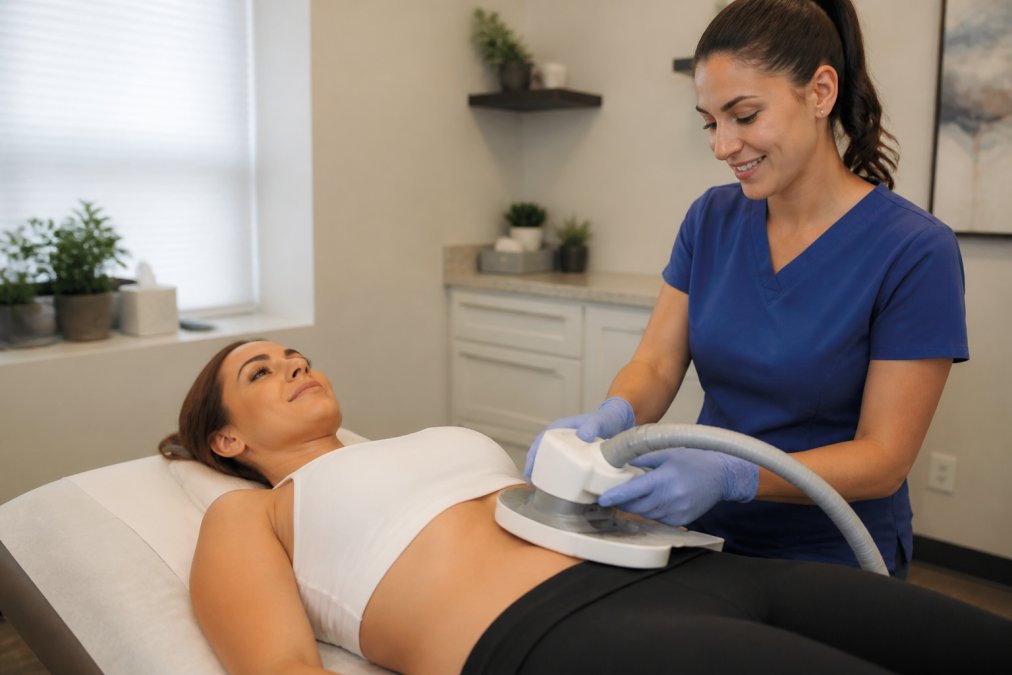
How Cryolipolysis and Laser Technology Destroy Fat Cells
Most energy-based devices work by damaging subcutaneous fat cells in a targeted area. Cryolipolysis cools fat cells to a temperature that triggers their breakdown, while laser and radiofrequency platforms raise tissue temperature to achieve a similar effect. In both cases, the body clears the disrupted cells through normal metabolic and lymphatic drainage processes over the following weeks. Because fat cells in the treated area are destroyed rather than merely shrunk, the reduction tends to hold, provided weight stays stable.
2. No Downtime and a Favorable Non-Invasive Fat Reduction Recovery Time
The non-invasive fat reduction recovery time is typically measured in hours, not weeks. Most patients return to work, drive themselves home, and resume normal activity the same day. There are no incisions to manage and no general anesthesia hangover. What most articles skip is what you should actually do during that window, and that protocol is what protects your results.
What to Expect in the First 24 to 48 Hours
- Mild redness, tenderness, or numbness in the treated area
- Occasional temporary swelling or firmness
- A sensation of deep warmth or, with cryolipolysis, brief tingling as tissue rewarms
- No restriction on showering or light exercise for most patients
A common mistake is treating the first day like a recovery day. Unless a provider says otherwise, movement is fine and often encouraged.
Post-Treatment Care Protocol: What to Do After a Session
Most practitioners find that the first two weeks after treatment do more to shape the final result than the session itself, because that is when the body clears disrupted fat cells through the lymphatic system. A practical protocol looks like this:
First 24 hours
- Drink more water than usual, hydration supports lymphatic drainage
- Take a 20- to 30-minute walk; light movement helps circulation without stressing treated tissue
- Skip alcohol and heavy, high-sodium meals, which can amplify swelling
- Apply a cold pack briefly if an area feels warm or tender (follow provider instructions for cryolipolysis sites, which are already cooled)
Days 2 through 7
- Resume normal exercise, including resistance training, unless the provider says otherwise
- Gentle massage of the treated area, if cleared by your provider, may help move lymphatic fluid
- Keep the area clean and moisturized; avoid harsh scrubs or exfoliants over treated skin
- Note any change in sensation, most numbness resolves within days to a few weeks
Weeks 2 through 12
- Stay consistent with protein intake and resistance training; this is the window when contour changes become visible
- Maintain stable hydration and sleep, both of which affect how tissue recovers
- Take progress photos at the same time of day and under the same lighting so you can judge change objectively
When to Call Your Provider
Contact the treating office if you notice spreading redness, increasing pain after the first 48 hours, fever, blistering, or a firm lump that does not soften. These are uncommon, but they are the signals that separate a normal recovery from one that needs a medical look.
3. Skin Tightening and Collagen Stimulation for Firmer Contours
Fat reduction alone can leave loose skin behind, which is why many treatment plans pair fat-reducing technology with a firming modality. Radiofrequency and ultrasound devices heat the deeper skin layers, which triggers collagen stimulation and gradual tightening over the following months. This combination improves overall body composition and skin texture rather than just shrinking a pocket of fat. Patients with significant skin laxity may see more modest tightening, and a consultation helps set realistic expectations before treatment begins.
4. Muscle Toning and Body Composition Improvement
Some platforms use high-intensity electromagnetic energy to force supramaximal muscle contractions, which builds tone in the abdomen or buttocks while also reducing fat in the same area. These sessions are short, typically around 30 minutes, and require no anesthesia. The result is a modest improvement in muscle definition that complements fat reduction rather than replacing strength training. Patients who pair sessions with resistance exercise generally see the most visible change.
5. Natural-Looking, Gradual Results That Avoid the Surgical Look
Surgical procedures can produce dramatic change in a single day, and that speed is exactly what makes some results look obvious or unnatural. Non-surgical body sculpting works the opposite way: results appear gradually over several weeks as the body clears treated fat cells. Friends and coworkers tend to notice that something looks different without being able to name what changed.
Book your consultation today →
6. How Long Do Body Sculpting Results Last?
Body sculpting results can last for years when weight remains stable, because the fat cells destroyed during treatment do not grow back. What can change is the surrounding tissue: remaining fat cells in the area can still enlarge with weight gain, and skin laxity naturally increases with age.
Maintenance Sessions and Lifestyle Factors That Preserve Outcomes
- Keep weight within a stable range; large swings undo contouring progress
- Stay hydrated and active to support lymphatic drainage
- Consider occasional maintenance sessions for skin-firming treatments
- Protect results with consistent protein intake and resistance training
7. Non-Surgical Body Contouring Side Effects and Safety Profile
Non-surgical body contouring side effects are usually mild and temporary. The most commonly reported issues are redness, swelling, tenderness, and brief numbness in the treated area. Serious complications are uncommon but possible, which is why treatment should be performed by a qualified provider who screens for contraindications. The honest version of this section is not a list of rare risks, it is a clear picture of who should not be treated and why.
Common Side Effects and How Long They Last
- Redness and warmth: typically resolves within hours to a day
- Swelling or firmness: peaks in the first few days and settles over one to two weeks
- Tenderness or bruising: most noticeable in the first 48 hours
- Temporary numbness or tingling: can persist for days to a few weeks as nerves recover
- Paradoxical adipose hyperplasia (cryolipolysis): a rare complication in which the treated area becomes firmer and larger rather than smaller; it requires provider evaluation and is one reason follow-up matters
Contraindications: Who Should Not Get These Treatments
A medical evaluation before treatment is not a formality; it is how providers catch the cases where a device could do harm. The following are common reasons a provider may delay or decline treatment:
- Pregnancy or breastfeeding, most platforms are not studied in this population
- Active infection, open wound, or rash in the treatment area
- Implanted electronic devices such as pacemakers or defibrillators near the treatment site, particularly for radiofrequency and HIFEM platforms
- Metal implants, IUDs, or joint replacements in or near the treatment area, depending on the technology
- Blood thinners or bleeding disorders, increases bruising and bleeding risk
- Uncontrolled diabetes, thyroid disease, or autoimmune conditions that affect healing
- History of hernia, recent surgery, or mesh in the treatment area
- Significant skin laxity or very low body fat, results may be limited or the area may not be a good candidate
- Certain cancers or active treatment, always disclose to your provider
Questions to Ask Before You Book
A short intake conversation separates a safe treatment from a risky one. Ask:
- Which technology are you using, and what is it cleared for?
- How many sessions, and what result is realistic for my body type?
- What are the signs I should call you about afterward?
- Who performs the treatment, and what is their training?
- How do you handle a complication if one occurs?
8. Customizable Treatment Plans and Anesthesia-Free Comfort
No two bodies respond the same way, so a good treatment plan starts with an assessment of body composition, skin quality, and goals. From there, a provider selects the right technology, the right number of areas, and the right session count. Because these procedures are anesthesia-free, patients stay awake, comfortable, and in control throughout. Most describe the sensation as a mild pull, warmth, or cooling rather than pain.
Comparing Common Non-Surgical Body Sculpting Technologies
| Technology | Mechanism | Typical Session | Best For |
|---|---|---|---|
| Cryolipolysis | Controlled cooling | 35-60 min | Stubborn fat pockets |
| Radiofrequency | Deep tissue heating | 15-45 min | Fat reduction plus skin tightening |
| HIFEM | Muscle contractions | ~30 min | Muscle toning and fat loss |
| Focused ultrasound | Mechanical fat disruption | 30-60 min | Non-thermal fat reduction |
| Injectable deoxycholic acid | Fat cell destruction | 15-20 min | Submental fat under the chin |
9. A Supportive Alternative to Surgery for the Right Candidate
Non-surgical body sculpting is not a replacement for surgical body contouring, and it is not a weight-loss program. It is a targeted therapy for people who are close to a healthy weight and want to address specific areas that have not responded to diet and exercise. For those patients, it offers meaningful improvement with a far lower burden on time, recovery, and risk.
10. Confidence That Comes From Measurable, Personalized Progress
The tenth benefit is harder to quantify but patients mention it constantly: confidence. When a treatment plan is built around measurable milestones, from body composition changes to skin firmness, patients can see progress instead of guessing. That feedback loop keeps people engaged with the lifestyle habits that protect their results. The CDC's guidance on healthy weight and body composition reinforces that sustainable change comes from consistent habits, not single interventions.
Frequently Asked Questions
Does non-surgical body sculpting actually work?
Yes. Many FDA-cleared devices used in non-surgical body sculpting have clinical evidence supporting fat reduction and muscle toning. For example, cryolipolysis freezes fat cells, which the body then clears through the lymphatic system over several weeks. Results are gradual but measurable, typically appearing within 4 to 12 weeks. Non-surgical body sculpting works best for stubborn fat pockets that resist diet and exercise, not as a weight loss substitute. A consultation can confirm whether you are a good candidate.
How long do body sculpting results last?
Fat cells destroyed by cryolipolysis or laser treatments are permanently eliminated, so results can last years if you maintain a stable weight. Muscle toning from HIFEM devices fades if you stop sessions and do not exercise. Skin tightening from radiofrequency typically needs maintenance sessions every 6 to 12 months. Lifestyle factors like diet, activity, and hormone balance play a major role in how long body sculpting results last.
What are the most common non-surgical body contouring side effects?
Typical side effects include temporary redness, swelling, bruising, or tenderness in the treated area. Some treatments, such as cryolipolysis, may cause a brief numbing or stinging sensation during treatment. Injectable treatments for submental fat may produce swelling under the chin that resolves within a few weeks. Serious complications are rare when a qualified provider performs the procedure. Always discuss your medical history and any medications with your physician before treatment.
Who is an ideal candidate for non-surgical body contouring?
Ideal candidates are adults near their target weight with stubborn fat pockets or mild skin laxity who want improvement without surgery. Body mass index matters: most devices are cleared for patients within a specific range, and a physician can confirm eligibility. People with certain medical conditions, pacemakers, or active infections may not qualify. A board-certified provider can assess your health history and recommend a safe, personalized plan.
Is non-surgical body sculpting FDA-cleared?
Many devices and injectables used in non-surgical body sculpting hold FDA clearance or approval for specific indications. For example, certain cryolipolysis devices are FDA-cleared for fat reduction, some electromagnetic devices for muscle stimulation, and specific injectables for submental fat. Clearance means the FDA reviewed safety and effectiveness data for that intended use. It does not guarantee results for every patient. Ask your provider which device or product they use and what it is cleared to treat.