 comparison
Non-Surgical Neck Lift Options for Sagging Skin
Table of Contents
- Understanding Neck Aging and Sagging Skin
- Non-Surgical Neck Lift Options: A Comparison
- Ultrasound Skin Tightening for Neck Rejuvenation
- Radiofrequency Skin Tightening for Neck Laxity
- Laser Treatment for Neck Wrinkles and Texture
- Injectables and Fat-Reduction Treatments
- At-Home Treatments for Sagging Neck Skin
- Choosing the Right Non-Surgical Neck Lift Treatment
- Frequently Asked Questions
Last Updated: October 16, 2026
Understanding Neck Aging and Sagging Skin
Neck skin ages differently than facial skin. The neck has fewer oil glands, thinner skin, and gets constant sun exposure without adequate protection.
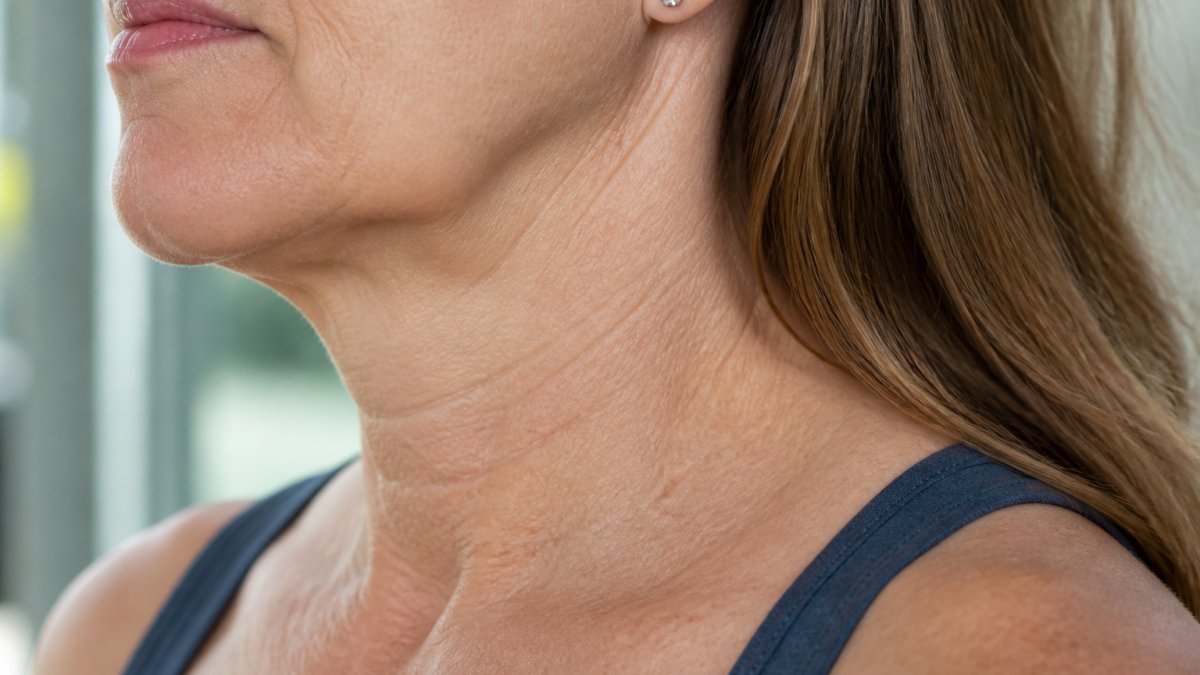
The primary culprits behind neck aging are loss of collagen and elastin production. These proteins give skin its firmness and elasticity. As production declines with age, skin becomes looser and develops fine lines.
Understanding what's causing your specific concern matters. Is it loose, sagging skin? Submental fat beneath the chin? Fine wrinkles and texture issues? Or visible muscle bands on the sides of the neck?
A non-surgical neck lift refers to minimally invasive treatments that tighten skin, reduce fat, or smooth wrinkles without surgery. These options range from energy-based devices to injectables to at-home treatments. Each works through different mechanisms and produces different results.
Non-Surgical Neck Lift Options: A Comparison
Several proven approaches exist for neck rejuvenation. Each addresses different concerns and produces different timelines for results. Some require multiple sessions. Others show gradual improvement over weeks or months.
The main categories are energy-based skin tightening (ultrasound and radiofrequency), laser treatments, injectables, and fat-reduction options. Within each category, specific devices and protocols vary. Some treatments work best for mild sagging. Others handle moderate to significant laxity more effectively.
| Treatment Type | Primary Concern | Mechanism | Typical Sessions | Results Timeline |
|---|---|---|---|---|
| Ultrasound tightening | Mild to moderate skin laxity | Collagen remodeling via heat | 1-3 | 2-6 months |
| Radiofrequency microneedling | Skin laxity, texture, wrinkles | RF energy + collagen induction | 3-4 | 4-8 weeks |
| Laser resurfacing | Fine wrinkles, texture, pigmentation | Ablative or non-ablative energy | 1-3 | 1-3 months |
| Neuromodulator injections | Platysma bands, dynamic wrinkles | Muscle relaxation | 1 | 7-14 days |
| Dermal fillers | Loss of volume, definition | Volumization | 1-2 | Immediate |
| Fat-dissolving injections | Submental fullness | Lipolysis | 2-4 | 4-8 weeks |
How to Read This Comparison
Each treatment has tradeoffs. Cost varies widely depending on treatment area size, provider expertise, and geographic location. Results durability ranges from months to over a year. Downtime differs significantly, some treatments require no recovery, while others involve temporary swelling or bruising.
This guide compares options based on what the research and clinical use show about mechanism, realistic outcomes, and what each approach handles best. No single treatment is "best" universally. The right choice depends on your specific concern, skin type, downtime tolerance, and budget.
Ultrasound Skin Tightening for Neck Rejuvenation
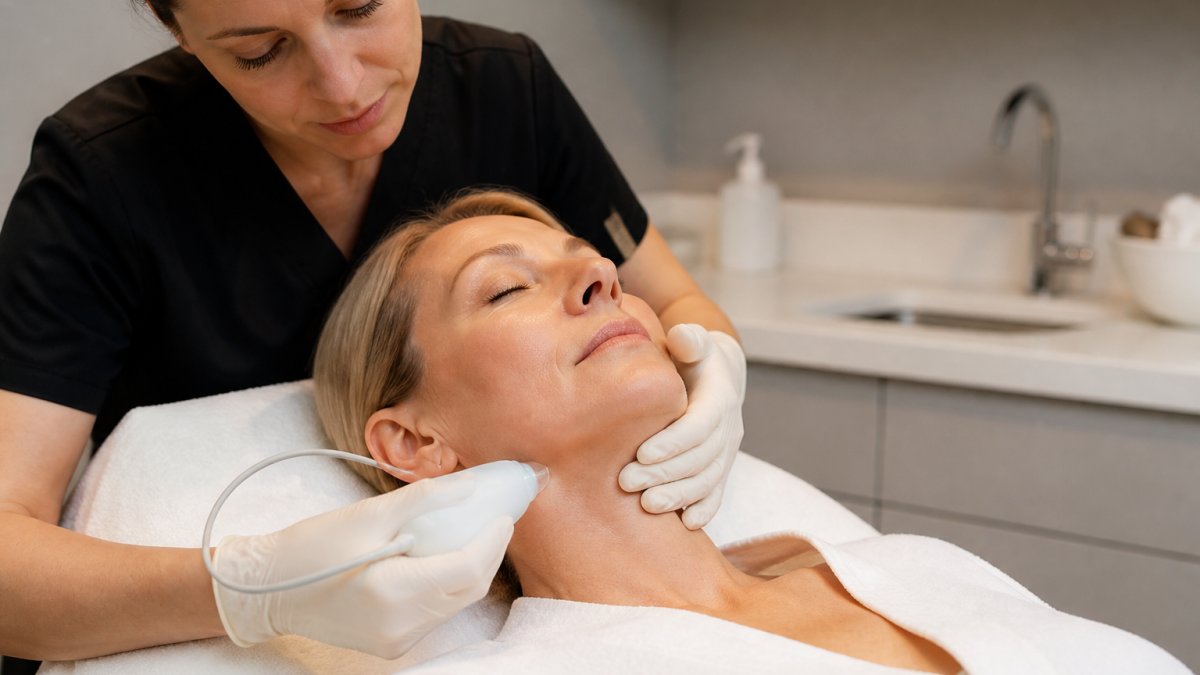
Ultrasound-based skin tightening uses focused ultrasound energy to heat deep skin layers without damaging the surface. This heat triggers collagen remodeling and new collagen production.
Ultherapy is the most recognized ultrasound device for neck rejuvenation. It's FDA-cleared for lifting and tightening loose skin. The treatment targets the dermis and subdermis, where collagen lives.
Results appear gradually. Most people see noticeable improvement between 2-6 months after treatment. Some improvement continues for up to a year. A single treatment can provide results lasting 12-18 months, though maintenance sessions extend durability.
Ultrasound works best for mild to moderate skin laxity. It's less effective for significant sagging or submental fat. Downtime is minimal, most people return to normal activities immediately.
Cost considerations vary by provider and treatment extent. The procedure requires no injectable products or ongoing medications. Results feel natural because they're based on your own collagen response, not artificial volumization.
Radiofrequency Skin Tightening for Neck Laxity
Radiofrequency (RF) energy heats skin tissue to trigger collagen contraction and remodeling. Unlike ultrasound, RF energy can be delivered through microneedling, which creates controlled micro-injuries that amplify the collagen-induction response.
Morpheus8 combines radiofrequency with microneedling. This dual mechanism addresses both skin laxity and texture issues simultaneously.
Most people need 3-4 sessions spaced 4-6 weeks apart for optimal results. Individual results vary based on baseline skin laxity and treatment intensity.
Downtime is moderate. Expect temporary redness, swelling, and mild bruising for 3-7 days. Some people experience temporary dryness.
Radiofrequency microneedling works well for moderate skin laxity combined with wrinkles or texture concerns. It's more aggressive than ultrasound alone, making it suitable for people with more significant sagging.
The trade-off is more downtime than ultrasound but stronger collagen remodeling. For people who can tolerate a week of visible recovery, RF microneedling often delivers more dramatic results than single-session ultrasound.
Laser Treatment for Neck Wrinkles and Texture
Laser energy removes damaged skin layers while stimulating collagen production. Ablative lasers remove the outer skin layer entirely, creating significant collagen remodeling. Non-ablative lasers work through the skin surface without removing it, producing gentler results.
Ablative lasers (like CO2 or erbium) address moderate to severe wrinkles, crepey texture, and skin laxity. They produce dramatic results but require substantial downtime, typically 1-2 weeks of visible healing.
Non-ablative lasers produce milder results with minimal downtime. Multiple sessions (3-6) are usually needed. Results appear gradually as collagen rebuilds. These work best for fine lines and mild texture issues rather than significant sagging.
Laser resurfacing works well when the primary concern is wrinkles, texture, or pigmentation rather than loose skin. It can be combined with other treatments for comprehensive rejuvenation.
Cost varies dramatically between ablative and non-ablative approaches. Ablative treatment produces faster, more dramatic results but requires recovery planning. Non-ablative offers convenience with more gradual improvement.
Injectables and Fat-Reduction Treatments
Injectables address different aging concerns than skin-tightening devices. Neuromodulator injections (like Botulinum toxin) relax the platysma muscle, the muscle running down the front of the neck.
A "Nefertiti Neck Lift" uses strategic neuromodulator placement to lift the jawline and soften neck bands. Results appear within 7-14 days and peak at 2 weeks.
Dermal fillers add volume to restore lost definition along the jawline and neck. They work immediately, though full results appear after swelling subsides.
Fat-dissolving injections target submental fat, the fullness beneath the chin that ages the neck profile. Kybella is the FDA-cleared option (the FDA).
Fat-dissolving injections work best when submental fullness is the primary concern. They don't address loose skin or wrinkles. Downtime is minimal, though temporary swelling and bruising occur.
Book your consultation today →
The advantage of injectables is immediate or rapid results and no significant downtime. The trade-off is that neuromodulator and filler results are temporary, requiring ongoing maintenance.
At-Home Treatments for Sagging Neck Skin
At-home devices offer convenience and lower cost than professional treatments. Radiofrequency and ultrasound devices designed for home use exist, though they deliver lower energy levels than professional equipment.
Microcurrent devices claim to stimulate facial muscles and improve skin appearance. Evidence for effectiveness is limited, but some people report modest improvements with consistent use.
Retinoid products improve fine lines and texture through collagen stimulation. They work best for mild wrinkles and sun damage rather than significant sagging.
Vitamin C serums and peptide products may support collagen health, though dramatic skin-tightening results shouldn't be expected.
Sunscreen is the most evidence-backed at-home treatment. Daily broad-spectrum SPF 30+ prevents further collagen breakdown and sun damage. This stops aging progression but doesn't reverse existing sagging.
At-home treatments suit people with mild concerns or those maintaining results from professional treatment. Realistic expectations matter, at-home options won't replicate professional ultrasound or radiofrequency results.
Choosing the Right Non-Surgical Neck Lift Treatment
Selecting the right treatment requires honest assessment of your primary concern and realistic outcome expectations. Different treatments address different problems. Matching treatment to concern dramatically improves satisfaction.
Matching Treatment to Your Concern
Loose or sagging skin responds best to energy-based skin tightening (ultrasound or radiofrequency). These treatments directly address skin laxity through collagen remodeling. Laser resurfacing works when wrinkles accompany the sagging.
Visible muscle bands or dynamic wrinkles respond to neuromodulator injections. These relax the platysma muscle and smooth dynamic expression lines. Results appear within days and peak at 2 weeks.
Submental fullness or double chin requires fat-reduction injections. Neuromodulators and fillers don't address fat. Only fat-dissolving injections or surgical liposuction permanently reduce fat volume.
Fine wrinkles and texture issues respond to laser resurfacing or radiofrequency microneedling. Both stimulate significant collagen production and improve skin quality. Laser works faster but requires more downtime.
Volume loss and loss of definition requires dermal fillers. Fillers restore lost volume and recreate jawline definition. They work immediately but require ongoing maintenance.
Realistic Outcomes and Durability
Understand what each treatment can and cannot do. Energy-based treatments tighten loose skin but don't eliminate significant sagging completely. Multiple sessions often produce better results than single treatments.
Injectables produce visible but temporary results. Neuromodulators last 3-4 months. Fillers last 6-12 months. Fat-dissolving injections produce permanent results because fat cells are destroyed, but results take weeks to months to appear fully.
Combination treatments often work better than single approaches. For example, ultrasound for skin tightening combined with filler for volume restoration addresses both laxity and volume loss simultaneously.
Results durability varies. Ultrasound results last 12-18 months. Radiofrequency results last 12-18 months. Laser results are long-lasting but may require maintenance sessions. Injectable results require ongoing maintenance.
Downtime and Recovery Expectations
Ultrasound has minimal downtime. Most people return to normal activities immediately. Mild redness resolves within hours.
Radiofrequency microneedling requires 3-7 days of visible recovery. Redness and swelling resolve completely, but the area looks treated during this window.
Ablative laser requires 1-2 weeks of visible healing. Non-ablative laser has minimal downtime. Redness can persist for weeks to months after ablative treatment.
Injectables have minimal downtime. Temporary swelling and bruising may occur but resolve within days. Makeup covers these effects immediately.
Fat-dissolving injections have minimal downtime. Swelling peaks at 24-48 hours then gradually resolves over 1-2 weeks.
At-home treatments have zero downtime. This is their primary advantage over professional treatments.
Consider your schedule and tolerance for visible recovery. Some people prefer one treatment with downtime over multiple sessions with minimal recovery.
The right non-surgical neck lift approach depends on your specific aging concerns and what results you realistically expect.
Frequently Asked Questions
What is the difference between a non-surgical neck lift and a surgical neck lift?
A non-surgical neck lift uses energy-based devices, injectables, or topical treatments to tighten skin and reduce sagging without incisions or anesthesia. A surgical neck lift (platysmaplasty) involves incisions, repositioning of muscle bands (platysma), and removal of excess skin, requiring general anesthesia and recovery time. Non-surgical options have minimal downtime but typically address mild to moderate laxity, while surgery can address more severe sagging and loose skin.
How long do results from non-surgical neck lift treatments last?
Duration varies by treatment type. Ultrasound skin tightening and radiofrequency skin tightening for neck can provide lasting results as collagen remodeling continues. Injectables usually last 3-4 months. Laser treatment for neck wrinkles can also provide lasting results. Most patients benefit from maintenance sessions annually or as recommended by their provider to sustain visible improvement.
Can creams or at-home treatments tighten loose neck skin?
At-home treatments for sagging neck skin have limited effectiveness for significant laxity. Over-the-counter creams containing retinol or peptides may improve skin texture and fine lines but cannot tighten loose skin. Professional-grade at-home devices with radiofrequency or LED technology offer modest results for mild laxity when used consistently. For moderate to severe sagging, in-office treatments deliver stronger energy delivery and more visible improvement than at-home options.
Which non-surgical neck lift option is best for mild skin laxity?
For mild skin laxity, radiofrequency skin tightening for neck and laser treatment for neck wrinkles are effective starting points because they address surface texture and early collagen loss with minimal downtime. Ultrasound skin tightening for neck works well for mild to moderate laxity and can be repeated. The best choice depends on whether your primary concern is loose skin texture, fine lines, or overall firmness. A consultation with a board-certified provider helps identify the most suitable treatment for your specific condition.