 comparison
Non-Surgical Facelift Alternatives for Aging Skin
Table of Contents
- What Is a Non-Surgical Facelift?
- Key Benefits of Non-Surgical Facelift Alternatives
- Ultrasound-Based Lifting Treatments
- Radiofrequency Skin Tightening Options
- Recovery Time for Non-Surgical Facelifts
- Cost of Non-Surgical Cosmetic Procedures
- Best Aesthetic Treatments for Sagging Skin
- Choosing the Right Non-Surgical Facelift Alternative
- Frequently Asked Questions
Last Updated: September 2, 2026
What Is a Non-Surgical Facelift?
A non-surgical facelift is a minimally invasive cosmetic procedure designed to lift, tighten, and rejuvenate facial skin without surgical incisions or general anesthesia. These treatments work by stimulating collagen production, tightening existing skin, or repositioning facial tissue to restore definition and reduce visible signs of aging like fine lines, wrinkles, and sagging skin.
Unlike traditional surgical facelifts, non-surgical alternatives target specific skin layers using technologies like ultrasound, radiofrequency, or microneedling. Results develop gradually as collagen production increases, creating a natural-looking transformation with minimal downtime.
At Ideal Weight Loss & Cosmetic Center, board-certified physician Dr. Gina Nichols offers several advanced non-surgical facelift alternatives tailored to individual skin concerns.
The appeal lies in flexibility and accessibility. Patients can target specific areas, jawline, cheeks, neck, or décolletage, without committing to a full-face procedure. Most treatments require only one to three sessions, with effects lasting one to two years. Recovery is minimal; most procedures involve zero downtime or mild redness that resolves within hours, allowing patients to return to work and activities immediately.
Key Benefits of Non-Surgical Facelift Alternatives
Non-surgical facelift alternatives eliminate surgical risks: no general anesthesia, incisions, scarring, or extended recovery. Cost is lower than surgical procedures, and results feel natural because they're built on the body's own collagen response, creating gradual improvements that look refreshed rather than overdone.
Customization is built into every treatment. A board-certified physician can combine multiple technologies in a single session to address different skin concerns simultaneously. This layered approach is difficult to achieve with surgery but straightforward with minimally invasive options.
The ability to test results before committing to larger procedures appeals to many patients. Someone uncertain about facial rejuvenation can start with a single Ultherapy or Sofwave session to see how their skin responds, then decide whether to pursue additional treatments.
Ultrasound-Based Lifting Treatments
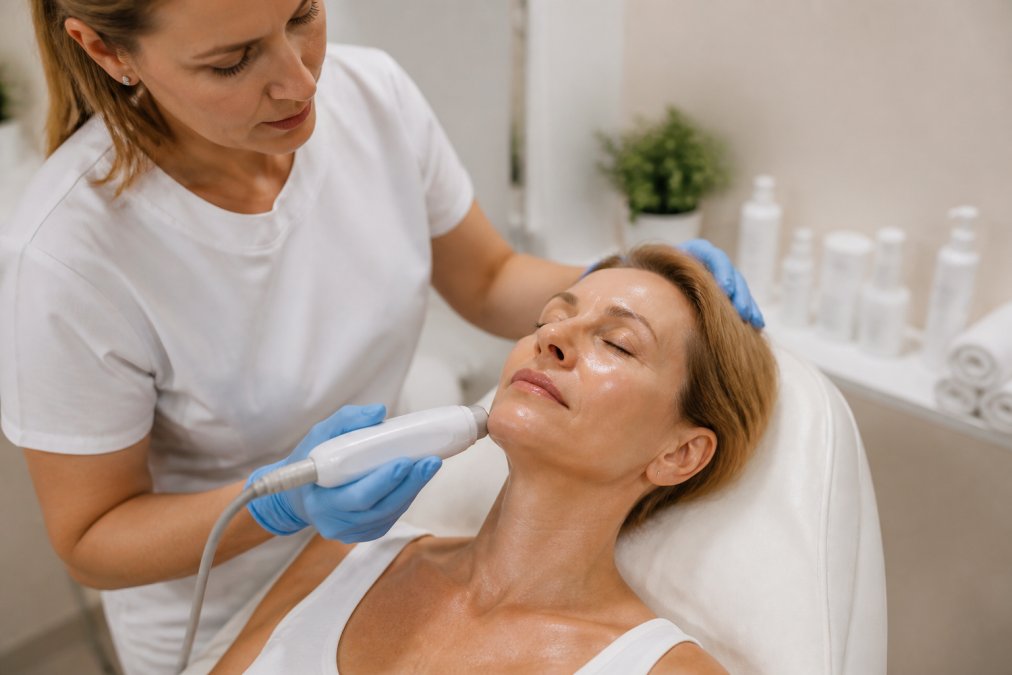
Ultrasound technology has become one of the most effective non-surgical facelift alternatives for stimulating collagen production and improving skin laxity. These treatments use focused ultrasound energy to penetrate deep into the dermis and subcutaneous layers, triggering the body's natural healing response and collagen remodeling.
Ultherapy for Collagen Stimulation
Ultherapy is an FDA-cleared ultrasound treatment using microfocused ultrasound with visualization (MFU-V) technology to lift and tighten skin on the brow, chin, neck, and décolletage (the FDA). The procedure delivers ultrasound energy to the SMAS layer, the structural support layer beneath the skin, stimulating natural collagen production over time.
The treatment is particularly effective for patients with mild-to-moderate skin laxity who want noticeable lifting without downtime. Results develop gradually over two to three months as new collagen forms, with continued improvement visible up to six months after treatment (peer-reviewed research). This gradual timeline creates a natural-looking result that doesn't raise obvious questions about what's changed.
Ultherapy typically requires only one session for results lasting one to two years. The visualization component allows precise targeting of the SMAS layer, ensuring consistent, predictable results across different patient types.
Sofwave for Fine Lines and Skin Laxity
Sofwave uses Superb™ Synchronous Ultrasound Parallel Beam Array technology to deliver energy efficiently across broader treatment areas. The system is FDA-cleared for lifting the eyebrow, improving the submental area, and reducing fine lines and wrinkles on the face and neck (the FDA).
Unlike Ultherapy's single-point targeting, Sofwave's parallel beam array treats multiple zones simultaneously, potentially reducing treatment time. The technology targets the mid-dermis layer, stimulating collagen and elastin production for improved skin texture and firmness. Many patients see visible results after a single session, with optimal outcomes continuing to develop over several weeks.
Sofwave works particularly well for patients concerned about fine lines, early wrinkles, and mild skin texture changes, including on the neck and chest, areas often overlooked in other procedures. Minimal downtime makes it accessible to professionals who cannot afford extended recovery.
Radiofrequency Skin Tightening Options
Radiofrequency technology heats the dermis and fibrous tissue layers, causing immediate collagen contraction and triggering long-term collagen remodeling. These treatments deliver visible results quickly while continuing to improve over weeks and months as new collagen forms.
Thermage FLX for Immediate and Long-Term Results
Thermage FLX uses monopolar radiofrequency energy to heat deep skin layers, creating immediate collagen contraction followed by gradual remodeling. The treatment is effective for tightening sagging skin, defining facial contours, and reducing fine lines and wrinkles across the face, neck, and body.
The system's AccuREP technology automatically adjusts energy delivery based on skin impedance, optimizing comfort and efficacy for each patient. Results appear immediately after treatment due to collagen contraction, with continued improvement visible over three to six months as deeper collagen remodeling occurs. The procedure requires no downtime; patients can return to normal activities immediately.
Morpheus8 for Deep Tissue Remodeling
Morpheus8 combines fractional radiofrequency microneedling to remodel subdermal adipose tissue and stimulate collagen production. The treatment penetrates deeper than traditional microneedling, reaching the subcutaneous layer where structural support deteriorates with age. This deep-tissue approach makes Morpheus8 particularly effective for skin laxity, texture improvement, and facial contouring.
Physicians adjust penetration depth and energy levels based on each patient's specific concerns and skin type, allowing Morpheus8 to address multiple problems simultaneously: tightening loose skin while improving texture, reducing acne scars, and defining the jawline. Most providers recommend a series of three to four sessions spaced four to six weeks apart for optimal results.
Recovery involves mild redness and swelling for 24-48 hours. Results continue improving for several months after the final treatment as collagen production peaks.
Recovery Time for Non-Surgical Facelifts
One of the primary advantages of non-surgical facelift alternatives is minimal recovery. Most ultrasound and radiofrequency treatments involve zero downtime, allowing patients to return to work, exercise, and social activities immediately. anti-aging alternatives.
Book your consultation today →
Ultrasound-based treatments like Ultherapy and Sofwave typically produce no visible side effects beyond possible mild redness that resolves within hours. Radiofrequency treatments like Thermage FLX also involve minimal downtime, with mild redness fading within a few hours. Patients should avoid intense heat exposure for 24 hours and use sunscreen.
Morpheus8 involves slightly longer recovery, with mild redness and swelling lasting 24-48 hours. Makeup can usually be applied after 24 hours, and most patients return to normal activities within two to three days.
The absence of significant downtime makes non-surgical facelift alternatives practical for professionals, parents, and active individuals who cannot afford extended recovery periods.
Cost of Non-Surgical Cosmetic Procedures
Pricing for non-surgical facelift alternatives varies based on the specific treatment, area treated, provider expertise, and geographic location. Patients should discuss pricing transparently with their provider before committing to treatment. Many practices offer financing options, package deals, or seasonal promotions. The investment in non-surgical treatments often costs less than a single surgical facelift while providing flexibility to spread costs over time.
Best Aesthetic Treatments for Sagging Skin
Sagging skin represents one of the most common aging concerns, and multiple non-surgical facelift alternatives effectively address this issue. The best treatment depends on the severity of sagging, the patient's skin type, and desired outcomes.
Ultrasound treatments excel at lifting mild-to-moderate sagging because they stimulate collagen production in the structural SMAS layer. Ultherapy is particularly effective for brow lift, jawline definition, and neck tightening. Radiofrequency treatments like Thermage FLX provide more immediate skin tightening through collagen contraction, ideal for those wanting quick improvement.
Morpheus8 addresses more significant sagging through deep-tissue remodeling. Patients with moderate-to-severe sagging, particularly those developing jowls or significant loss of facial definition, often see the most dramatic improvements with Morpheus8 series treatments.
Many patients benefit from combination approaches. A board-certified physician can recommend the optimal combination based on individual skin assessment and aesthetic goals.
Choosing the Right Non-Surgical Facelift Alternative
Selecting the best non-surgical facelift alternative requires honest assessment of individual aging concerns, skin type, budget, and realistic expectations about results. A consultation with a board-certified physician is essential for determining which treatment will deliver the desired outcome.

Start by identifying the primary aging concern. Patients focused on fine lines and surface texture often benefit from ultrasound or lighter radiofrequency treatments. Those concerned about skin laxity and sagging typically see better results from deeper-penetrating technologies like Morpheus8. Patients wanting immediate results prefer radiofrequency approaches, while those comfortable with gradual improvement may prefer ultrasound treatments.
Skin type and ethnicity matter significantly in treatment selection. Darker skin types require careful consideration of technology choice to avoid complications like post-inflammatory hyperpigmentation. A knowledgeable physician understands how different treatments interact with various skin types and can recommend the safest, most effective options.
Budget considerations should be realistic and comprehensive. While a single Ultherapy session may seem affordable, patients should understand whether results will meet expectations or whether multiple treatments might be necessary. Spreading treatments across several months can make costs more manageable.
Recovery tolerance varies among patients. Those unable to afford even 24-48 hours of mild redness should choose ultrasound or Thermage FLX rather than Morpheus8. Conversely, patients willing to accept brief recovery periods can access more dramatic results.
Realistic expectations are essential. Non-surgical facelift alternatives produce excellent results for mild-to-moderate aging concerns but cannot replicate surgical facelift outcomes for severe sagging or significant volume loss. A physician should honestly discuss what each treatment can and cannot achieve.
At Ideal Weight Loss & Cosmetic Center, the approach integrates non-surgical facelift alternatives with overall wellness goals. Dr. Gina Nichols and the team consider how aesthetic improvements complement weight management, hormone optimization, and metabolic health. This integrated perspective recognizes that true transformation involves multiple dimensions: appearance, energy, confidence, and overall health working together.
Aging skin doesn't require surgical intervention to improve dramatically. Non-surgical facelift alternatives offer effective, accessible solutions that deliver natural-looking results with minimal downtime. The key is matching the right technology to individual concerns, skin type, and expectations. Ideal Weight Loss & Cosmetic Center specializes in personalized aesthetic solutions that combine advanced non-surgical treatments with comprehensive wellness planning. Board-certified physician Dr. Gina Nichols brings over two decades of experience to every consultation, ensuring patients receive honest assessment and customized recommendations tailored to their unique needs. Book your consultation today to discover which non-surgical facelift alternative can help you achieve the refreshed, youthful appearance you're seeking.
Frequently Asked Questions
How long do non-surgical facelift results last?
Results vary by treatment type. Ultherapy and Sofwave results typically last one to two years, while Thermage FLX results can persist for 1-2 years with gradual collagen remodeling. Morpheus8 results may last longer, especially with maintenance sessions. Most treatments require periodic follow-up sessions to maintain optimal aesthetic outcomes as the body naturally metabolizes treated tissues over time.
What is the recovery time for non-surgical facelifts?
Most non-surgical facelift alternatives require minimal downtime. Ultherapy, Thermage FLX, and Sofwave typically have no downtime, allowing you to return to normal activities immediately. Morpheus8 may involve 2-3 days of mild redness and swelling. This minimal downtime is one of the primary advantages of non-surgical treatments compared to surgical facelifts, which require weeks of recovery.
What is the cost of non-surgical cosmetic procedures?
Pricing for non-surgical facelift alternatives varies based on treatment type, area treated, and provider location. Many providers recommend series treatments for optimal results. Contact your local provider for current pricing and customized treatment plans.
Are non-surgical facelift results permanent?
Non-surgical facelift results are not permanent but can be long-lasting. These treatments stimulate your body's natural collagen production and tighten existing collagen, but results gradually fade as your body continues aging. Most results last 1-2 years, and maintenance sessions can extend and refresh outcomes. Combining treatments with a healthy lifestyle, sun protection, and proper skincare can maximize longevity.