 blog
7 Natural Appetite Suppressants That Actually Work
Last Updated: October 26, 2026
Quick Summary
The best natural appetite suppressants for weight loss are fiber-rich foods like legumes, oats, and barley, plus protein at each meal, which have the strongest human evidence. Aim for 25-35 g of fiber daily and 20-30 g of protein per meal, and add fiber gradually over two to three weeks to avoid bloating.
- A 1.5-cup serving of cooked oatmeal supplies roughly 3 g of beta-glucan, the amount used in most satiety studies.
- Grapefruit interacts with several common medications, including some statins and blood pressure drugs, so check with a pharmacist first.
- Bitter orange raises heart rate and blood pressure, so anyone with hypertension or heart disease should avoid it.
- Glucomannan carries choking and blockage risk if taken without enough water.
- Increasing fiber sharply in one week causes bloating and gas, so add it gradually over two to three weeks.
Table of Contents
- How Natural Appetite Suppressants Support Weight Loss
- Foods That Suppress Appetite: What the Evidence Shows
- Drinks That Suppress Appetite and When to Use Them
- Fiber for Appetite Control: Pectin, Protein, and Fullness
- Appetite Suppressant Supplements: Evidence, Safety, and Limits
- Comparing Effectiveness, Dose, and Time to Effect
- Meal Examples and Realistic Daily Implementation
- Book a Medically Supervised Weight-Loss Consultation
- Frequently Asked Questions
How Natural Appetite Suppressants Support Weight Loss
Natural appetite suppressants for weight loss work by influencing hunger signals, slowing digestion, or increasing fullness so eating less feels less like deprivation.
Hunger, Satiety, and Food Noise Explained
Hunger is the body's physical drive to eat, driven largely by hormones such as ghrelin. Satiety is the opposite: the fullness that signals a meal is done. Food noise is the constant mental chatter about food many people describe during a diet.
The distinction matters. A food that blunts hunger for an hour does little for someone whose real problem is grazing at 9 p.m. Matching the tool to the pattern is the whole game.
Foods That Suppress Appetite: What the Evidence Shows
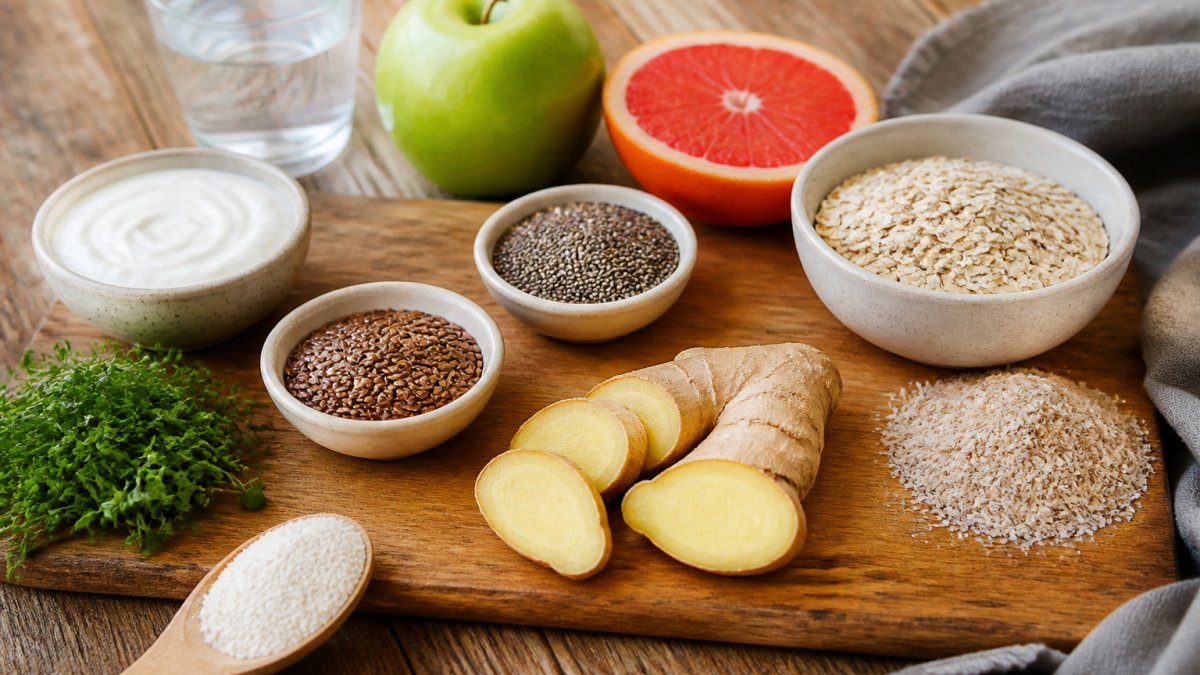
Foods that suppress appetite fall into two groups: high-fiber foods that add bulk and slow digestion, and high-protein foods that trigger fullness hormones. Neither is dramatic alone, but combined and eaten consistently they change how much food it takes to feel satisfied. The table below grades each food by the strength of human evidence.

Apples, Berries, and Grapefruit
Grapefruit has a long folk reputation; it will not burn fat, but its water and fiber make it a filling pre-meal choice. Human trials are small and mixed, with modest effects at best.
Legumes, Oats, and Barley
Oats owe their reputation to beta-glucan, a viscous soluble fiber; a 1.5-cup serving of cooked oatmeal supplies roughly 3 g, the amount used in most satiety studies. Barley is the underrated twin, delivering beta-glucan at similar or higher levels and working well in soups and grain bowls. Incorporating these fiber-rich grains into your daily routine can also help to relieve chronic bloating by supporting more efficient digestion and gut health.
Eggs, Greek Yogurt, and Fatty Fish
Fatty fish such as salmon and sardines add protein plus omega-3 fats, producing steadier fullness than lean protein alone. Nuts and avocado follow the same logic, fat, fiber, and chewing time, but portion size matters because the calories are dense.
Ginger, Cayenne, and Chili Peppers
Wasabi and hot sauce follow the same logic: the effect is real but modest. Treat spice as a supporting player, not a strategy.
Evidence at a Glance
| Food | Key Active Component | Typical Useful Amount | Human Evidence | Main Caveat |
|---|---|---|---|---|
| Apples | Pectin, water, chewing | 1 medium apple | Moderate | Whole fruit, not juice |
| Berries | Fiber, volume | 1 cup | Moderate | Cost and seasonality |
| Legumes | Protein + fermentable fiber | 1/2 cup cooked | Strong | Gas if increased fast |
| Oats and barley | Beta-glucan | ~3 g beta-glucan | Strong | Plain, not sweetened |
| Eggs and Greek yogurt | Protein | ~30 g at breakfast | Strong | Watch added sugar in yogurt |
| Fatty fish | Protein + omega-3 | 4-6 oz | Moderate | Mercury limits for some fish |
| Grapefruit | Water, fiber | 1/2 fruit before meals | Weak to moderate | Drug interactions |
| Cayenne and chili | Capsaicin | Culinary amounts | Moderate but small effect | Digestive irritation |
| Ginger | Gingerols | Tea or culinary | Weak for appetite | Mostly nausea data |
Drinks That Suppress Appetite and When to Use Them
Watch out: juicing strips fiber from fruit and concentrates sugar, so a juice "meal" often leaves people hungrier an hour later than the whole fruit would have.
Fiber for Appetite Control: Pectin, Protein, and Fullness
Readers planning meals around these principles can use a macro guide for weight loss and maintenance to structure daily intake without guesswork.
Appetite Suppressant Supplements: Evidence, Safety, and Limits
FDA's consumer guidance on weight-loss products warns specifically about products marketed as "natural" that contain hidden active ingredients, including prescription drugs, controlled substances, and heavy metals, and about products that promise rapid or effortless weight loss.
Book your consultation today →
| Ingredient | Claimed Mechanism | Typical Dose on Labels | Human Evidence | Key Safety Concern |
|---|---|---|---|---|
| Bitter orange (synephrine) | Stimulant, mild appetite blunting | 10-50 mg synephrine | Weak | Raises heart rate and blood pressure; avoid with heart disease or hypertension |
| Green tea extract (EGCG + caffeine) | Mild thermogenesis, small appetite effect | 300-500 mg EGCG | Weak to moderate, small effect | Liver injury reports with high-dose extracts; caffeine load |
| Garcinia cambogia (HCA) | Appetite and fat synthesis claims | 500-1,500 mg | Weak and inconsistent | GI upset; case reports of liver issues |
| Glucomannan (konjac fiber) | Viscous fiber, gastric fullness | 1-3 g with water | Moderate for short-term fullness | Choking and blockage risk if taken without enough water |
| Chromium picolinate | Blood sugar and craving claims | 200-1,000 mcg | Weak | Generally low risk; little benefit shown |
| Fiber supplements (psyllium, inulin) | Bulk and fermentation | 5-10 g | Moderate | Bloating; start low |
Bitter Orange, Synephrine, and Stimulant Risks
National Center for Complementary and Integrative Health notes that safety data on bitter orange are limited. Anyone with hypertension, heart disease, or a stimulant sensitivity should avoid it.
National Center for Complementary and Integrative Health has documented rare but serious liver injury reports linked to high-dose green tea extract. Drinking brewed tea is not the same exposure as swallowing a concentrated capsule.
Who Should Not Use These Products
Higher-risk groups include people on blood pressure or heart medications, pregnant or breastfeeding women, anyone with a history of disordered eating, people with liver or kidney disease, and anyone taking multiple supplements. Stimulant-based products are especially risky with anxiety, arrhythmias, or uncontrolled thyroid disease. Check for interactions before adding any supplement, fiber supplements in particular can reduce absorption of some drugs taken at the same time.
Foods Versus Supplements: A Fair Comparison
natural alternatives to weight loss pills puts them side by side.
Comparing Effectiveness, Dose, and Time to Effect
| Approach | Typical Dose | Time to Notice | Evidence Strength | Key Risk |
|---|---|---|---|---|
| Fiber-rich foods | 25-35 g daily | 1-2 weeks | Strong | Bloating if increased fast |
| Protein at each meal | 20-30 g per meal | Days to weeks | Strong | None for most people |
| Water before meals | 1-2 cups | Immediate | Moderate | None |
| Cayenne or chili | Culinary amounts | Immediate, small | Moderate | Digestive irritation |
| Bitter orange supplements | Label-dependent | Variable | Weak | Blood pressure, heart rate |
Lasting results depend on what happens after the weight comes off. A plan for stopping weight regain matters more than any single suppressant.
Meal Examples and Realistic Daily Implementation
Watch out: increasing fiber sharply in one week causes bloating and gas that sends people back to old habits. Add it gradually over two to three weeks.
Book a Medically Supervised Weight-Loss Consultation
Ideal Weight Loss & Cosmetic Center, led by board-certified physician Dr. Gina Nichols, offers personalized plans, including customized diet and metabolic plans, GLP-1 medications, and hormone optimization.
Readers who want to see what medically supervised routes exist can review the medical weight loss alternatives available, or read what physician-guided weight loss involves before booking. The clinic reports over one million pounds lost by its patients.
Frequently Asked Questions
Do natural appetite suppressants actually work?
Some do, but the effect is modest. Fiber-rich foods, protein, and water can reduce hunger between meals, and capsaicin from chili peppers may slightly lower calorie intake. Supplements marketed as appetite suppressants vary widely in evidence and safety, and the FDA has warned about certain stimulant ingredients. Natural appetite suppressants work best as part of a structured weight-management plan, not as a standalone fix.
What are the best natural appetite suppressants for weight loss?
Start with food-first options: apples, berries, and grapefruit for fiber and volume; ginger and cayenne for flavor with possible hunger effects; and protein at each meal for satiety. Drinks such as water, green tea, and coffee can help between meals. If you are considering appetite suppressant supplements, review the label with a clinician first, especially if you take medication for blood pressure, diabetes, or a heart condition.
Are appetite suppressant supplements safe?
Not all of them. Dietary supplements are not reviewed by the FDA for safety and effectiveness before sale, and some products marketed for weight loss have been recalled for undeclared prescription drugs or harmful stimulants. Bitter orange and synephrine can raise heart rate and blood pressure. Check with a board-certified physician before starting any appetite suppressant supplement, particularly if you have hypertension, diabetes, or take daily medication.
How long does it take for natural appetite suppressants to reduce hunger?
Fiber and protein begin affecting fullness within a single meal, while changes in habitual hunger and cravings usually take several weeks of consistent eating patterns. Spicy foods and ginger may have a short-term effect on appetite in the hours after eating. Supplements vary by ingredient and dose, and none should be expected to replace a calorie deficit or medical supervision for sustained weight loss.
Sustainable appetite control rarely comes from a bottle. It comes from a structure that makes eating less feel manageable, and from knowing when a medical evaluation is the smarter next step. Ideal Weight Loss & Cosmetic Center offers board-certified medical expertise, personalized treatment plans, and customized metabolic guidance to help patients move past the cycle of short-lived diets. Get started with Ideal Weight Loss & Cosmetic Center and build a plan designed for lasting results.