 listicle
Morpheus8 Skin Tightening Review: Face and Body Results
Table of Contents
- How Morpheus8 Skin Tightening Works
- Morpheus8 Results for Face and Body
- Morpheus8 Recovery Time and Downtime
- How Many Morpheus8 Sessions Are Needed?
- Morpheus8 vs Traditional Microneedling
- Morpheus8 Cost and What to Expect
- Managing Complications and Long-Term Maintenance
- Frequently Asked Questions
Last Updated: September 10, 2026
How Morpheus8 Skin Tightening Works
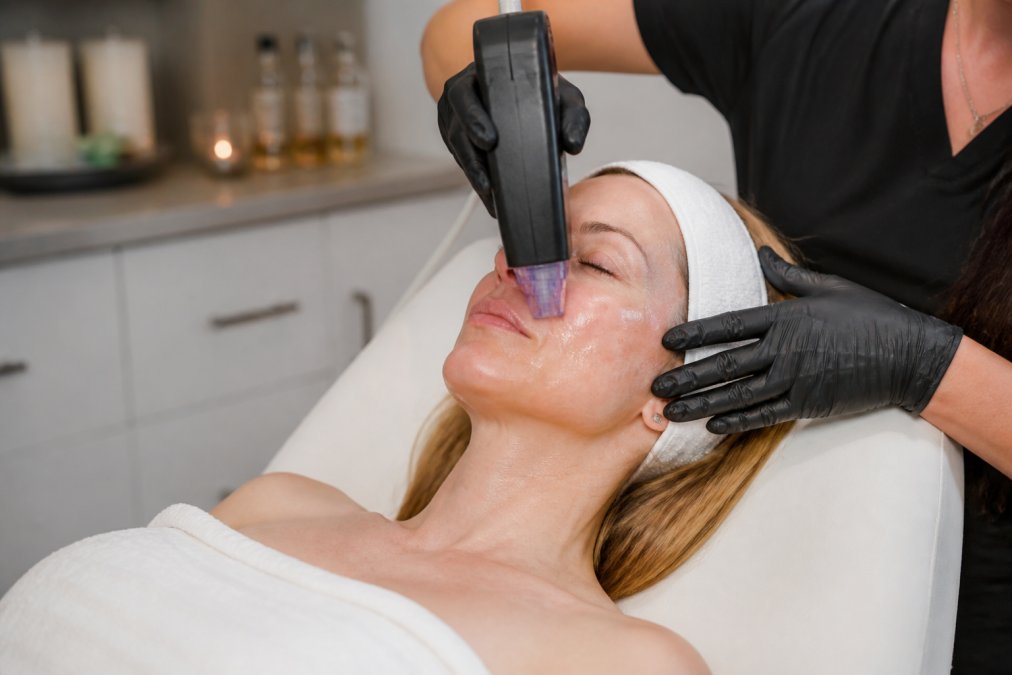
Morpheus8 skin tightening is a fractional radiofrequency (RF) microneedling treatment that delivers thermal energy below the surface of the skin to stimulate collagen production and remodel tissue. A handheld device presses fine needles into the skin at controlled depths, then releases RF energy at the tip of each needle. This combination of mechanical micro-injury and heat triggers the body's natural repair response, which builds new collagen and elastin over the following weeks and months. In practice, this means the treatment works on two levels: the surface texture and the deeper structural support that keeps skin firm.
The device reaches depths of up to 4 millimeters on the face and up to 7 millimeters on the body, which is what separates it from standard microneedling pens that typically work at 0.5 to 2.5 millimeters (PubMed). That extra depth is the entire point. Skin laxity on the jawline, neck, and abdomen sits in layers that shallow treatments cannot reach, and the RF energy at those depths is what drives dermal remodeling rather than just surface exfoliation.
Morpheus8 Results for Face and Body
Results vary by treatment area, but the general pattern is consistent: facial treatments target fine lines, pore size, skin texture, and jawline contouring, while body treatments address skin laxity and crepiness on the abdomen, arms, thighs, and knees. Most patients see initial tightening within two to four weeks, with continued improvement in skin quality over three to six months as new collagen matures.
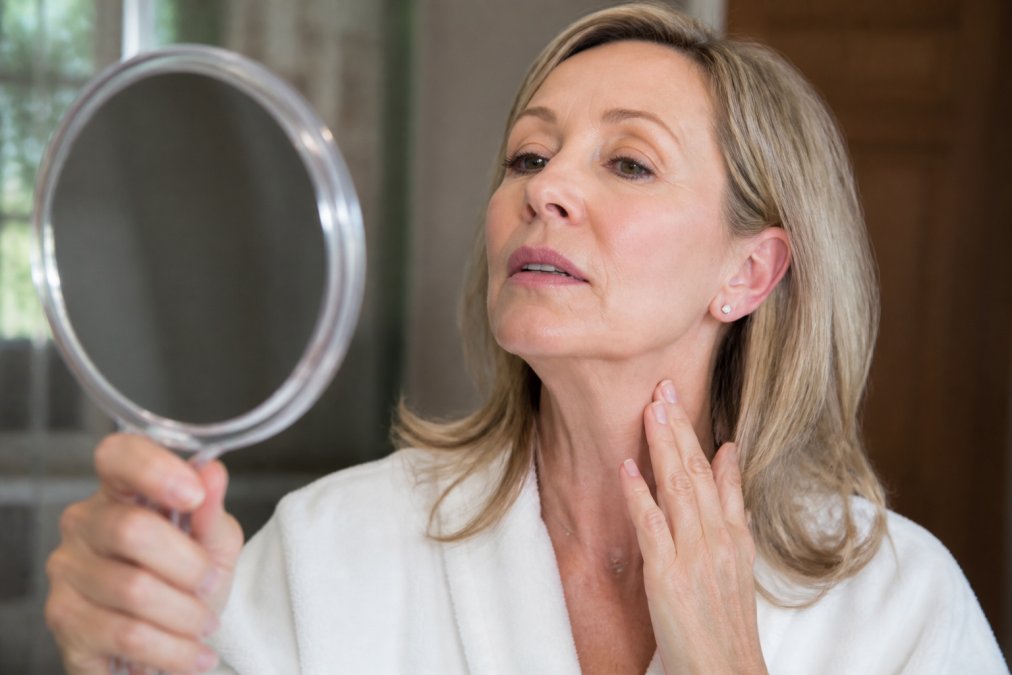
The face tends to respond faster because facial skin is thinner and more vascular. Body areas, particularly the abdomen and upper arms, often require more sessions and a longer timeline before changes become obvious. Patients with significant skin laxity after weight loss frequently report the most dramatic difference, because the treatment addresses the specific problem of loose skin that has lost its underlying structural support.
Morpheus8 Recovery Time and Downtime
Morpheus8 recovery time is shorter than surgical alternatives but not zero. Expect erythema (redness) and mild edema (swelling) for 24 to 72 hours after a facial session (PubMed). Most patients describe the skin as looking sunburned and feeling tight. Body treatments can produce slightly longer redness because the needle depths are greater, but the recovery period rarely exceeds four to five days.
Makeup can typically be applied after 24 hours, though many providers recommend waiting 48 hours to reduce infection risk. Sun exposure should be avoided for at least a week, and daily broad-spectrum sunscreen is non-negotiable during the healing phase. A common mistake is scheduling a session too close to a major event. Two weeks of buffer is the minimum most practitioners suggest.
How Many Morpheus8 Sessions Are Needed?
Most patients need three sessions spaced four to six weeks apart for optimal results, with annual maintenance treatments to preserve the outcome. The exact number depends on the treatment area, the degree of skin laxity, and how the individual responds to collagen induction.
A useful way to think about the schedule:
| Treatment Goal | Typical Sessions | Spacing | Maintenance |
|---|---|---|---|
| Fine lines and texture | 2-3 | 4 weeks | 1 per year |
| Jawline and neck laxity | 3 | 4-6 weeks | 1-2 per year |
| Body skin tightening | 3-4 | 6 weeks | 1-2 per year |
| Post-weight-loss laxity | 3-4 | 6 weeks | As advised |
Results longevity depends heavily on maintenance. Collagen continues remodeling for months after the last session, but the aging process does not stop. Patients who skip maintenance typically see their results fade within 12 to 18 months.
Morpheus8 vs Traditional Microneedling
Morpheus8 vs traditional microneedling comes down to depth and energy. Standard microneedling creates controlled micro-injuries at the surface to stimulate collagen, and it works well for fine lines, scars, and overall skin texture. It does not deliver heat, and it does not reach the subcutaneous fat layer where structural laxity originates.
Morpheus8 adds fractional RF energy at the needle tip, which extends the effect into the dermis and, on the body, into adipose tissue. That is why it can address skin tightening and contouring in ways that microneedling alone cannot. The trade-off is comfort and downtime. Traditional microneedling is generally well tolerated with topical anesthetic and heals in a day or two. Morpheus8 involves more discomfort during the procedure and a longer recovery period.
Morpheus8 Cost and What to Expect
Morpheus8 pricing is not standardized, which is why two clinics in the same metro area can quote wildly different numbers for what sounds like the same treatment. The price is driven by four variables: the treatment area, the number of sessions in the plan, the provider's credentials and device model, and whether the session is bundled with other services.
Here is the range most patients encounter in the United States:
| Treatment Area | Typical Per-Session Range | Typical Series (3 sessions) |
|---|---|---|
| Full face | $600 - $1,500 | $1,800 - $4,000 |
| Face and neck | $900 - $2,000 | $2,700 - $5,500 |
| Jawline only | $400 - $900 | $1,200 - $2,500 |
| Abdomen | $1,000 - $2,500 | $3,000 - $7,000 |
| Arms, thighs, or knees (per area) | $800 - $1,800 | $2,400 - $5,000 |
| Full body (multi-area) | $2,500 - $5,000+ | Quoted per plan |
A few things drive the spread. Body treatments cost more than facial treatments because they require more passes, larger handpiece coverage, and greater needle depth. A board-certified dermatologist or plastic surgeon typically charges more than a med spa nurse injector, and in many states the device must be operated under physician supervision, that overhead shows up in the price. Package pricing for a full series is standard, and most clinics discount the per-session rate by 10 to 25 percent when you commit to three or more sessions upfront.
Financing is widely available through third-party medical lenders, and some clinics offer in-house payment plans. Because pricing is not standardized and varies by region, provider type, and device model, an in-person consultation is the only way to get an accurate quote for your specific treatment area and goals. At Ideal Weight Loss & Cosmetic Center, patients receive a personalized assessment that accounts for the treatment area, the number of sessions needed, and any combination with other services. Ask about package pricing, what happens if results plateau, and whether a maintenance plan is included in the quoted cost. medical-grade skincare.
Managing Complications and Long-Term Maintenance
Most Morpheus8 reviews stop at the side-effect list. What they rarely cover is what happens when something goes wrong, or how to hold onto your results past the first year. Those two questions are where the real patient anxiety lives, so this section addresses both.
Book your consultation today →
Common and Expected Reactions
Erythema (redness), mild edema, pinpoint bleeding, and a sunburned sensation for 24 to 72 hours are normal and expected. Small grid-like track marks and tiny scabs typically resolve within five to seven days. Body treatments at greater needle depths can extend redness to four or five days. These are not complications, they are the mechanism working.
Complications That Need Attention
Post-inflammatory hyperpigmentation (PIH) is the most frequently reported true complication, and it disproportionately affects patients with darker skin tones (Fitzpatrick IV-VI) (PubMed). It is why provider experience with the specific device matters more than the device brand itself. A provider who adjusts needle depth and energy settings for skin tone dramatically reduces PIH risk.
Herpes simplex reactivation is a known risk for patients with a history of cold sores. Antiviral prophylaxis, typically valacyclovir started the day before treatment, is commonly prescribed for these patients. If your provider does not ask about cold sore history, bring it up.
When Results Are Unsatisfactory
This is the gap most articles ignore. If you complete a full series and see minimal change, the cause is usually one of four things:
- Wrong candidate. Significant skin laxity with poor skin quality may need surgical intervention. Non-surgical tightening has a ceiling.
- Wrong depth. If the provider used a fixed shallow depth across the whole face, the structural layers were never reached.
- Wrong number of sessions. Three sessions is a starting point, not a guarantee. Some patients need four or five.
- Unrealistic timeline. Collagen remodeling continues for three to six months after the last session. Judging results at week four is premature.
A reputable provider will reassess at the three-month mark and either adjust the protocol or tell you honestly that a different modality, or surgery, is the better path. Ask about this policy before you pay.
Fat Loss and Contouring Concerns
At body-treatment depths (up to 7 millimeters), RF energy reaches subcutaneous fat. This is intentional for contouring, but it means over-treatment in the wrong area, particularly the face, can produce volume loss rather than tightening. Facial fat loss from aggressive RF microneedling is uncommon but reported, and it is more likely with high energy settings, repeated sessions in a short window, or a provider chasing dramatic results. The preventive measure is conservative settings and adequate spacing between sessions.
A 12-to-24 Month Maintenance Protocol
Results fade because collagen remodeling slows and the aging process continues. A structured maintenance plan looks like this:
Months 0-6 (post-series): No maintenance sessions. Let collagen mature. Focus on daily broad-spectrum sunscreen (SPF 30+), gentle cleansing, and a topical retinoid if tolerated. Avoid significant weight fluctuation.
Months 6-12: Assess results at the six-month mark. Facial areas typically hold well; body areas with prior laxity may already show early softening. Book one maintenance session at the 12-month mark for facial areas.
Months 12-24: Body areas with prior laxity usually need maintenance every 6 to 12 months. Facial areas typically need one session per year. Patients who had post-weight-loss laxity often need the most frequent maintenance because the underlying skin envelope was already compromised.
- Daily broad-spectrum sunscreen, no exceptions
- Maintain stable weight, fluctuations of 10+ pounds undermine contouring
- One facial maintenance session per year
- Body maintenance every 6 to 12 months if laxity was significant
- Reassess hormone-related skin changes with a qualified provider
Patients at Ideal Weight Loss & Cosmetic Center benefit from having aesthetic treatment and metabolic health managed under one roof. Board-certified physician Dr. Gina Nichols brings over two decades of experience to treatment planning, and the clinic's approach pairs non-surgical skin tightening with customized plans that address weight, hormone balance, and overall skin quality together rather than in isolation.
Frequently Asked Questions
Does Morpheus8 really tighten skin?
Yes, Morpheus8 is designed to tighten skin by delivering fractional radiofrequency energy through microneedles into the dermis and subcutaneous fat. This thermal energy triggers collagen and elastin production, which over time leads to firmer, more lifted skin. Results are gradual, typically appearing over three to six months as new collagen matures. It works best for mild to moderate skin laxity, not severe sagging that requires surgery. A consultation can confirm whether your specific concerns fall within the treatment's effective range.
What is the recovery time for Morpheus8 on the face and body?
Morpheus8 recovery time varies by treatment area. Facial treatments usually involve 2 to 4 days of redness and mild swelling, with most people returning to normal activities within 48 hours. Body treatments, which use deeper needle depths up to 7mm, may cause 3 to 7 days of swelling, tenderness, and pinpoint marks. Cold compresses and avoiding strenuous exercise for a few days help speed recovery. Most patients manage discomfort with over-the-counter pain relief.
How many Morpheus8 sessions are needed for visible results?
How many Morpheus8 sessions are needed depends on your goals and treatment area. For facial skin tightening, most providers recommend 3 sessions spaced about 4 to 6 weeks apart. Body contouring may require 3 to 4 sessions. Some patients see improvement after 2 sessions, but collagen remodeling continues for months. Maintenance treatments once or twice a year help sustain results. Your provider will tailor the plan to your skin condition and laxity level.
How long do Morpheus8 body results last?
Morpheus8 body results can last 12 to 18 months, though this varies with age, lifestyle, and skin condition. The treatment triggers new collagen that gradually replaces old tissue, and this collagen can persist for a year or more. Factors like weight fluctuations, sun exposure, and smoking can shorten longevity. Many patients schedule annual maintenance sessions to preserve tightening and contouring. Results are not permanent, but they are long-lasting compared to many non-surgical options.
Who is an ideal candidate for Morpheus8 treatments?
Ideal candidates are adults with mild to moderate skin laxity, fine lines, or uneven texture who want a non-surgical option. It suits most skin types, including darker tones, because the fractional energy delivery minimizes surface damage and reduces post-inflammatory hyperpigmentation risk. People with active infections, pregnant individuals, or those with certain medical conditions may not be candidates. A board-certified physician can assess your skin and health history to determine if Morpheus8 is appropriate for you.