 ultimate-guide
Minimal Downtime Aesthetic Treatments: A 2026 Guide
Table of Contents
- What Are Minimal Downtime Aesthetic Treatments?
- Popular Skin Rejuvenation and Body Contouring Options
- Non-Surgical vs. Surgical Body Contouring: Which Is Right for You?
- Benefits of Medically Supervised Aesthetic Care
- What to Expect: From Consultation to Recovery
- Lunch Break vs. Weekend Treatments: Timing Your Procedure
- Safety, Contraindications, and What to Avoid
- Frequently Asked Questions
Last Updated: August 18, 2026
What Are Minimal Downtime Aesthetic Treatments?
Minimal downtime aesthetic treatments are non-surgical procedures designed to refresh your appearance without requiring extended recovery periods. Unlike traditional surgery, these treatments allow you to return to normal activities within hours or a few days, making them ideal for busy professionals seeking gradual improvements.
At Ideal Weight Loss & Cosmetic Center, we specialize in these minimally invasive approaches, combining advanced technology with personalized care to deliver visible results without the risks and extended recovery associated with surgery. These treatments work by stimulating your skin's natural healing response or directly addressing specific concerns like fine lines, volume loss, and skin texture. Most patients experience mild redness or swelling that resolves within 24-48 hours, allowing them to resume work, exercise, and social activities almost immediately.
Popular Skin Rejuvenation and Body Contouring Options
The landscape of non-surgical aesthetic solutions has expanded dramatically, offering targeted treatments for nearly every concern.
Microneedling and Collagen Induction
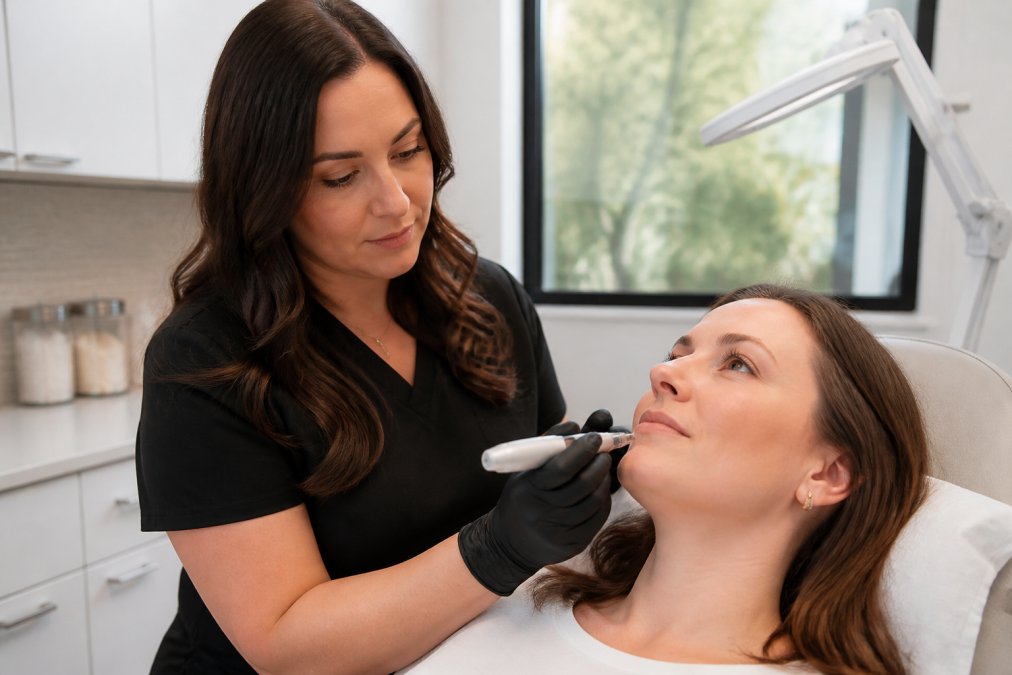
Microneedling creates controlled micro-injuries to the skin using fine needles, triggering your body's natural collagen production and cellular turnover. This process doesn't remove skin; it stimulates repair from within, improving skin texture, reducing fine lines, and creating a more radiant complexion over several weeks as new collagen forms.
The procedure typically takes 30-45 minutes, with mild redness and sensitivity subsiding within 24-48 hours. Results continue improving for up to three months as collagen rebuilds, with many patients returning every 4-6 weeks for a series of treatments. Microneedling works on all skin tones and types, addresses acne scars and hyperpigmentation, and pairs well with other treatments.
Recovery Time for Laser Skin Resurfacing
Laser skin resurfacing uses focused light energy to remove damaged skin layers and stimulate deeper collagen remodeling. Non-ablative lasers leave the skin surface intact, while fractional ablative lasers create tiny treatment zones, preserving surrounding tissue to speed healing.
Non-ablative fractional laser treatments typically produce minimal redness that fades within hours to a day. You might experience slight warmth and mild swelling, but most people resume normal activities immediately. Ablative fractional laser resurfacing offers more dramatic results but requires 3-5 days before the skin barrier fully heals, though you can apply makeup after 24 hours. Both fall within the minimal downtime category compared to traditional surgical resurfacing.
Injectables: Botox and Dermal Fillers
Injectables represent the fastest, most convenient aesthetic treatments available. A Botox appointment takes 10-15 minutes. The neurotoxin relaxes muscles that create expression lines, smoothing wrinkles on the forehead, between the brows, and around the eyes. Results develop over 3-7 days and peak at two weeks, lasting approximately three months.
Dermal fillers address volume loss by restoring fullness to cheeks, lips, under-eye hollows, and nasolabial folds. A filler appointment typically lasts 20-30 minutes, and you can return to work immediately. Some swelling and mild bruising may occur, resolving within 24-48 hours. Many patients use injectables as preventive maintenance, starting in their 30s or 40s to maintain their current appearance rather than waiting until lines deepen.
Non-Surgical vs. Surgical Body Contouring: Which Is Right for You?
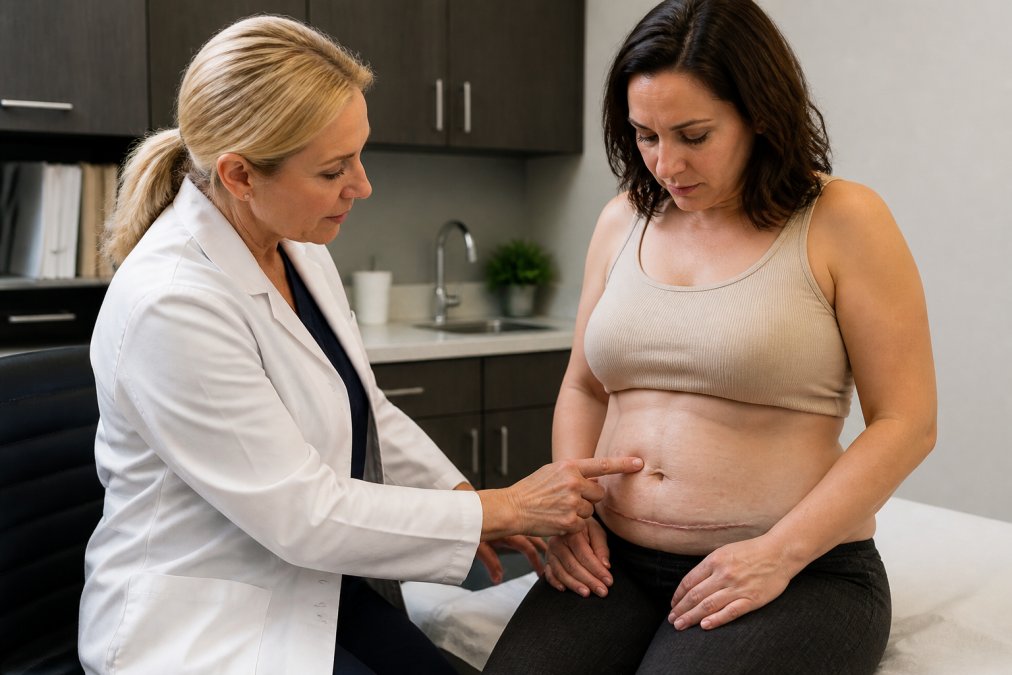
Surgical body contouring (liposuction, tummy tucks, body lifts) removes excess skin and fat permanently, producing dramatic transformations ideal for significant weight loss. However, surgery requires general anesthesia, hospital time, and 2-6 weeks of recovery. Scarring is inevitable, though skilled surgeons minimize visibility.
Non-surgical body contouring uses technologies like radiofrequency, ultrasound, or cryotherapy to reduce fat and tighten skin without incisions. CoolSculpting freezes fat cells, which your body naturally eliminates over weeks. Results develop gradually, typically 8-12 weeks, and you can exercise immediately with no visible recovery signs.
The practical choice depends on several factors. If you've lost significant weight and have excess, loose skin, surgery may deliver the transformation you need. If you're maintaining your weight and want to refine stubborn areas, non-surgical options work well. If you cannot afford weeks away from work, non-surgical is your path. Many patients combine both approaches, using surgery for major contouring and non-surgical treatments for maintenance and refinement.
Benefits of Medically Supervised Aesthetic Care
There's a critical difference between aesthetic treatments performed in medical spas under physician oversight versus those performed in non-medical settings. Medical supervision ensures proper patient assessment, appropriate procedure selection, and immediate management of any complications.
A board-certified physician evaluates your overall health, current medications, and skin condition before recommending treatments. This assessment prevents dangerous combinations and protects your safety. Medically supervised clinics maintain higher standards for equipment calibration, sterility protocols, and product authenticity. You receive genuine, FDA-approved products rather than counterfeit injectables or substandard devices.
Recovery support is another advantage. Medical staff can address unexpected swelling, infection signs, or allergic reactions immediately. You have direct access to your treating physician if concerns develop post-treatment. At Ideal Weight Loss & Cosmetic Center, aesthetic treatments complement medically supervised weight loss and hormone optimization programs, recognizing that lasting confidence comes from addressing health comprehensively.
What to Expect: From Consultation to Recovery
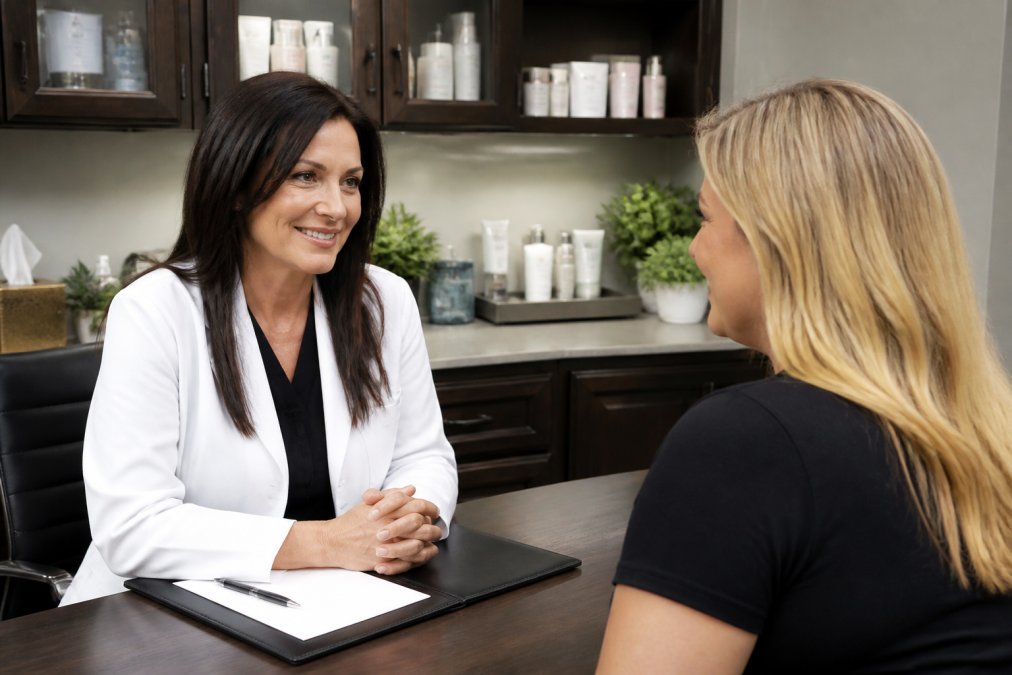
Your Aesthetic Consultation and Customized Plan
Your consultation begins with a thorough discussion of your concerns, goals, and lifestyle. A qualified practitioner examines your skin or body area, assesses your skin type, and discusses realistic outcomes. During this time, the practitioner explains which treatments suit your specific situation. Someone with deep wrinkles may benefit from combining microneedling with injectables, while another patient with early fine lines might start with gentler options.
A customized treatment plan outlines the recommended procedure, expected timeline for results, maintenance frequency, and realistic costs. This plan might involve a single treatment or a series scheduled weeks apart.
During Your Treatment Appointment
Most minimal downtime procedures begin with cleansing and, often, topical numbing cream application. During the treatment, you'll feel pressure, mild heat, or vibration depending on the procedure type. Injectables involve tiny pinches. Microneedling feels like light scratching. Laser treatments produce warmth and occasional snapping sensations. Most patients describe the experience as tolerable, uncomfortable but not painful.
Book your consultation today →
The actual treatment time varies. Botox takes 10-15 minutes. Microneedling takes 30-45 minutes. Laser treatments range from 15-60 minutes depending on area size and intensity.
Post-Treatment Care and Recovery Timeline
Immediately after treatment, you'll receive specific aftercare instructions, typically including avoiding strenuous exercise for 24 hours, applying ice if swelling develops, using gentle cleansers, and applying prescribed skincare products. The first 24 hours matter most, as swelling peaks around this timeframe for most procedures, then gradually subsides.
For injectables, bruising is the main variable. Bruising typically fades within 7-10 days. For microneedling and laser treatments, your skin barrier is temporarily compromised, requiring extra protection. Use sunscreen religiously and avoid active ingredients like retinol or vitamin C for several days. Within a week, your skin fully heals and normal routines resume.
Lunch Break vs. Weekend Treatments: Timing Your Procedure
Lunch break treatments include injectables and non-ablative laser options. You leave work, have the procedure, and return to your desk with minimal visible change. Some redness might appear hours later, but it's subtle enough for makeup to cover.
Weekend treatments include microneedling, fractional ablative laser, and deeper procedures where redness or swelling is more pronounced. These procedures benefit from 48 hours of recovery before returning to professional settings. By Monday, you're presentable, but the signs of treatment remain visible to anyone looking closely.
Consider seasonal timing too. Summer sun exposure complicates recovery for laser and microneedling treatments, which require strict sunscreen use and sun avoidance. Spring and fall offer ideal windows when sun exposure is naturally lower.
Safety, Contraindications, and What to Avoid
Active skin infections, severe eczema, or psoriasis typically contraindicate treatments until resolved. Pregnancy is generally a reason to postpone injectables and most laser treatments. Certain medications that thin blood, like aspirin or blood thinners, increase bruising risk; your practitioner may recommend temporary adjustments.
Unrealistic expectations create problems. A single microneedling session won't erase deep wrinkles developed over decades. Injectables prevent new lines but don't eliminate existing ones completely. Non-surgical body contouring reduces fat but doesn't produce surgical-level transformation.
Aftercare compliance matters significantly. Ignoring sunscreen recommendations after laser treatment risks hyperpigmentation or scarring. Touching treated areas or using active skincare too soon can compromise healing. Choose practitioners carefully. Board-certified physicians and licensed aestheticians with proper training deliver superior results and safer experiences than untrained operators.
Minimal downtime aesthetic treatments have transformed how people approach appearance enhancement, offering real results without derailing your life. Whether you're addressing fine lines, volume loss, skin texture, or stubborn fat deposits, options exist that fit your schedule and comfort level.
The key is matching the right procedure to your specific goals with professional guidance. At Ideal Weight Loss & Cosmetic Center, board-certified physician Dr. Gina Nichols brings over two decades of experience to customizing aesthetic plans that complement your overall health and wellness journey. Our medically supervised approach ensures not just beautiful results, but safe, sustainable ones. Book your consultation today to explore which minimal downtime treatments align with your vision for renewed confidence.
| Treatment Type | Duration | Visible Recovery | Best For |
|---|---|---|---|
| Botox | 10-15 minutes | Minimal | Prevention, expression lines |
| Dermal fillers | 20-30 minutes | 24-48 hours | Volume loss, lips, cheeks |
| Microneedling | 30-45 minutes | 24-48 hours | Texture, scars, fine lines |
| Non-ablative laser | 15-30 minutes | Minimal to mild | Pigmentation, fine lines |
| Fractional ablative laser | 20-60 minutes | 3-5 days | Deep wrinkles, scars |
| CoolSculpting | 25-60 minutes | None | Stubborn fat reduction |
FDA guidance on dermal fillers and injectables
American Board of Cosmetic Surgery standards for board certification
Clinical research on microneedling efficacy and collagen induction
Frequently Asked Questions
What are the most effective minimal downtime aesthetic treatments for skin rejuvenation?
The most effective minimal downtime aesthetic treatments include microneedling for collagen induction, fractional laser resurfacing for skin texture and fine lines, and injectables like Botox and dermal fillers. Each addresses specific concerns, wrinkle reduction, hyperpigmentation, or skin laxity, with recovery times ranging from same-day to a few days. Results depend on your skin goals and current condition. A board-certified physician can recommend the best combination tailored to your needs during a consultation.
How long is the recovery period for non-surgical skin rejuvenation treatments?
Recovery time for laser skin resurfacing typically ranges from 3 to 7 days for non-ablative options, with redness and mild swelling subsiding within that window. Microneedling usually requires 24 to 48 hours of downtime, with skin barrier recovery supported by proper post-treatment care. Injectables like Botox have minimal recovery, most patients return to normal activities immediately, though slight swelling may occur. Medically supervised aesthetic care ensures you receive realistic timelines and proper aftercare instructions specific to your treatment.
Are non-surgical body contouring results permanent?
Non-surgical body contouring results are not permanent but can be long-lasting when combined with a healthy lifestyle. Results typically last 6 months to 2 years depending on the treatment type and your body's response. Unlike surgical alternatives, non-surgical options allow for gradual refinement through maintenance treatments. A customized treatment plan from a board-certified physician can outline expected longevity and maintenance schedules to help you maintain your desired appearance over time.
Can I return to work immediately after minimal downtime aesthetic treatments?
Most minimal downtime aesthetic treatments allow you to return to work the same day or next day. Lunch break treatments like certain injectables have zero downtime, while microneedling and non-ablative laser resurfacing may require 24 to 48 hours before returning to full activity. Topical anesthesia and advanced techniques minimize swelling and redness. Your physician will provide specific post-treatment recovery guidelines based on your procedure, ensuring you can plan your schedule accordingly and maintain your professional commitments.