 how-to
How to Tell If You Are a Candidate for Body Contouring
Table of Contents
- What Makes Someone a Body Contouring Candidate?
- Weight Stability and Body Mass Index
- Skin Quality and Elasticity
- The Benefits of Body Contouring After Weight Loss
- Preparing for Your Body Contouring Consultation
- Non-Surgical Body Contouring Recovery Time: What to Expect
- Medical Conditions That May Rule You Out
- Common Mistakes People Make When Self-Assessing
- Conclusion
- Frequently Asked Questions
Last Updated: September 22, 2026
What Makes Someone a Body Contouring Candidate?
If you want to know how to tell if you are a candidate for body contouring, the short answer: you likely qualify if your weight has been stable for several months, you are near your goal weight, and you have stubborn fat or loose skin that has not responded to diet and exercise. Body contouring is not a weight loss treatment, it is a shaping treatment.
Weight Stability and Body Mass Index
Weight stability is the single most important factor. Most providers want your weight within a narrow range for at least three to six months before treatment; if it is still dropping or climbing, contouring results will not hold.
Key numbers most clinics look for:
- Weight stable for three to six months
- BMI under roughly 30
- No planned weight loss surgery in the next year
- No pregnancy or plans to become pregnant soon
Skin Quality and Elasticity
Skin quality is the second pillar of candidacy, and the one patients most often misjudge. Good elasticity lets tissue redrape smoothly after fat is removed or reshaped; poor elasticity means skin may hang loose no matter how well the treatment performs.
Why Elasticity Matters: The Mechanism
Skin gets its snap-back from collagen, which provides structural support, and elastin, which lets skin stretch and return. Both decline with age and are damaged by UV exposure, smoking, and rapid weight fluctuations. When fat is reduced beneath skin with healthy collagen and elastin, the skin contracts to the new contour; when those proteins are depleted, laxity becomes more visible.
What Affects Skin Laxity
- Age. Collagen production drops measurably by the mid-30s and continues declining. Older skin is not automatically disqualifying, but expectations should shift.
- Genetics. Some people have inherently thicker, more elastic skin; others do not. Family history of loose skin after weight loss is a useful clue.
- Sun damage. Chronic UV exposure breaks down collagen and elastin, so sun-exposed abdominal and arm skin behaves differently than protected skin.
- Smoking. Nicotine constricts blood vessels and reduces oxygen delivery to skin, impairing healing and elasticity. Most providers advise stopping well before treatment.
- Weight loss history. The amount lost and the speed of loss both matter. Losing a large amount quickly often leaves more laxity than losing the same amount gradually.
- Prior pregnancies. Repeated stretching of the abdominal skin can reduce recoil, particularly after multiple pregnancies or pregnancies with significant weight gain.
A More Useful At-Home Check
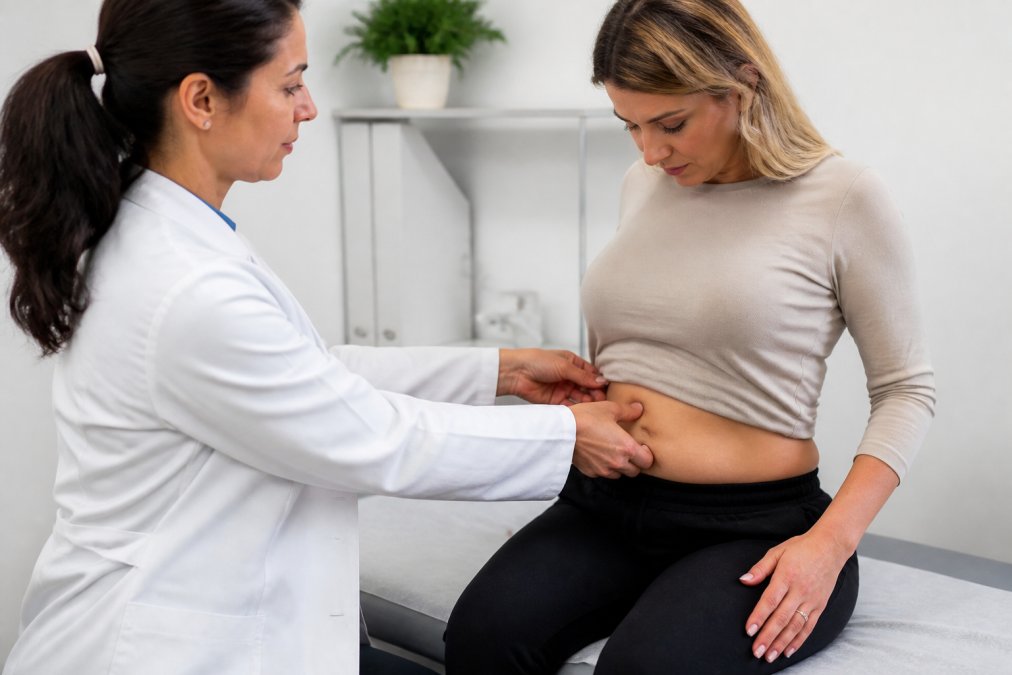
The pinch test is a starting point, not a verdict. Pinch the skin on your upper arm or lower abdomen and let go. If it snaps back immediately, elasticity is likely reasonable; if it stays tented, feels thin, or looks crepey, laxity is probably a factor.
How Laxity Changes the Plan by Treatment Type
- Fat-reduction treatments (cryolipolysis, laser fat reduction, ultrasound) work best on skin with reasonable recoil. On lax skin, they can leave the area looking deflated rather than contoured.
- Radiofrequency and other energy-based skin-tightening treatments are often paired with fat reduction to address mild to moderate laxity by stimulating collagen remodeling over time.
- Surgical options such as abdominoplasty or arm lift remove excess skin outright and are typically the better fit when laxity is significant. Non-surgical treatments cannot replicate that degree of skin removal.
This is where a real consultation beats any online quiz: a provider can assess tissue quality in person, grade laxity, and tell you what to expect from each option.
The Benefits of Body Contouring After Weight Loss
The benefits of body contouring after weight loss go beyond appearance. After significant weight loss, many people are left with stubborn fat pockets and loose skin that diet and exercise cannot fix; contouring targets those areas.
Common treatment zones include:
- Abdomen and flanks
- Upper arms
- Thighs
- Under the chin
Preparing for Your Body Contouring Consultation
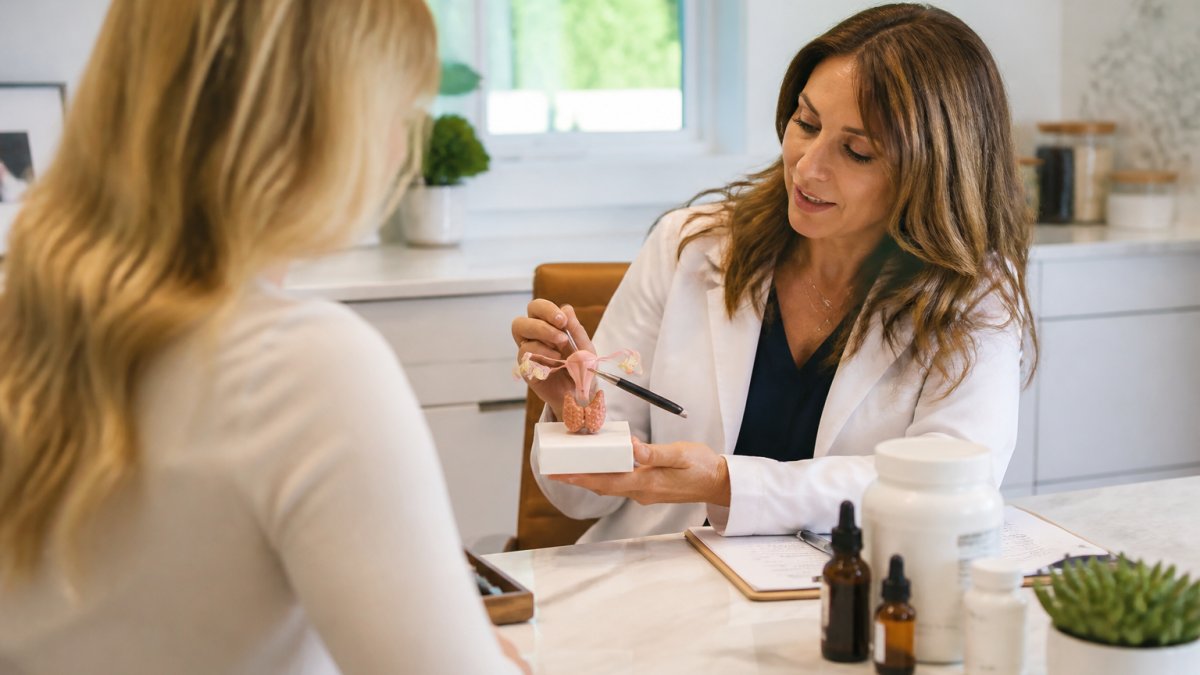
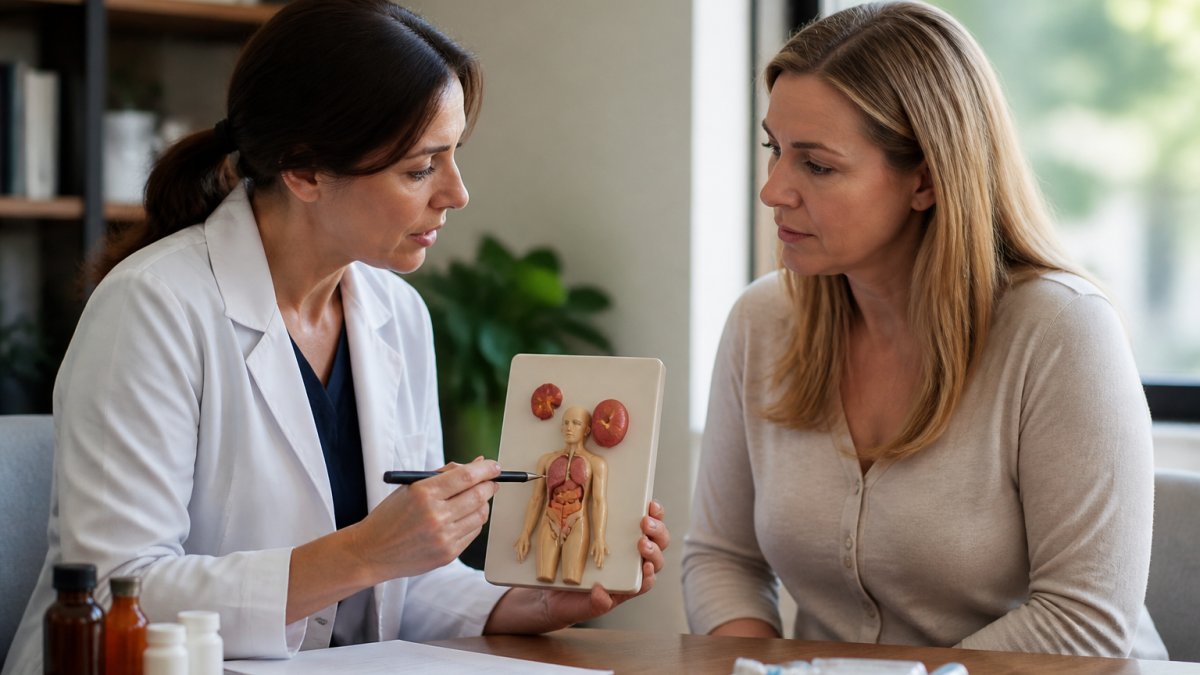
Preparing for your body contouring consultation makes the visit far more useful. Bring the right information, ask the right questions, and you will leave with a clear plan instead of vague promises.

Questions to Ask and What to Bring
Bring a short list to keep the conversation focused and avoid forgetting the important details.
What to bring:
- A written list of your current medications and supplements
- Your weight history for the past year
- Photos of your goal areas (optional but helpful)
- A list of past surgeries or procedures
Questions to ask:
- Am I a good candidate based on my weight and skin?
- What results are realistic for my body?
- How many sessions will I likely need?
- What are the risks and side effects?
- What does recovery look like day by day?
- Who performs the treatment, and what are their credentials?
Non-Surgical Body Contouring Recovery Time: What to Expect
Non-surgical body contouring recovery time is usually short: most people return to normal daily activities the same day or the next, the main appeal over surgery.
Book your consultation today →
Typical recovery by procedure type:
| Procedure Type | Typical Downtime | Common Side Effects | When to Resume Exercise |
|---|---|---|---|
| Fat-freezing (cryolipolysis) | None to 1 day | Redness, numbness, mild soreness | 1-3 days |
| Radiofrequency | None to 1 day | Warmth, mild swelling | 1-2 days |
| Ultrasound | None | Mild tenderness | 1-2 days |
| Laser fat reduction | 1-2 days | Swelling, bruising | 3-5 days |
A few things to expect during recovery:
- Mild swelling and soreness in the treated area
- Skin that feels numb or tingly for a short time
- Results that appear gradually over several weeks
Medical Conditions That May Rule You Out
Certain medical conditions can make body contouring unsafe, ineffective, or both. A provider screens for these during the consultation, the step that separates a safe result from a preventable complication.
Absolute Contraindications
These generally stop treatment until the situation resolves:
- Pregnancy or breastfeeding. Treatment is deferred. There is no established safety data for these devices during pregnancy, and the body is changing too rapidly for stable results.
- Active infection in the treatment area. Treating over an active infection risks spreading it and impairs healing.
- Active cancer or cancer currently under treatment. Some therapies affect tissue healing and immune response. Timing is coordinated with the treating oncologist.
- Blood clotting disorders or current use of certain anticoagulants. These raise the risk of bruising and hematoma, particularly with treatments that involve any trauma to tissue.
- Severe liver or kidney disease. These organs clear waste products and support healing. Significant impairment changes how the body responds to treatment.
Relative Contraindications and How They Are Managed
These do not automatically disqualify you. They change the plan:
- Poorly controlled diabetes. Elevated blood sugar impairs wound healing and raises infection risk (pubmed.ncbi.nlm.nih.gov). When diabetes is well managed, many providers proceed with added monitoring; when it is not, the priority is getting it under control first.
- Thyroid disorders. Thyroid hormones influence metabolism and healing, so an untreated or unstable thyroid condition can affect results and recovery. Once levels are stable on medication, candidacy often improves.
- Hormone imbalances. Estrogen, testosterone, and cortisol all influence fat distribution and skin quality, so an imbalance can work against your results. This is one reason a full medical review matters more than a device demo.
- Autoimmune conditions. Depending on the condition and medications used to treat it, the plan may need adjustment, since some immunosuppressive medications slow healing.
- History of keloid scarring. This does not rule out non-surgical treatments, which do not create incisions, but it is relevant if any surgical option is on the table.
- Body dysmorphic disorder or significant body image distress. A responsible provider screens for this, since contouring does not resolve underlying body image concerns and can worsen them if expectations are not realistic.
Why a Full Medical Review Matters
If you have a chronic condition, bring your records and ask how it affects your candidacy. An honest provider will tell you when to wait and what needs to change first.
Common Mistakes People Make When Self-Assessing
The biggest mistake is treating an online quiz as a diagnosis. Self-assessment tools give a rough idea but cannot judge skin quality, medical history, or realistic outcomes.
Other common mistakes:
- Booking a consult during active weight loss
- Assuming contouring will replace weight loss
- Ignoring skin laxity and expecting tight results
- Skipping the medical history review
- Choosing a provider based on price alone
Conclusion
Figuring out how to tell if you are a candidate for body contouring comes down to a few honest questions about your weight, skin, and health. If your weight is stable, your skin is in good shape, and you have no conditions that rule you out, you are likely a good fit. If not, there is often a path to get there.
Frequently Asked Questions
What are the potential downsides of body contouring?
Non-surgical body contouring can cause temporary swelling, bruising, soreness, and skin sensitivity in the treated area. Results vary based on skin laxity, body mass index, and how closely you follow post-treatment instructions. Some people need multiple sessions to see noticeable changes. Rare complications include seroma or hematoma, which require medical attention. A consultation helps you understand the realistic risks for your situation.
How painful is body contouring?
Most non-surgical body contouring treatments cause mild discomfort during the procedure, often described as warmth, pulling, or a tingling sensation. Afterward, soreness similar to post-workout muscle ache is common and usually fades within a few days. Over-the-counter pain relief is often enough. If you experience severe or worsening pain, contact your provider, as this may signal a complication that needs evaluation.
Is body sculpting really worth it?
Whether body contouring is worth it depends on your goals and expectations. It works best for people near their target weight who have stubborn fat pockets that resist diet and exercise. It is not a weight loss method. If you have significant weight to lose or loose skin from major weight loss, a medical weight management program may be a better starting point. A consultation can clarify which approach fits your body.
What is the difference between weight loss and body contouring?
Weight loss reduces overall body mass through diet, exercise, or medical programs like GLP-1 medications. Body contouring reshapes specific areas by reducing stubborn fat or tightening skin, but it does not produce significant weight loss. Many people combine both: they lose weight first, then use contouring to refine their shape. Your body mass index and weight stability are key factors in deciding when contouring makes sense.