 How-to
How to Sleep Comfortably After Body Contouring
Quick Summary
The safest way to learn how to sleep comfortably after body contouring is to lie mostly on your back with your upper body slightly raised and your knees supported, which reduces pressure on treated areas and helps manage swelling. Side sleeping is added only when your surgeon approves, and your care team's instructions always come first.
- Back sleeping is often recommended for several weeks after liposuction, depending on the areas treated.
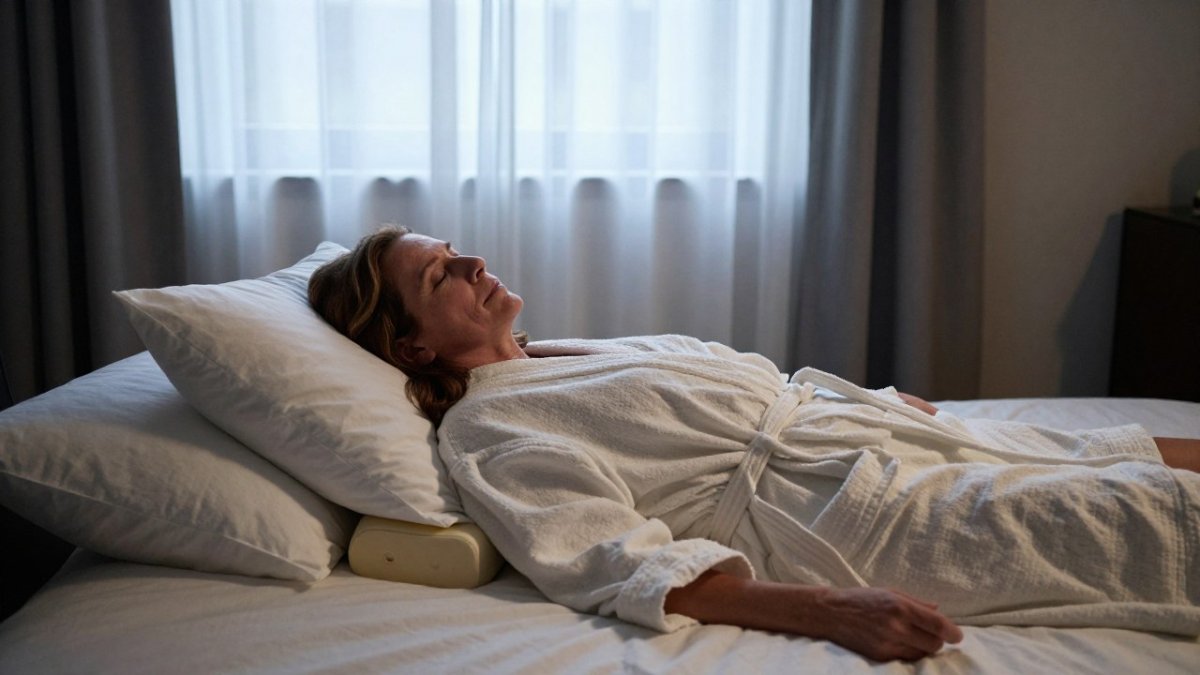
- A wedge pillow can keep the chest and head slightly raised to support upper-body elevation.
- A pillow under the knees may ease tension on the lower abdomen after a tummy tuck.
- Roll onto your side in stages, bending the knees first, and ask your surgeon before side sleeping.
- Contact your care team promptly for fever, incision redness or drainage, or calf pain in one leg.
Table of Contents
- Why Sleep Position Matters in the Weeks After Body Contouring
- How to Sleep After Lipo 360: Positioning by Treated Area
- Sleeping Positions After Tummy Tuck and Abdominal Procedures
- How Long to Sleep on Your Back After Liposuction
- Setting Up a Supportive Sleep Environment: Pillows, Wedges and Adjustable Beds
- A Recovery Timeline: What Changes Week by Week
- When Pain or Swelling Keeps You Awake: Safe Options and Red Flags
- Booking Your Post-Procedure Check-In at Ideal Weight Loss & Cosmetic Center
- Frequently Asked Questions
Sleep position matters more than most people expect, and learning how to sleep comfortably after body contouring can make the first weeks of recovery far easier. The way you lie down can affect swelling, pressure on treated areas, and how comfortable you feel through the night. This guide is intended to help adults in Columbus, Reynoldsburg, and Pickerington understand the basics before they go home from a procedure.
The right position depends on what was treated. Some procedures call for more back sleeping, while others allow some side lying. Your surgeon's instructions always come first. This guide explains the general principles and common approaches so you can ask better questions at your follow-up visit.
Why Sleep Position Matters in the Weeks After Body Contouring
Sleep is when your body does much of its healing (Cell Injury and Repair Resulting from Sleep Loss and Sleep Recovery in Laboratory Rats). Lying in a position that keeps pressure off treated areas is a key part of learning how to sleep comfortably after body contouring during the first weeks.
Pressure is the main concern. Many people find that lying on the front or sides puts weight on incisions, drains, or tender tissue.
Swelling is the second concern. Gentle elevation of the upper body can help fluid move away from the lower body.
Quality sleep also supports recovery. A restless night can leave you tired, sore, and less able to follow your care plan.
- Keep pressure off incisions and treated areas
- Support the upper body to help manage swelling
- Protect the quality of your sleep during recovery
How to Sleep After Lipo 360: Positioning by Treated Area
Some body contouring procedures treat several areas of the torso in one session, so positioning may need to account for more than one zone.
Multi-area torso contouring (abdomen, flanks, and back): Back sleeping on a supportive surface is often the starting point. Your surgeon may ask you to stay slightly raised.
Flank or midsection liposuction: When the flanks are the main treated area, back sleeping with a slight recline keeps weight off the sides of the torso.
Body lift or combined procedures: A body lift usually involves incisions around the torso and sometimes the thighs, so pressure points multiply.
Arm or thigh contouring: These procedures may allow more flexibility than torso surgery, but the treated limb still needs protection. Back sleeping remains the safest default.
Each person heals differently. Ask your care team exactly which positions are safe for your specific treatment plan, and revisit the question at each follow-up as swelling settles.
Quick positioning guide:
- Back: Usually the preferred starting position for most procedures
- Slight recline: Helpful for managing swelling after torso procedures
- Side: Only if your surgeon allows it; support the top limb and keep a pillow between the knees
- Stomach: Generally avoided early in recovery
Sleeping Positions After Tummy Tuck and Abdominal Procedures
A tummy tuck works on the abdominal wall and often involves a significant incision. Sleep position in the first weeks usually focuses on taking strain off the abdomen.
Some patients sleep with the knees bent and supported. A pillow under the knees may ease tension on the lower abdomen.
Raising the upper body slightly is also a common approach your surgeon may recommend.
Rolling over in bed can cause discomfort. Some people find it easier to roll onto their side in stages, bending the knees first and using the arms for support. Ask your surgeon before trying side sleeping.
Getting out of bed safely matters too. Some care teams suggest logrolling, which means turning onto your side as one unit and using your arms to push up to sitting.
How Long to Sleep on Your Back After Liposuction
Back sleeping is often recommended for several weeks after liposuction. The exact length of time depends on the areas treated, the extent of the procedure, and how you heal.
Some surgeons ask patients to sleep on their back for a period of time after surgery. After that, some people slowly add side sleeping as comfort and surgeon approval allow. Others may need more time.
Do not decide on your own when to change positions. Your care team can tell you when it is safe to make the change. If you have questions about a particular position, call the clinic before trying it.
Keep a simple sleep log during recovery. Note how you slept, how much swelling you noticed, and any discomfort. This record can help you discuss your progress with your provider.
- Plan for back sleeping in the early weeks unless told otherwise
- Add side sleeping only after your surgeon approves
- Report new or worsening pain during sleep
Setting Up a Supportive Sleep Environment: Pillows, Wedges and Adjustable Beds
Your bed setup can make back sleeping much easier. Small changes to pillows and bedding often make a noticeable difference.

A wedge pillow can support a reclined upper body by keeping the chest and head slightly raised.
An adjustable bed is another option for those who have one. Not everyone has access to one, but a wedge pillow and extra pillows can achieve something similar. (Source: aesthetic procedures in the United States)
Keep your sleep area easy to reach. Place water, a phone charger, and any prescribed items within arm's reach to avoid strain getting up at night.
- Use a wedge pillow for upper-body elevation
- Choose a supportive mattress that keeps the spine straight
- Keep essentials close to the bed to avoid reaching or twisting
Pillow Placement for the Knees and Lower Back
Pillow placement can ease pressure on the lower back and abdomen. A pillow under the knees can keep the legs slightly bent.
Place a small rolled towel or lumbar pillow under the lower back if you feel a gap while lying down. This supports the natural curve of the spine and can make back sleeping more comfortable.
Avoid placing pillows directly on incisions or drain sites. Ask your care team how to support these areas safely.
Check your position each night. If you wake up sore or stiff, adjust your pillows and try again.
A Recovery Timeline: What Changes Week by Week
Recovery varies from person to person. The timeline below describes commonly reported changes and how sleep positioning may shift along with them.
Days one to three: Swelling and soreness are usually at their peak, and drains, if you have them, are still in place.
Week one: Rest remains the priority, but gentle movement around the home is often encouraged. Back sleeping with elevation continues.
Week two: Comfort often improves enough that some patients begin short walks and carefully test new positions, with surgeon approval. Many surgeons still ask for back sleeping at this stage.
Weeks three and four: Many people feel more mobile, and swelling may begin to settle. Sleep positions may expand slowly, but the treated areas can still be tender. Some people add side sleeping for part of the night and return to the back if discomfort increases.
Weeks five to eight: Swelling often decreases over this period, and some surgeons may allow changes in sleep position.
Two to six months and beyond: Final results can take several months to appear as swelling settles. Sleep positioning is usually unrestricted by this stage, but residual tightness or numbness can still affect comfort. Mention any persistent sleep problems at your follow-up visits.
Share your progress with your provider at each follow-up. Milestones like these can help your care team judge your progress.
Watch out: A timeline is a guide, not a clearance.
The timeline below summarises the commonly reported stages of recovery and how sleep positioning typically shifts across them.
| Stage | Typical sleep position | Key note |
|---|---|---|
| Days one to three | Back, upper body elevated, knees supported | Swelling and soreness usually at peak |
| Week one | Back sleeping with elevation continues | Pain typically starts to ease |
| Week two | Back sleeping, side only if surgeon allows | Start side sleeping with short stretches |
| Weeks three and four | Positions may expand slowly | Treated areas can still be tender |
| Weeks five to eight | Changes may be allowed | Some surgeons wait longer after body lift or tummy tuck |
| Two to six months and beyond | Usually unrestricted | Residual tightness or numbness can persist |
When Pain or Swelling Keeps You Awake: Safe Options and Red Flags
Some discomfort is normal after body contouring. Pain or swelling that keeps you awake, or that gets worse over time, needs attention.
Follow the pain plan your surgeon gave you. Take any prescribed medication only as directed. Do not combine sleep aids or other medications without checking with your provider first.
Contact your care team promptly if you notice any of these warning signs:
- Fever or chills
- Redness, warmth, or drainage at an incision
- Swelling that suddenly increases or becomes lopsided
- Severe or worsening pain that does not respond to your plan
- Difficulty breathing or chest pain
- Calf pain or swelling in one leg
These symptoms can signal a complication. Seek emergency care right away if you have trouble breathing, chest pain, or heavy bleeding.
Sleep problems can also come from stress or a disrupted routine. Ask your provider about safe, practical ways to rest better during recovery.
Booking Your Post-Procedure Check-In at Ideal Weight Loss & Cosmetic Center
A follow-up visit is one of the best ways to make sure your recovery is on track. Your care team can review your sleep positions, pain levels, and swelling at each stage.
Bring your sleep log and a list of questions to your visit. Be ready to describe any changes in comfort or new symptoms.
If you have concerns between visits, call the clinic. Early questions are easier to answer than late complications.
Book your consultation today to discuss your recovery plan with the Ideal Weight Loss & Cosmetic Center team.
Frequently Asked Questions
When can I sleep on my side after body contouring?
Side sleeping is usually restricted for a period after body contouring because pressure on treated areas and incisions can slow comfort and healing. Timing depends on which procedure you had and how your surgeon has closed and supported the treated areas, so there is no single universal date. Follow the written instructions from your provider and ask at your post-procedure visit when side sleeping is allowed. Until then, a supportive pillow or wedge can help you stay in a back-based or reclined position.
When can I stop walking hunched over after a tummy tuck?
Many people gradually stand more upright over the first several weeks as swelling decreases. Early on, a slight forward bend is common and often more comfortable because it reduces tension on the incision. Gentle walking is encouraged to support circulation, but the pace of improvement varies. If you notice worsening pain, new redness, or drainage, contact your provider rather than pushing through discomfort.
Can I use a recliner to sleep after body contouring?
A recliner or adjustable bed set at a slight incline may make it easier to keep your upper body elevated, and some people find it more comfortable than lying flat. Choose a position that keeps your torso supported without placing pressure on the treated area. Confirm with your provider before using a recliner, since the appropriate angle and duration depend on your specific procedure. Do not sit in one position for hours without moving your legs.
What should I do if discomfort keeps me from sleeping?
Start by checking your position, pillow support, and room temperature, and use any prescribed pain medication exactly as directed. Avoid combining sleep aids or over-the-counter drugs with prescribed medication unless your provider has approved it. Light relaxation techniques, a consistent bedtime routine, and short gentle walks earlier in the day can help. If pain is severe, worsening, or accompanied by fever, chest pain, shortness of breath, or leg swelling and tenderness, seek medical care promptly.