 how-to
How to Manage Hunger While Starting GLP-1 Medications
Table of Contents
- Why Hunger Still Happens in the First Weeks of GLP-1 Treatment
- The GLP-1 Appetite Suppression Timeline: What to Expect Week by Week
- Foods to Eat While Taking GLP-1 Medications When Hunger Strikes
- Protein Intake While Taking GLP-1: Your First Line of Defense Against Hunger
- Hydration Tips for GLP-1 Medications: When Thirst Masquerades as Hunger
- How to Manage Hunger Through Meal Timing, Portions, and Dose Conversations
- When to Contact Your Provider About Persistent Hunger or Side Effects
- Conclusion: Building Habits That Outlast the Adjustment Period
- Frequently Asked Questions
Last Updated: October 6, 2026
Why Hunger Still Happens in the First Weeks of GLP-1 Treatment
Hunger during the first weeks of GLP-1 treatment is common, and it does not mean the medication is failing. GLP-1 medications work by slowing stomach emptying and signaling fullness to the brain, but that effect builds gradually.
The first weeks are an adjustment phase. The body is learning a new set of signals, and the dose is often still low.
A common mistake is assuming early hunger means the drug is not working. In practice, it usually means the dose is still ramping up. Knowing the timeline helps you plan meals, protein, and hydration instead of guessing.
The GLP-1 Appetite Suppression Timeline: What to Expect Week by Week
The GLP-1 appetite suppression timeline varies by person, but the shape of it is predictable because it tracks the dose-escalation schedule your prescriber follows.
Most prescribers start at a low dose specifically to let the gut and brain adapt. The label schedules for the two most commonly prescribed agents, semaglutide (Ozempic, Wegovy) and tirzepatide (Mounjaro, Zepbound), escalate roughly every four weeks. That means the dose you feel in week one is often a fraction of the dose you will feel in week eight.
Weeks 1-2: The Adjustment Phase
Expect mild to moderate appetite changes at best. Gastric emptying slows somewhat, but the fullness signal is still weak, and many people feel hunger more sharply because nausea or low intake leaves them underfed. Side effects like nausea, constipation, burping, and fatigue are common here.
A pattern many patients notice: hunger is loudest in the late afternoon and evening, when the morning dose's effect has faded and the next meal is hours away. A planned protein snack around 3 or 4 p.m. often blunts that window more effectively than willpower.
Weeks 3-4: The First Real Shift
As the dose steps up, gastric emptying slows further and fullness arrives earlier in a meal. Portions that once felt small now feel satisfying. Hunger between meals usually starts to fade, though it can still spike on days when you slept poorly, skipped protein, or drank too little. This is the week to lock in habits, protein first, fluids between meals, consistent meal times, because the appetite window is closing and nutrition quality matters more than quantity.
Weeks 5-8: Building Steady Suppression
Fullness signals become reliable. Many people find they can eat a palm-sized portion of protein plus vegetables and feel done. Hunger between meals often fades to a mild cue rather than a driving urge.
If hunger is still intense at week eight on a stable dose, that is a clinical conversation, not a personal failing. Your provider may review the dose, check for blood sugar swings, or look at other contributors such as sleep, stress, or thyroid function.
| Phase | What Hunger Feels Like | What Helps Most |
|---|---|---|
| Weeks 1-2 | Frequent hunger, possible nausea, evening spikes | Small meals, slow eating, afternoon protein snack |
| Weeks 3-4 | Hunger easing, fullness rising, occasional spikes | Protein at every meal, steady fluids, consistent timing |
| Weeks 5-8 | Steady suppression, smaller portions feel filling | Protein target, dose review with provider if hunger persists |
Foods to Eat While Taking GLP-1 Medications When Hunger Strikes
When hunger hits, reach for protein and fiber first. Foods to eat while taking GLP-1 medications should be nutrient-dense and easy on the stomach, because you are eating less and every bite needs to count. Heavy, greasy, or very sweet foods tend to worsen nausea and reflux.
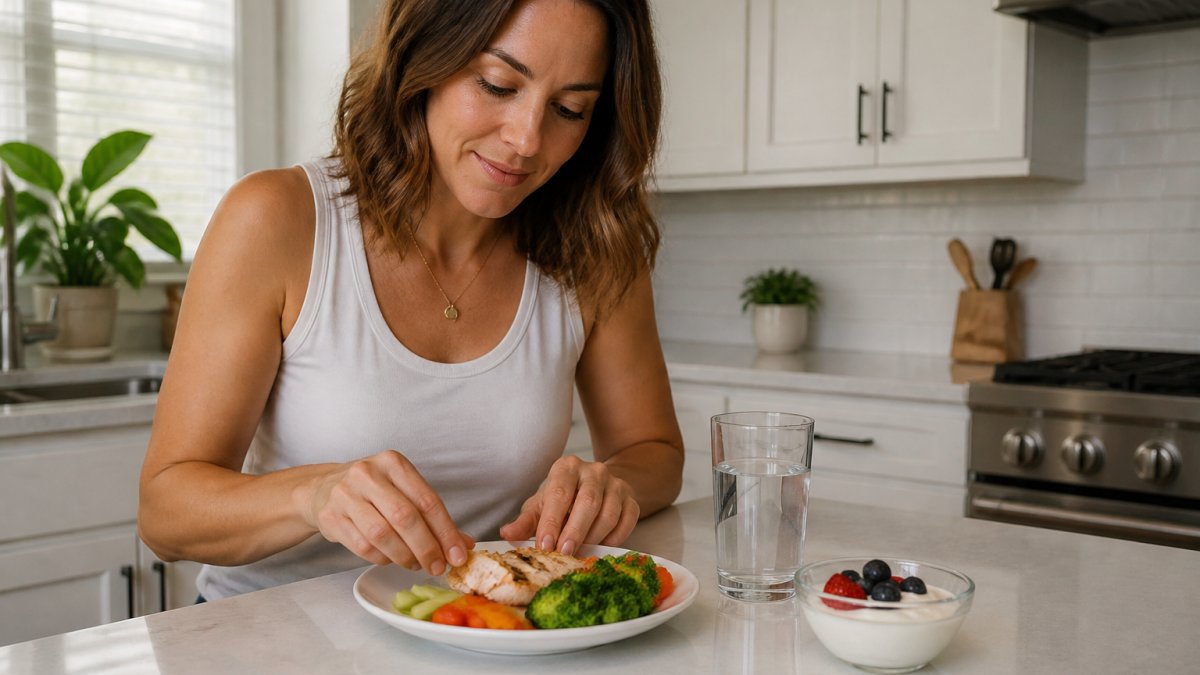
Good options when hunger strikes:
- Greek yogurt or cottage cheese
- Hard-boiled eggs or sliced turkey
- Lentils, beans, or edamame
- Cooked vegetables and soft fruit
- Broth-based soups with added protein
Protein Intake While Taking GLP-1: Your First Line of Defense Against Hunger
Protein intake while taking GLP-1 is the strongest tool you have against both hunger and muscle loss. When you eat less overall, your body can break down muscle for energy. Protein protects lean mass and keeps you fuller between meals.
How Much Protein You Actually Need
Most adults do best with a protein source at every meal and a target set with their provider. A common approach is to aim for a palm-sized portion of protein three times a day, plus a protein-rich snack. Exact needs depend on body weight, activity, and health history, so confirm your target at a consultation rather than guessing.
Easy Protein Sources When Your Appetite Is Low
- Protein shakes or clear protein drinks
- Greek yogurt with a scoop of unflavored protein
- Eggs, tuna, or chicken in small portions
- Cottage cheese with soft fruit
- Bone broth with added protein powder
Hydration Tips for GLP-1 Medications: When Thirst Masquerades as Hunger
Hydration tips for GLP-1 medications matter more than most people expect, because thirst often feels like hunger. GLP-1 drugs slow stomach emptying, so drinking large amounts at once can cause nausea. Sip steadily through the day instead of gulping at meals.
Try these habits:
- Keep a water bottle within reach all day
- Sip 4 to 8 ounces every hour
- Add electrolytes if you feel lightheaded
- Drink most fluids between meals, not during them
- Watch for dark urine and dry mouth as dehydration signs
According to CDC guidance on healthy hydration, plain water is the best default, and unsweetened drinks can help meet daily fluid needs. When a craving hits, drink a glass of water and wait ten minutes. Many people find the "hunger" fades.
Book your consultation today →
How to Manage Hunger Through Meal Timing, Portions, and Dose Conversations
How to manage hunger comes down to three levers: when you eat, how much you eat, and what your dose is doing. The first two are habits you control. The third is a clinical decision, and the gap most patients fall into is treating hunger as a willpower problem when it is often a dosing or timing problem.
Meal timing that actually blunts hunger
Long gaps between meals let hunger build, and on a GLP-1 the buildup can feel sudden because the medication is also slowing digestion. A workable pattern for most people is three small meals plus one or two planned snacks, spaced no more than four hours apart during waking hours. Front-load protein: a protein-forward breakfast within an hour of waking tends to reduce afternoon hunger more than the same calories eaten later.
Portions without the guesswork
Portion control gets easier when you stop aiming for a "normal" plate. Use smaller plates, serve half of what you think you want, and stop at the first sign of fullness, on these medications, fullness arrives late, so the cue you feel now is often the cue you should have stopped at two bites ago. Do not force a full plate. If you cannot finish, save the rest; the goal is nutrient density, not volume.
The dose conversation you should actually have
Dose conversations belong with your provider, and they go better when you bring specifics. Before your next visit, note three things: the days and times hunger is strongest, what you ate in the two hours before it hit, and whether the pattern changed after your last dose increase.
Questions worth asking at that visit:
- Am I on the standard escalation schedule for my medication, or has it been adjusted?
- Is my current dose the target maintenance dose, or are we still titrating?
- Could any of my other medications or health conditions be contributing to hunger?
- If hunger persists at the target dose, what are the next options?
Never adjust a prescription on your own. The FDA information on GLP-1 medications notes that these drugs are prescription-only and should be used under medical supervision.
When hunger is not the real signal
Sometimes what feels like hunger is thirst, low blood sugar, poor sleep, or stress. Before you eat, try a glass of water and a ten-minute pause. If the feeling fades, it was not hunger. If it does not, eat, preferably protein first. Tracking these episodes for a week usually reveals a pattern, and patterns are what your provider can work with.
When to Contact Your Provider About Persistent Hunger or Side Effects
Call your provider if hunger stays intense past week eight, if you cannot keep fluids down, or if you have severe or lasting nausea, vomiting, or abdominal pain.
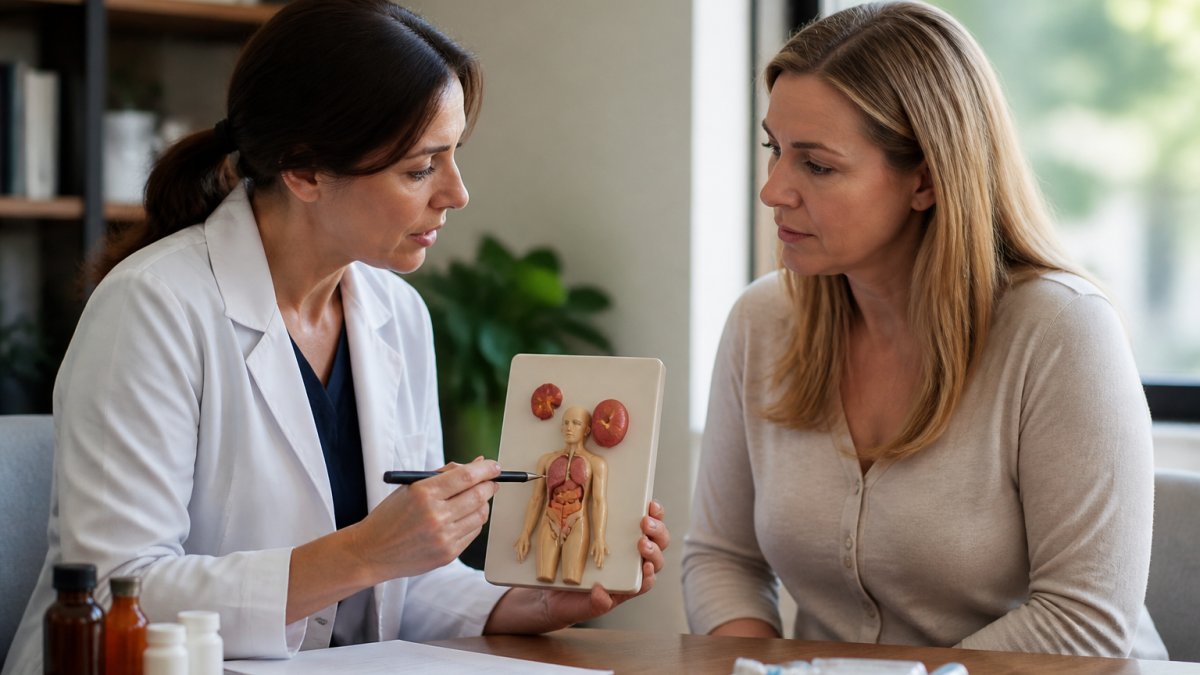
Also reach out if you are losing weight too fast, feeling faint, or struggling to eat enough protein. A board-certified physician can review your dose, adjust your plan, and check for other causes of hunger such as blood sugar swings or hormone imbalances.
At Ideal Weight Loss & Cosmetic Center, care is led by board-certified physician Dr. Gina Nichols, whose team builds personalized plans that combine GLP-1 medications with diet, metabolic support, and hormone optimization.
Conclusion: Building Habits That Outlast the Adjustment Period
The habits you build in the first eight weeks, protein at every meal, steady hydration, and consistent timing, are the same habits that protect your results long after the adjustment phase ends. Hunger will not disappear overnight, but it becomes manageable with the right plan and the right support.
If hunger is making treatment harder than it should be, Ideal Weight Loss & Cosmetic Center can help. Patients get personalized treatment plans, medically supervised GLP-1 care, and hormone optimization from a board-certified physician, all tailored to individual needs. Book your consultation today and build a plan that lasts.
Frequently Asked Questions
Is it normal to feel hungry when starting a GLP-1 medication?
Yes. Most GLP-1 medications start at a low dose so your body can adjust, which means appetite suppression builds gradually rather than overnight. Hunger in the first one to two weeks is expected and does not mean the medication is failing. Your provider typically increases the dose over time based on your response and tolerance. Focus on protein, fluids, and regular small meals during this window, and track your hunger patterns to share at your next follow-up visit.
How long does it take for a GLP-1 medication to reduce appetite?
The GLP-1 appetite suppression timeline varies by person and medication. Many patients notice reduced hunger within the first one to two weeks, but meaningful, consistent appetite control often develops over four to eight weeks as the dose is adjusted. Some people feel effects sooner; others need a higher dose before hunger quiets down. Your care team can help you understand what is typical for your specific prescription and adjust the plan if progress stalls.
Can dehydration feel like hunger while taking a GLP-1?
Yes. Thirst and hunger signals can feel similar, and GLP-1 medications may reduce your desire to drink as well as eat. Before reaching for a snack, try a full glass of water and wait 15 to 20 minutes. Keeping a water bottle visible, sipping throughout the day, and watching for dark urine or dry mouth can help you catch dehydration early. If you struggle to drink enough, ask your provider about strategies tailored to your routine.
Should I change my GLP-1 dose if I am still hungry?
Never adjust your dose on your own. Dose changes are based on your provider's assessment of your response, side effects, and overall health. If hunger remains strong after the adjustment period, bring it up at your next visit. Your provider may review your titration schedule, discuss protein and hydration habits, or evaluate whether a different dose or medication is appropriate. Self-adjusting can increase side effects and undermine your results.