 how-to
Managing GLP-1 Side Effects: A Step-by-Step Guide
Table of Contents
- Understanding GLP-1 Side Effects and Why They Occur
- Managing Nausea and Vomiting
- Foods to Avoid on GLP-1 Medication
- Addressing Constipation and Diarrhea
- How Long Do GLP-1 Side Effects Last
- When to Call a Doctor About GLP-1 Side Effects
- Lifestyle Modifications for Long-Term Symptom Relief
- Frequently Asked Questions
Last Updated: August 14, 2026
Understanding GLP-1 Side Effects and Why They Occur
GLP-1 medications work by mimicking glucagon-like peptide-1, a hormone that regulates blood glucose and appetite. When the body encounters this medication, the gastrointestinal system must adapt to changes in how food moves through the digestive tract and how hunger signals are processed.
GLP-1 agonists slow gastric emptying, meaning food stays in the stomach longer. The medication also affects the brain's appetite center, reducing hunger signals and creating a sensation of fullness much faster than before. This adjustment period, typically lasting weeks to months, causes the side effects most patients experience.
Understanding this mechanism helps patients recognize that side effects are temporary and manageable, not signs of harm. Most patients experience peak side effects in the first 2-4 weeks after starting or increasing their dosage, with intensity varying based on individual metabolism, dosage titration speed, and dietary choices.
Managing Nausea and Vomiting
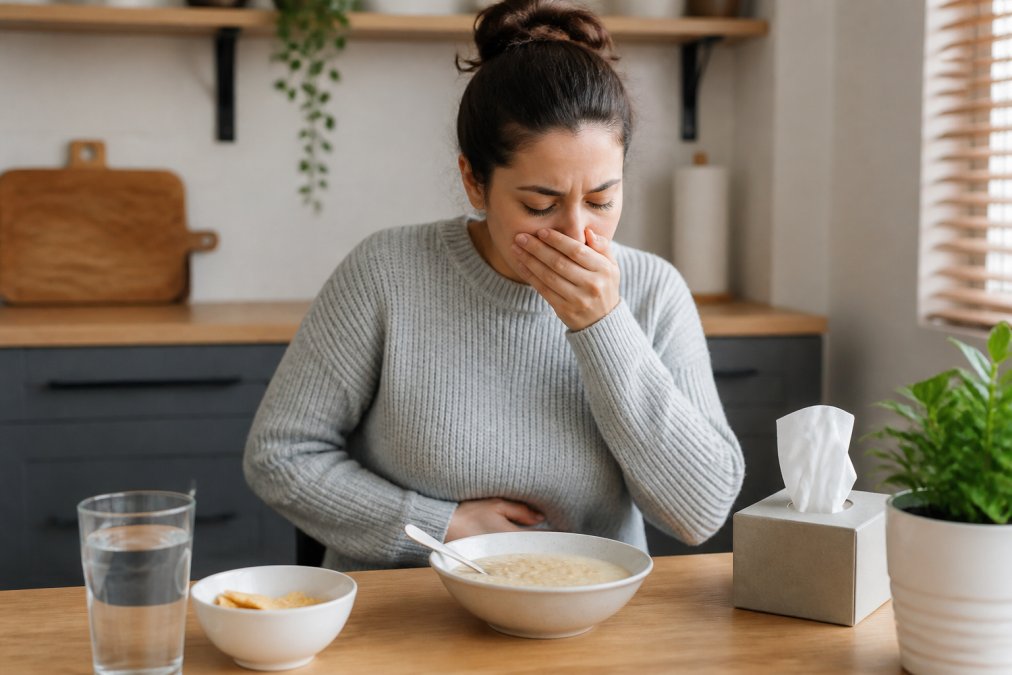
Nausea is one of the most common complaints during GLP-1 therapy, but it responds well to targeted strategies. Nausea often signals that the stomach is processing food too slowly or that portion sizes are too large for the body's current capacity.
Meal timing and portion control strategies
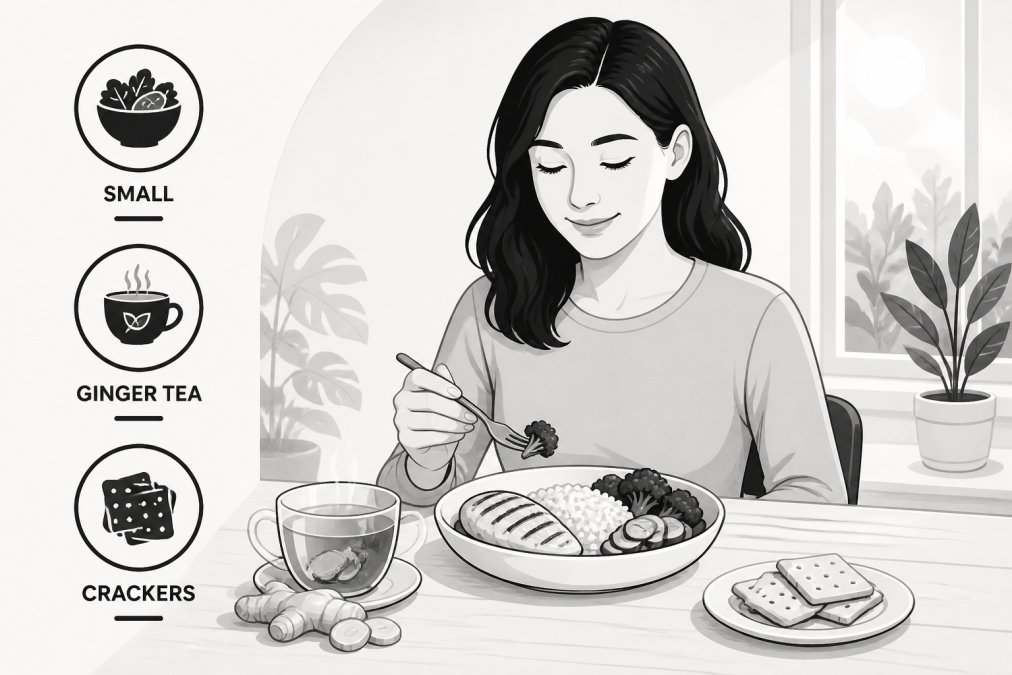
The most effective way to manage nausea is to eat smaller portions more frequently throughout the day. Instead of three standard meals, many patients find success eating five to six smaller meals spaced evenly, preventing the stomach from becoming overwhelmed while maintaining steady nutrition.
Meal timing matters significantly. Patients should allow at least 30 minutes after waking before eating and should eat in a calm, seated environment without distractions. Most patients need to reduce portions by 50-75% from their pre-medication intake. A useful guideline is the "palm method": protein portion should be about the size of the palm, vegetables should fill half the plate, and grains or starches should be minimal.
Hydration between meals, rather than during meals, prevents stomach distension. Patients should wait 30-45 minutes after finishing a meal before resuming fluid intake.
Foods and remedies that help reduce nausea
Ginger is one of the most evidence-supported natural remedies for nausea and works particularly well for patients on GLP-1 medication. Fresh ginger tea, ginger candies, or ginger supplements can provide relief within 15-30 minutes. Mint tea offers similar benefits and has a calming effect on the digestive system.
Bland, easily digestible foods should form the foundation of early meals. Crackers, toast, rice, and plain chicken are ideal choices. Cold foods often cause less nausea than hot foods. Smoothies made with protein powder, yogurt, and fruit can deliver nutrition in a form that's easier to tolerate.
Keeping a food diary for the first few weeks helps identify which foods consistently cause problems and which are well-tolerated.
Foods to Avoid on GLP-1 Medication
Certain foods dramatically worsen gastrointestinal distress when taking GLP-1 agonists. Understanding which foods to avoid prevents unnecessary nausea, vomiting, and abdominal pain.
High-fat and greasy foods
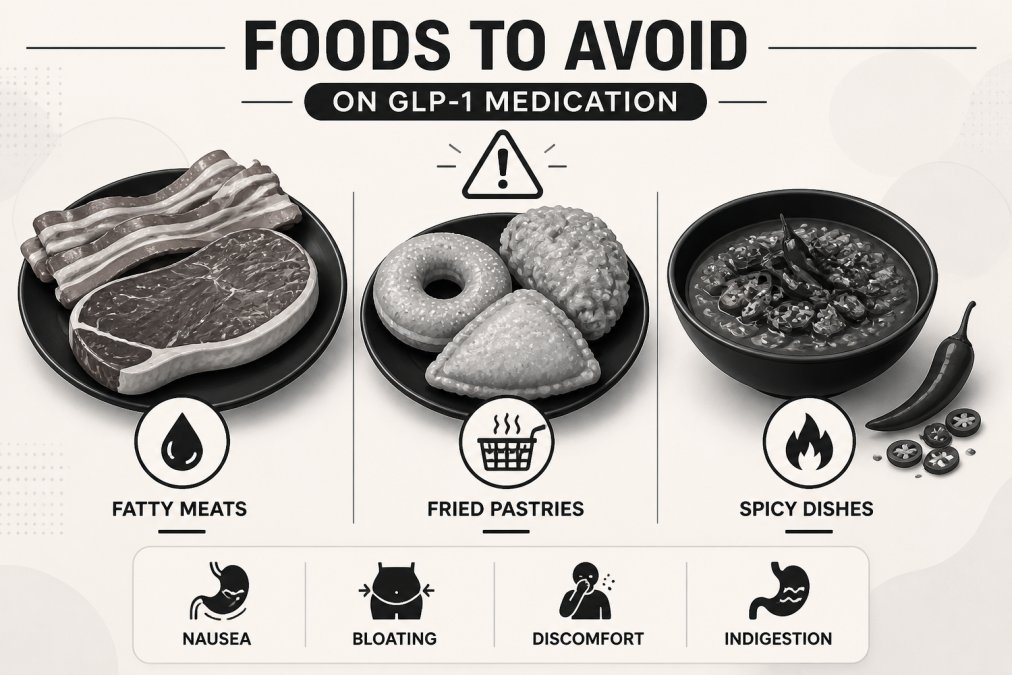
High-fat foods are the primary trigger for severe gastrointestinal distress on GLP-1 therapy. Fatty meats, fried foods, full-fat dairy, and oils slow gastric emptying even further than the medication already does. Patients should avoid fried chicken, fatty cuts of beef, butter-heavy sauces, and deep-fried snacks entirely during the first month of therapy.
Fast food is particularly problematic because it combines high fat content with large portions and often includes added sugars. Full-fat dairy products including cheese, cream, and ice cream should be eliminated or drastically reduced. Low-fat or fat-free alternatives are much better tolerated.
Cooking methods matter as much as food choice. Grilled, baked, steamed, and boiled foods are well-tolerated. Fried, deep-fried, and heavily buttered preparations should be avoided completely.
Spicy and acidic trigger foods
Spicy foods irritate the already-sensitive gastrointestinal lining and can trigger nausea, vomiting, and abdominal pain. Patients should avoid hot peppers, curry, chili, and heavily spiced cuisines during the early phases of GLP-1 therapy.
Acidic foods including citrus fruits, tomato-based products, and vinegar-heavy foods can cause significant discomfort. Tomato sauce, salsa, and lemon juice should be minimized. Carbonated beverages, including diet soda and sparkling water, should be avoided or minimized. Still water, herbal tea, and non-acidic juices are better choices.
Caffeine can increase nausea in some patients, particularly on an empty stomach. Coffee and strong tea should be consumed with food and in limited quantities during the first month of therapy.
Addressing Constipation and Diarrhea
GLP-1 medications can cause either constipation or diarrhea, sometimes alternating between the two as the body adjusts. Both conditions respond well to targeted dietary and lifestyle interventions.
Hydration and fiber supplementation
Adequate hydration is the foundation of managing both constipation and diarrhea on GLP-1 therapy. Patients should aim for at least 8-10 glasses of water daily, spread throughout the day. Dehydration is common because reduced appetite often means people forget to drink, yet adequate fluid intake is essential for proper bowel function.
Fiber intake should be increased gradually to avoid worsening bloating or gas. Starting with 10-15 grams of fiber daily and increasing by 5 grams every few days allows the digestive system to adapt. Soluble fiber from oats, beans, and certain fruits helps regulate bowel movements and is often better tolerated than insoluble fiber during the initial adaptation phase.
Book your consultation today →
Prunes and prune juice are natural, effective remedies for constipation that work well with GLP-1 therapy. A small glass of prune juice in the morning often produces results within a few hours.
Stool softeners and dietary fiber intake
Over-the-counter stool softeners containing docusate are safe to use with GLP-1 medications and can provide relief without the cramping that sometimes accompanies laxatives. Magnesium supplements of 200-400 mg daily can improve both constipation and overall energy levels, though patients should check with their healthcare provider about appropriate dosing.
High-water-content foods including watermelon, cucumber, lettuce, and celery provide hydration and fiber simultaneously. Resistant starch from cooled cooked potatoes, rice, and legumes provides prebiotic fiber that feeds beneficial gut bacteria, helping restore healthy gut flora that may be disrupted during the medication adjustment period.
How Long Do GLP-1 Side Effects Last
Most patients experience peak side effects during the first 2-4 weeks after starting GLP-1 medication or after a dosage increase. For approximately 60-70% of patients, nausea and gastrointestinal distress improve significantly within 4-6 weeks as the body adapts to the medication's effects.
Some patients experience lingering mild nausea or occasional constipation for 8-12 weeks before achieving complete resolution. A small percentage of patients (10-15%) experience persistent mild side effects even after several months of therapy. These patients typically find that the benefits of weight loss and metabolic improvement outweigh the minor inconvenience of occasional nausea or digestive changes. Working with a board-certified physician helps determine whether dosage adjustments or medication alternatives might provide better tolerability.
The psychological component of managing side effects shouldn't be underestimated. Patients who understand that side effects are temporary, expected, and manageable report better adherence and faster adaptation than those who view side effects as signs of medication failure.
When to Call a Doctor About GLP-1 Side Effects
While most GLP-1 side effects are manageable with dietary and lifestyle modifications, certain symptoms require immediate medical attention. Severe or persistent vomiting that prevents adequate nutrition or hydration is a red flag requiring professional evaluation.
Severe abdominal pain, particularly pain accompanied by fever or distension, warrants urgent medical assessment. These symptoms could indicate pancreatitis or other serious conditions. Signs of severe dehydration including extreme thirst, dizziness, dark urine, or decreased urination require prompt medical evaluation.
Persistent diarrhea lasting more than a few days, especially if accompanied by blood or severe cramping, needs professional assessment. Significant changes in heart rate, including persistent rapid heartbeat or unusual palpitations, should be reported to a healthcare provider.
Any allergic symptoms including rash, difficulty breathing, or facial swelling require immediate emergency care. Patients should contact their healthcare provider if side effects prevent them from maintaining adequate nutrition or hydration for more than a few days.
Lifestyle Modifications for Long-Term Symptom Relief
Beyond dietary changes, specific lifestyle modifications significantly reduce GLP-1 side effects and support long-term medication success. Stress management directly impacts gastrointestinal function and nausea severity. Patients who practice stress-reduction techniques including deep breathing, meditation, or gentle yoga report fewer and less severe side effects.
Physical activity, when introduced gradually, improves overall gastrointestinal function and reduces constipation. Starting with 10-15 minutes of gentle walking after meals can improve digestion and reduce bloating. Sleep quality affects both gastrointestinal function and appetite regulation. Patients should aim for 7-9 hours of consistent sleep nightly, maintaining regular sleep and wake times.
Eating in a calm, distraction-free environment significantly reduces nausea and improves digestion. Patients should avoid eating while working, watching screens, or in stressful situations. Regular monitoring of blood glucose and weight helps patients recognize the medication's effectiveness and reinforces positive behavioral changes.
Working with a medically supervised weight loss program provides accountability, education, and professional support throughout the GLP-1 therapy journey. At Ideal Weight Loss & Cosmetic Center, patients receive ongoing guidance on managing side effects, optimizing nutrition, and achieving sustainable weight loss results. Dr. Gina Nichols and the clinical team monitor each patient's response to medication and adjust protocols based on individual tolerance and progress.
Managing GLP-1 side effects successfully requires a combination of dietary modifications, hydration strategies, and lifestyle adjustments tailored to individual needs. The temporary nature of these side effects, typically resolving within 4-12 weeks, makes the initial adjustment period manageable when patients have proper support and education. At Ideal Weight Loss & Cosmetic Center, medically supervised GLP-1 therapy includes comprehensive guidance on managing side effects, ensuring patients achieve their weight loss goals while maintaining comfort and nutrition. Book your consultation today to learn how personalized medical supervision transforms your GLP-1 experience into a foundation for lasting health and confidence.
Frequently Asked Questions
What are the most common gastrointestinal side effects of GLP-1 medications?
The most frequent gastrointestinal side effects include nausea, vomiting, diarrhea, and constipation. These occur because GLP-1 agonists slow gastric emptying, the rate at which food moves from your stomach to your small intestine. Abdominal pain and reduced appetite are also common. Most people experience these effects during the initial phase of treatment or when the dosage increases, though severity varies. Working with your healthcare provider to manage these symptoms helps you stay on your treatment plan.
How long do GLP-1 side effects last?
Most GLP-1 side effects improve within 2-4 weeks as your body adjusts to the medication. Nausea and vomiting typically resolve first, while gastrointestinal distress may take longer. Some patients notice improvement after one week, while others need several weeks. If side effects persist beyond 4-6 weeks or worsen, contact your healthcare provider. Dosage adjustments or dietary modifications can help accelerate symptom relief during this adjustment period.
When should I contact my doctor about GLP-1 side effects?
Contact your healthcare provider immediately if you experience severe vomiting, signs of dehydration (extreme thirst, dark urine, dizziness), severe abdominal pain, or symptoms that prevent you from eating or drinking. Also reach out if side effects persist beyond 4-6 weeks, worsen despite dietary changes, or interfere significantly with your daily life. Your physician may adjust your dosage, recommend medication, or modify your treatment plan. Never stop taking GLP-1 medication without medical guidance.
What foods should I avoid on GLP-1 medication to reduce side effects?
Avoid high-fat and greasy foods, as they slow gastric emptying further and trigger nausea and abdominal discomfort. Limit spicy foods, citrus, caffeine, and alcohol, which can irritate your digestive system. Skip processed foods, excessive sugar, and large meals. Instead, eat smaller, frequent meals with lean proteins, whole grains, fruits, and vegetables. Ginger, mint, and plain crackers can help settle your stomach. Keeping a food diary helps identify your personal trigger foods, since individual responses vary.