 how-to
How to Balance Hormones Naturally: 7 Steps
Table of Contents
- Understand the Signs of Hormonal Imbalance
- Step 1: Eat Foods That Balance Hormones
- Step 2: Prioritize Sleep and Circadian Rhythm
- Step 3: Manage Stress and Cortisol Levels
- Step 4: Move Your Body Regularly
- Step 5: Support Gut Health and Microbiome Balance
- Step 6: Track Symptoms and Consider Hormone Testing
- Step 7: Consider Professional Support for Comprehensive Hormone Balancing
- GLP-1 and Metabolic Health: When to Seek Professional Support
- Frequently Asked Questions
Last Updated: September 1, 2026
Understand the Signs of Hormonal Imbalance
Hormonal imbalance develops gradually through persistent fatigue, unexplained weight gain, mood swings, and skin problems. Common indicators include irregular menstrual cycles, persistent bloating, brain fog, and stubborn midsection fat despite diet and exercise. Men may experience low energy, reduced muscle mass, or difficulty building strength. Both genders might notice sleep disruption, hair loss, or temperature regulation issues.
The slow progression is exactly why tracking becomes essential, without documentation, the pattern remains invisible. The endocrine system controls metabolism, mood, and energy through a complex network of glands and chemical messengers. When this system falls out of sync, it affects energy levels, body composition, reproductive health, and mental clarity.
At Ideal Weight Loss & Cosmetic Center, Dr. Gina Nichols and the team help patients distinguish between temporary fluctuations and genuine imbalance, then develop personalized strategies to restore equilibrium.
Step 1: Eat Foods That Balance Hormones
Food is the most direct lever for hormone regulation. Every meal either supports hormonal equilibrium or pushes the body further out of balance.
Protein and hormone regulation
Protein is non-negotiable for hormone balance. Every hormone contains amino acids, and the body cannot synthesize all nine essential amino acids, they must come from food (the NIH). Without adequate protein, the endocrine system lacks the raw materials to produce and regulate hormones effectively.
Protein also stabilizes blood sugar, which directly impacts insulin sensitivity and cortisol levels. When blood sugar spikes and crashes, the body releases cortisol to compensate, creating a stress response cycle even without an actual stressor. Consistent protein intake prevents these swings, keeping glucose absorption steady.
Aim for 25-35 grams of protein per meal from eggs, fish, poultry, Greek yogurt, legumes, and grass-fed beef.
Cruciferous vegetables and estrogen metabolism
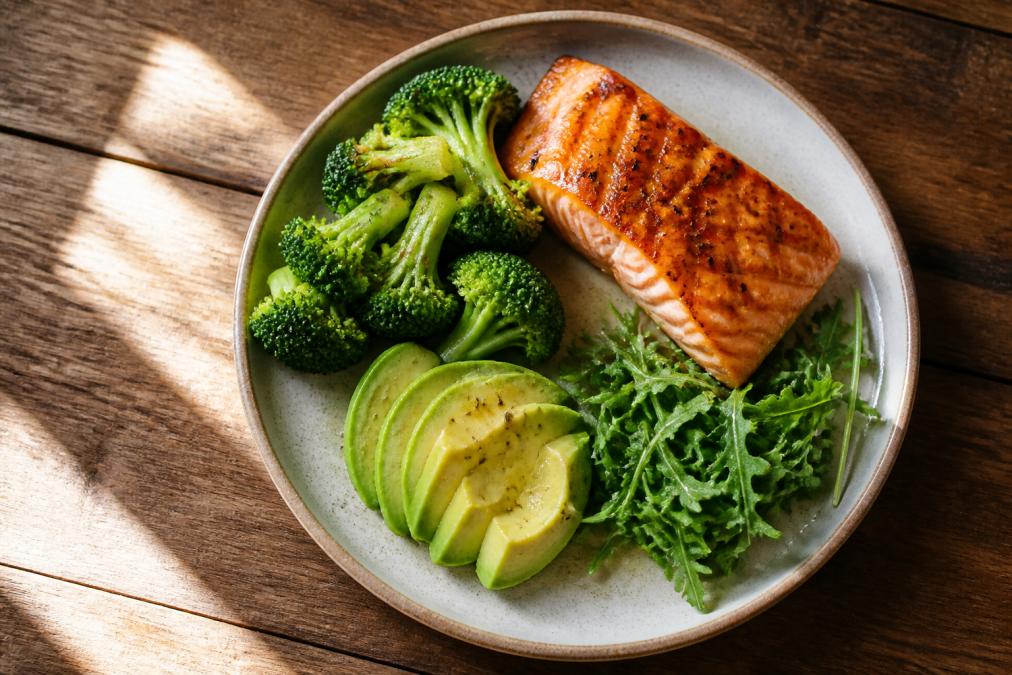
Cruciferous vegetables, broccoli, Brussels sprouts, cabbage, cauliflower, kale, contain glucosinolates that support estrogen metabolism. The liver processes estrogen for elimination, and these vegetables provide the nutrients that help this process work efficiently. When estrogen metabolism stalls, the body reabsorbs estrogen, leading to estrogen dominance and bloating, weight gain, and mood disturbances.
These foods provide phytoestrogens and fiber that support the gut microbiome's role in estrogen regulation. A healthy gut microbiome, called the estrobolome, directly influences how the body manages estrogen levels. Include at least one serving of cruciferous vegetables daily, steamed or lightly cooked to maximize bioavailability.
Healthy fats for endocrine support
The endocrine system runs on fat. Hormones are either steroid-based (made from cholesterol) or protein-based, and both require adequate dietary fat for optimal production. Low-fat diets consistently correlate with hormonal dysfunction, particularly disrupted progesterone and estrogen balance.
Omega-3 fatty acids reduce inflammation throughout the body, including in endocrine glands, and support thyroid function. Fatty fish, walnuts, flax seeds, and grass-fed animal products provide these critical nutrients. Include avocados, olive oil, coconut oil, nuts, and fatty fish in regular meals, the goal is nutrient density, not calorie counting.
Step 2: Prioritize Sleep and Circadian Rhythm
Sleep deprivation is one of the fastest ways to disrupt the endocrine system. During sleep, the body performs critical hormonal rebalancing, consolidates memories, repairs tissues, and recalibrates cortisol, melatonin, and growth hormone levels.
The circadian rhythm, the body's internal 24-hour clock, governs hormone release timing. Cortisol should peak in the early morning, supporting wakefulness. Melatonin should rise in the evening, signaling the body to wind down. When the circadian rhythm gets disrupted through irregular sleep schedules or artificial light exposure, hormones release at the wrong times, creating metabolic dysfunction.
Consistent sleep and wake times matter more than total hours, though most adults need 7-9 hours. Going to bed and waking at the same time each day, even on weekends, trains the body to anticipate these transitions and prepare hormonally.
The bedroom should be cool (around 65-68°F), completely dark, and free from electronic devices (the CDC). Artificial light suppresses melatonin production, which cascades into poor sleep and elevated cortisol. Stop screen use 30-60 minutes before bed to allow melatonin to rise naturally.
Magnesium supports both sleep quality and cortisol regulation. Leafy greens, pumpkin seeds, and almonds provide dietary magnesium, though many people benefit from supplementation.
Step 3: Manage Stress and Cortisol Levels
Chronic stress is the hidden hormone disruptor. When stress becomes constant, cortisol levels remain elevated, suppressing other hormones and triggering metabolic problems. Elevated cortisol increases appetite, promotes fat storage around the midsection, impairs thyroid function, and disrupts estrogen and progesterone balance.
Stress management strategies that work require consistency, not intensity. A 10-minute daily practice beats a weekend retreat. Meditation, breathwork, time in nature, and gentle movement all activate the parasympathetic nervous system.
Breathing techniques provide immediate nervous system regulation. Box breathing, inhaling for 4 counts, holding for 4, exhaling for 4, holding for 4, shifts the body into parasympathetic mode within minutes, lowering cortisol and heart rate measurably (peer-reviewed research).

Work boundaries matter. Emails and notifications trigger stress responses that prevent hormonal recovery. Setting clear work hours and protecting evening time for rest is essential hormone management.
Social connection is a cortisol regulator. Time with trusted friends and family activates the parasympathetic nervous system and reduces cortisol. Isolation keeps cortisol chronically elevated.
Step 4: Move Your Body Regularly
Exercise is a hormone regulator, but type and intensity matter significantly. Constant high-intensity training without adequate recovery actually elevates cortisol chronically, creating the opposite of the desired effect.
Combine different movement types: strength training builds muscle and improves insulin sensitivity; walking and low-intensity movement activate the parasympathetic nervous system; high-intensity interval training, done 1-2 times weekly, provides metabolic benefits without excessive cortisol dysregulation. reverse insulin resistance.
Strength training 2-3 times weekly directly supports hormone balance by improving insulin sensitivity and reducing inflammation. Muscle tissue is metabolically active and improves glucose absorption independent of insulin signaling.
Walking is underrated. A 30-minute daily walk supports weight management, reduces cortisol, improves gut health, and provides low-stress cardiovascular benefit.
Book your consultation today →
Recovery between workouts is when hormones actually rebalance. Without adequate rest days, the body remains stressed and cortisol stays elevated, preventing the intended hormonal benefits of exercise.
Step 5: Support Gut Health and Microbiome Balance
The gut microbiome influences hormone metabolism in ways only recently being fully understood. The collection of bacteria in the digestive tract directly affects how the body processes and recycles hormones, particularly estrogen. A healthy microbiome supports the estrobolome, the subset of microbiota that manages estrogen metabolism.
Dietary fiber feeds beneficial bacteria and supports the production of short-chain fatty acids that reduce inflammation throughout the body, including in endocrine glands. Whole grains, legumes, vegetables, and fruits provide the fiber that sustains a healthy microbiome.
Fermented foods, sauerkraut, kimchi, kefir, yogurt with live cultures, miso, introduce beneficial bacteria directly. Include one serving of fermented food daily alongside adequate fiber intake.
The gut barrier, when compromised, affects hormone metabolism. When the intestinal lining becomes permeable, bacterial lipopolysaccharides cross into the bloodstream, triggering inflammation that suppresses hormone production and increases cortisol. Healing the gut barrier requires removing inflammatory foods like processed seed oils, refined carbohydrates, and excessive alcohol, then adding nutrient-dense whole foods.
Step 6: Track Symptoms and Consider Hormone Testing
Without tracking, patterns remain invisible. Hormonal imbalance develops gradually, and people adapt to dysfunction until they realize they're operating far below normal capacity.
A simple tracking system captures energy levels, sleep quality, mood, menstrual cycle information, and digestion on a daily basis using a 1-10 scale. Over 4-8 weeks, patterns emerge, certain foods correlate with energy dips, specific stress triggers precede mood changes, or sleep disruption follows caffeine after 2 PM.
This data is invaluable when working with healthcare providers. Documented patterns point toward specific hormonal issues. A person might discover energy crashes 5-7 days after ovulation, suggesting progesterone insufficiency, or notice bloating that peaks mid-cycle, pointing toward estrogen dominance.
Hormone testing provides objective data that complements symptom tracking. Testing can measure cortisol levels at different times of day, thyroid function, estrogen and progesterone balance, and insulin levels. Testing is most useful when informed by documented symptoms and patterns.
The timing of hormone testing matters. For menstruating individuals, testing should occur at specific points in the cycle. Cortisol testing typically requires multiple samples throughout the day. Working with a qualified healthcare provider ensures testing is done correctly and results are interpreted properly.
Step 7: Consider Professional Support for Comprehensive Hormone Balancing
At a certain point, natural strategies reach their limits. Some hormonal imbalances require professional intervention, not because natural approaches have failed, but because the imbalance has progressed beyond what diet, sleep, stress management, and exercise alone can address.
A board-certified physician can order appropriate testing, interpret results in the context of individual symptoms and history, and recommend whether additional interventions are warranted. For some people, this means short-term supplementation to support the body's own production. For others, it means addressing an underlying thyroid condition or other metabolic issue driving the imbalance.
Ideal Weight Loss & Cosmetic Center specializes in this integration, combining natural strategies with medically supervised interventions when needed. Dr. Gina Nichols brings over two decades of experience in hormone optimization and metabolic health. The clinic's approach starts with comprehensive assessment, moves through natural strategies, and incorporates medical interventions only when necessary and appropriate.
For individuals struggling with weight that doesn't respond to standard diet and exercise approaches, hormonal dysfunction is often the overlooked factor. The clinic offers hormone optimization as part of a broader metabolic health program.
GLP-1 and Metabolic Health: When to Seek Professional Support
GLP-1 medications have become relevant to the hormone balance conversation because they directly affect insulin sensitivity and metabolic health. These medications work by improving how the body processes glucose and regulates appetite, both fundamentally hormonal processes.
For individuals whose hormonal imbalance includes insulin resistance, GLP-1 medications can be transformative. They're not a replacement for natural strategies, they work alongside them. Someone taking a GLP-1 medication still needs to prioritize sleep, manage stress, move their body, and eat nutrient-dense foods.
The decision to use GLP-1 medications should always involve professional consultation. A healthcare provider can assess whether insulin resistance is present and how to integrate medication with natural approaches for maximum benefit.
Ideal Weight Loss & Cosmetic Center offers medically supervised GLP-1 therapy as part of comprehensive weight management and metabolic health programs. The clinic ensures patients receive ongoing monitoring, support with natural strategies, and integration with other aspects of health optimization, including hormone balancing.
Hormonal health is foundational to everything else. When hormones are balanced, weight management becomes easier, energy returns, mood stabilizes, and the body functions as designed. The seven-step framework above provides a clear path forward, but implementation requires patience and consistency. Results emerge over weeks and months as the body's systems gradually rebalance.
For individuals in the Columbus, Reynoldsburg, and Pickerington area who've tried natural approaches without adequate results, or who suspect their hormonal imbalance requires professional assessment, Ideal Weight Loss & Cosmetic Center offers personalized evaluation and treatment. Dr. Gina Nichols and the team integrate natural strategies with medically supervised interventions, hormone optimization, and metabolic support to address the root causes of hormonal dysfunction. Book a consultation to discuss your specific situation and develop a personalized plan for lasting hormonal balance and metabolic health.
Frequently Asked Questions
Q: What are the most common signs of hormonal imbalance?
A: Signs of hormonal imbalance include persistent fatigue, unexplained weight gain, mood swings, irregular sleep patterns, brain fog, and changes in appetite. Women may experience irregular periods or severe PMS symptoms, while men might notice reduced energy or changes in muscle mass. If you experience multiple symptoms over several weeks, tracking them and consulting a healthcare provider helps determine whether hormone testing is appropriate for your situation.
Q: Which foods balance hormones most effectively?
A: Foods that balance hormones include fatty fish rich in omega-3 fatty acids, cruciferous vegetables like broccoli and Brussels sprouts, lean proteins, nuts and seeds, and whole grains. These support insulin sensitivity, reduce inflammation, and provide nutrients your endocrine system needs. Aim to include protein at each meal, add colorful vegetables, and limit processed foods and added sugars, which can disrupt blood sugar balance and hormone regulation.
Q: How does GLP-1 medication fit into natural hormone balancing?
A: GLP-1 medications support metabolic health by improving insulin sensitivity and blood sugar balance, which are foundational to overall hormone regulation. While medication addresses specific metabolic dysfunction, it works best alongside lifestyle changes like nutrition, exercise, and stress management. A medically supervised approach ensures you're addressing root causes rather than relying solely on medication, helping you achieve sustainable results and better long-term metabolic health.
Q: How long does it take to see results from balancing hormones naturally?
A: Most people notice improvements in energy, sleep quality, and mood within 2 to 4 weeks of consistent lifestyle changes. More significant changes in metabolism, weight, and hormone markers typically appear over 8 to 12 weeks. Results vary based on your starting point, how strictly you follow recommendations, and whether underlying conditions require medical intervention. Tracking symptoms and working with a healthcare provider helps you measure progress and adjust your approach as needed.